
Trees
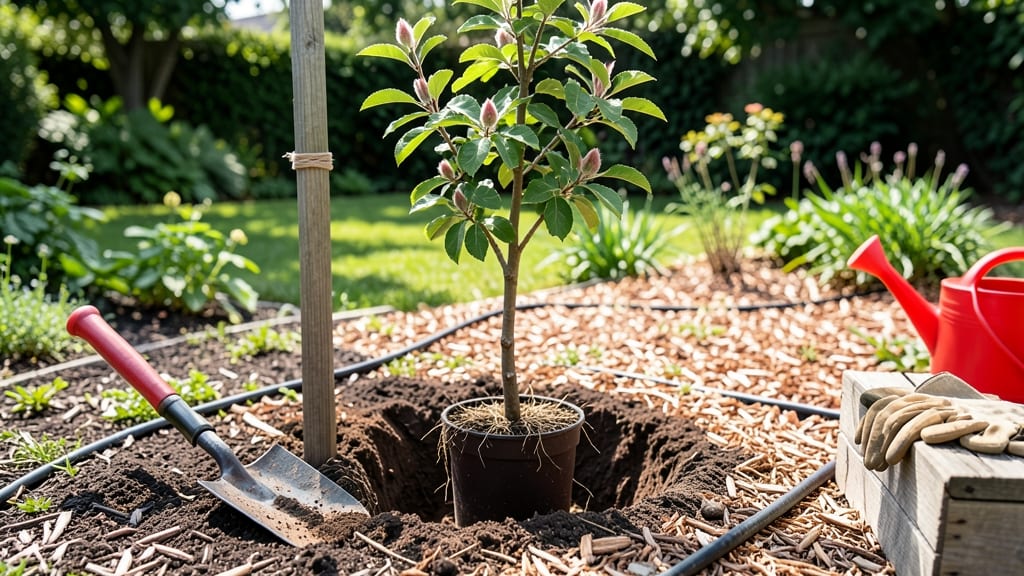
Planting fruit trees at the wrong time in California can turn your dream orchard into a frustrating wait—especially when coastal fog delays spring or inland heat arrives early. The difference between thriving roots and struggling saplings often comes down to knowing your microclimate’s unique rhythm.
I’ve watched fruit trees in USDA Zones 7–11 struggle when planted outside their ideal window, whether it’s citrus wilting in summer heat or stone fruits freezing in unexpected coastal chills. But here’s the good news: timing is more predictable than you think once you account for your specific region’s quirks.
In this guide, I’ll break down the exact months to plant based on where you live—whether you’re in frost-prone Northern California or the year-round warmth of Southern deserts. You’ll also learn how to prep soil, space trees correctly, and avoid the costly mistakes that trip up even experienced gardeners.
Ready to set your fruit trees up for success? Let’s dive into the science-backed planting calendar that’ll have your orchard flourishing in no time.
California’s 5 best fruit tree planting months by microclimate zone
California’s diverse climate—from coastal fog to inland deserts—means one planting month doesn’t fit all. The best time to plant fruit trees depends on your USDA zone (7–11) and whether you’re growing citrus, stone fruits, or nuts.
In Northern California (Zones 7–9), dormant-season planting in late winter (February–March) lets roots establish before summer heat. Meanwhile, Southern California (Zones 9–11) gardeners can plant year-round, but November–January avoids extreme heat stress.
Coastal areas like San Francisco benefit from October–November planting, when fog reduces evaporation and soil stays moist. Inland regions (e.g., Central Valley) thrive with February–March plantings, aligning with natural rainfall patterns. Desert zones (Zone 10+) prefer November–December to escape summer’s 110°F+ soil temperatures, which can scorch young roots.
Here’s how microclimates shift ideal planting windows by 2–4 months across California:
| Zone & Region | Best Planting Months | Key Climate Factor | Avoid Planting When |
|---|---|---|---|
| Northern CA (Zones 7–9) | February–March | Cool soil, spring rains | June–August (drought) |
| Coastal CA (Zones 8–10) | October–November | Foggy, mild winters | July–September (heat stress) |
| Central Valley (Zones 9–10) | February–March | Irrigation timing | April–May (bloom stress) |
| Southern CA (Zones 10–11) | November–January | Cool desert nights | June–August (100°F+ soil) |
| Urban LA/SD (Zone 10) | January–February | Mild urban microclimate | July–September (Santa Ana winds) |
For citrus trees, November–March is critical—they hate frost and need 60–70°F soil to root. Stone fruits (peaches, plums) thrive when planted dormant (February–March), while nut trees (almonds, walnuts) prefer late winter (January–February) to align with natural rainfall. Bare-root trees should always plant before buds swell; container-grown trees offer flexibility year-round but need adequate irrigation.
Pro tip: Check your local frost dates (e.g., Sacramento: Nov 15–March 15, LA: Dec 1–Feb 15). Planting 4–6 weeks before last frost gives roots time to establish before active growth begins. Use a soil thermometer—ideal planting soil temps are 60–70°F for most fruit trees.
Mistake alert: Planting too early (winter) in Zone 7–8 risks frost damage to new roots, while summer planting (June–August) causes heat stress and water loss. Adjust for elevation: Mountainous areas (e.g., Sierra foothills) may need 2–4 weeks earlier than valley floors.
Once you’ve picked your planting window, focus on soil prep: Amend clay soil with compost, ensure well-draining conditions, and add mycorrhizal fungi to boost root health. Mulch heavily (3–4 inches) to retain moisture and regulate soil temperature—critical in drought-prone regions.
🌱
How to choose planting months based on tree type and soil conditions
California’s diverse climate means citrus trees thrive in Southern coastal zones while stone fruits like peaches need Northern inland chill hours. Your tree type and soil temperature determine the best window—planting at the wrong time can stunt root growth for years.
Let’s break down the science-backed months for each category.
For citrus trees (lemons, oranges, grapefruit), aim for November through March in Southern California. These trees hate frost and need warm soil (60°F+) to establish roots. In coastal areas, wait until December to avoid Santa Ana wind stress on young plants.
Stone fruits (peaches, plums, cherries) demand chill hours and prefer late winter to early spring (February–March) in Northern California. Soil should be 50–60°F—too warm, and roots rot; too cold, and they dormant-stress. In Central Valley, extend planting to April for heat-tolerant varieties like nectarines.
Nut trees (almonds, walnuts, pecans) are the most frost-sensitive at planting. Schedule them for November–January in Southern California or February–March in Northern zones. Soil temps should be 55–65°F—use a soil thermometer to confirm. Avoid summer planting; heat stress kills young roots within weeks.
- 1. Citrus: Nov–Mar (Southern CA), soil ≥60°F, avoid Santa Ana winds
- 2. Stone Fruits: Feb–Apr (Northern CA), 50–60°F soil, chill hours critical
- 3. Nut Trees: Nov–Jan (South), Feb–Mar (North), 55–65°F soil
- 4. Avoid: Summer planting (heat stress), frost-prone months (Dec–Jan in North)
- Pro Tip: Test soil moisture before planting—dry soil = delayed root growth
Urban gardeners face extra challenges: container planting extends the window by 1–2 months (containers warm faster). For in-ground sites, amend soil with compost to improve drainage—clay soils in Sacramento or sandy soils in San Diego both need adjustments.
Always water deeply after planting to eliminate air pockets in the root zone.
Skip planting if forecasts show rain—waterlogged soil suffocates roots. Use mulch (straw or wood chips) to retain moisture and regulate soil temp. In desert regions (like Palm Springs), plant shade trees first to protect citrus from intense afternoon sun.