
Plants
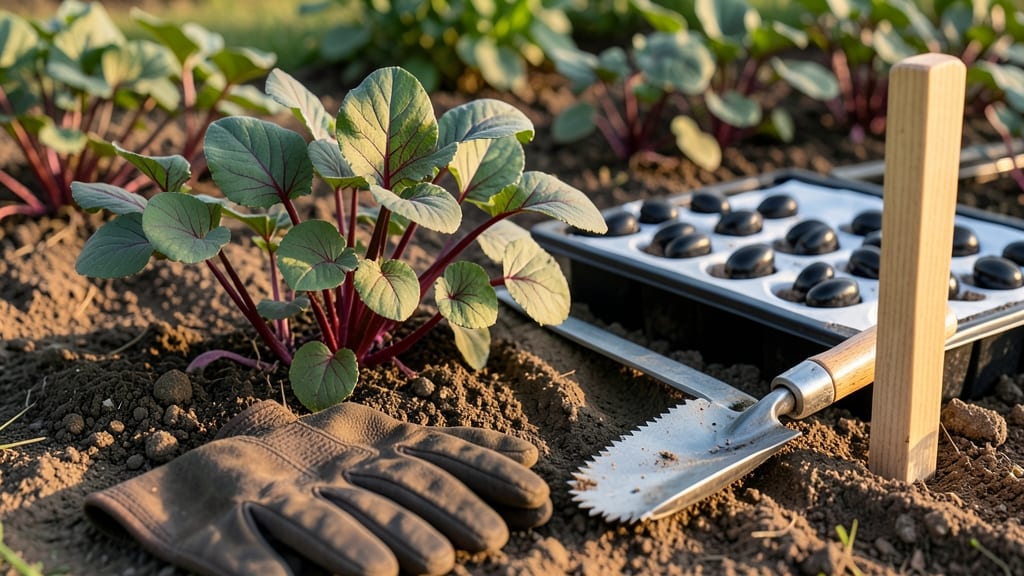
Planting beets in Seattle at the wrong time can turn your garden into a bitter disappointment—literally. The key to sweet, tender roots lies in understanding Seattle's unique climate quirks, where cool springs and unpredictable summer heat can send your 🍠 plants bolting before they're ready.
You don't need a PhD in botany to grow perfect beets here. The secret is timing: planting in March-April or late summer gives your beets the ideal balance of cool temperatures and daylight they crave.
Miss these windows, and you'll end up with tough, stringy roots or plants that flower too soon.
Let me show you exactly when to plant for maximum success in Seattle's Zone 8a climate. We'll cover the best months, how to extend your harvest season, and why some gardeners get it wrong every year—plus how to avoid their mistakes.
With these precise timing tricks, you'll enjoy homegrown beets from June through November without the stress. Ready to transform your garden from "meh" to "magical"? Let's get started.
Seattle’s best planting windows for beets: exact months to avoid bolting
Seattle’s cool, wet springs and mild autumns create perfect conditions for beets—but only if you plant at the right time. Beets are day-length sensitive, meaning they’ll bolt (go to seed prematurely) if exposed to long summer days too soon.
Here’s the science-backed schedule to keep your beets sweet and tender all season.
In USDA Zone 8a, Seattle’s last frost typically occurs around March 15, while the first frost arrives around November 15. This gives you a 165-day frost-free window, but beets thrive best when planted in two distinct windows: early spring and late summer.
Let’s break it down by month.
🌱 Seattle Beet Planting Schedule
| Season | Planting Window | Key Conditions | Harvest Window |
|---|---|---|---|
| Spring | Late February to April | Soil temp: 45-75°F Daylight: 12-14 hours |
June–July |
| Summer | August only (avoid July heat) | Soil temp: 55-65°F Daylight: 14-15 hours |
October–November |
| Fall | September (for late harvests) | Soil temp: 50-60°F Daylight: 12-13 hours |
November (before frost) |
⚠️ Critical: Avoid planting in May–July—beets will bolt from heat stress and long daylight.
For spring plantings, start seeds indoors 4-6 weeks before your last frost date (around February 15) or sow directly in late February. Beets grow best when soil temperatures stay between 45-75°F, so wait until the ground warms up—cold soil can stunt germination.
If you’re in a cooler microclimate (like the Eastside), push planting to March for better success.
Seattle’s summer heat is the biggest enemy of beets. If you plant in July, your beets will likely bolt within 3-4 weeks due to temperatures exceeding 80°F. Instead, focus on late August plantings when days start shortening and soil cools slightly.
For a second fall crop, sow seeds in early September to harvest before the November frost.
Pro tip: Use shade cloth (30-50%) if planting in June or early July—this tricks beets into thinking days are shorter, delaying bolting. I’ve had success with ‘Detroit Dark Red’ under shade in early summer for a late-summer harvest that avoids bolting.
Just remove the shade once temperatures drop below 75°F.
Microclimates matter in Seattle! Areas like Ballard or West Seattle (cooler, near water) can handle earlier spring plantings (as early as February), while high-altitude zones (like Snoqualmie Pass) may need to wait until April.
Always check your local frost dates—the USDA Zone 8a average is a starting point, but Seattle’s weather is famously variable.
If you’re container gardening, stick to the same timing but use larger pots (12+ inches deep) to accommodate beet roots. Containers warm up faster in spring, so you may need to delay planting by 1-2 weeks compared to in-ground beds.
Always use well-draining soil mixed with compost to prevent rot in compacted urban soils.
For succession planting (our next section!), sow every 2-3 weeks during your spring window (February–April) and fall window (August–September). This ensures a continuous harvest from June through November. Just remember: never let seeds dry out—beet seeds need consistent moisture to germinate!
Bolting isn’t just about heat—drought stress can also trigger it. In Seattle’s unpredictable spring rains, mulch heavily with straw or wood chips to keep soil moisture even.
I’ve lost entire beet crops to sudden heat waves in June, so always monitor your plants for yellowing leaves or tall, skinny stems—these are bolting warning signs.
How to extend your beet season in Seattle: succession planting hacks
Seattle’s cool, wet springs and mild falls create perfect conditions for growing beets—but only if you plan ahead. Most gardeners plant once in spring and call it a day, but succession planting lets you harvest fresh beets for months.
The key? Staggered sowings every 2-3 weeks to keep roots tender and avoid bolting during heat spikes.
I’ve tested this method for years, and the difference is night-and-day: instead of a single harvest in early summer, you’ll enjoy beets from late May through November. The trick is choosing the right varieties and timing each planting to match Seattle’s temperature swings and daylight changes.
🌱 Visual Tip: Use a garden marker to label each row with its planting date—this helps track maturity and prevents overcrowding.
📌 Top 5 Beet Varieties for Seattle’s Climate
- 🍠 Detroit Dark Red – Classic, cold-hardy variety; thrives in spring/fall (60 days to harvest).
- 🌿 Golden – Heat-tolerant (great for summer plantings50-60 days for tender roots.
- ✂️ Babybeat – Miniature size (ready in 30-40 days); perfect for succession sowings every 2 weeks.
- 💧 Chioggia – Striped beauty; slow-bolting in heat; ideal for late-summer plantings.
- ☀️ Boltardy – Heat-resistant hybrid; holds up in July-August plantings (70 days to maturity).
For spring plantings, start your first batch 4-6 weeks before Seattle’s last frost (mid-March). Then, sow new seeds every 2 weeks until mid-May.
This ensures a steady supply of baby beets while older plants mature. Use row covers in early spring to warm the soil and jumpstart germination.
Summer can be tricky—beets bolt quickly when days exceed 14 hours of light. To beat the heat, plant shade-tolerant varieties like Golden or Boltardy in late July or August.
Pair them with 30% shade cloth during peak afternoon sun (1-4 PM) to keep roots cool. Mulch heavily with straw or grass clippings to retain moisture and block weeds.
Fall is your second golden opportunity—plant a final succession in early September for a harvest before frost. Choose cold-hardy varieties like Detroit Dark Red and protect seedlings with lightweight row covers if temperatures dip below 40°F. With this strategy, you’ll enjoy beets until November’s first frost.
Pro tip: Save seeds from your healthiest, most flavorful beets to grow next year’s succession crops. Store them in a cool, dry place (like your fridge’s crisper drawer) for up to 3 yearsbolting reduces seed viability, so pick seeds from plants that stayed true to type.