Plants
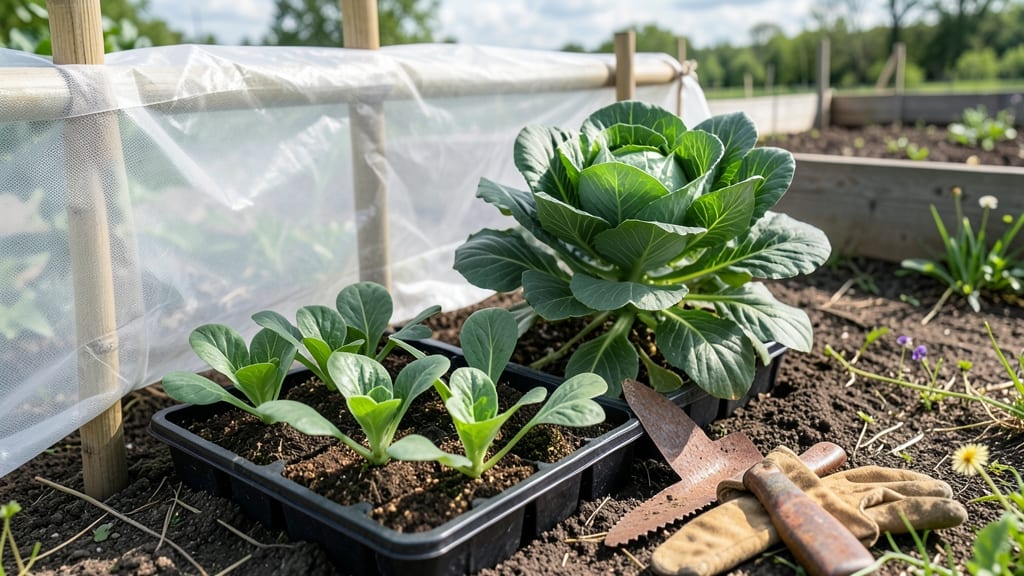
Timing your 🥬 cabbage planting in Arkansas can make the difference between a bumper crop and a bitter disappointment. With frost dates shifting across USDA Zones 7a-8b, knowing exactly when to plant—whether in early spring or late summer—is the key to crisp, flavorful heads.
Miss the window, and you risk frost damage or heat stress, both of which turn your hard work into a sad, wilted mess. But get it right, and you’ll enjoy fresh cabbage from late spring through fall, with minimal fuss.
I’ll walk you through the exact frost-free deadlines by county, so you can plan with confidence.
Whether you’re a first-time gardener or a seasoned green thumb, Arkansas’ unique climate demands a little extra strategy. From soil prep to variety selection, I’ll cover everything you need to know to grow cabbage that’s sweet, sturdy, and ready to harvest at peak flavor.
Let’s dive into the best planting months, soil tips, and even how to adjust for Arkansas’ humidity and pests. Your garden’s about to get a whole lot easier—and a whole lot more productive.
Arkansas cabbage planting deadlines by heat Zone and County
Cabbage thrives in Arkansas’ USDA Zones 6-8, but timing varies dramatically between northern counties (Zone 6) and southern regions (Zone 8). The key is planting 6-8 weeks before your last frost date—whether that’s early March in Benton County or late February in Chicot County.
Miss this window, and you risk frost damage or bolting from summer heat.
For a spring harvest, aim to transplant seedlings by mid-March in Zone 6 and late February in Zone 8. Fall plantings should start July 1-August 15 to avoid first frost in November. Arkansas’ humidity and heat also demand shade cloth for summer crops to prevent bitter flavors.
Northern Arkansas gardeners in Zone 6 should prioritize cold-hardy varieties like ‘Wisconsin Winter’ for spring plantings. These can tolerate light frosts (28°F) and still produce tight heads. In contrast, Zone 8 counties like Chicot can start indoor seeds in January for an early April harvest.
For extended-season cabbage, use shade cloth (30-50%) during July-August to protect plants from 90°F+ temperatures. This trick works especially well in hotter southern counties like Lee or St. Francis, where bolting is a common issue. Always check soil temperatures—cabbage roots struggle below 50°F.
Pro tip: Succession plant every 2-3 weeks from March through August to ensure a continuous harvest. This method works for both spring and fall crops, maximizing your garden’s potential. Pair cabbage with rad
Arkansas cabbage planting deadlines by heat Zone and County
Arkansas spans USDA Hardiness Zones 6a-8b, meaning your cabbage planting window varies by county. Northern regions like Benton or Washington (Zone 7a) have shorter growing seasons, while southern areas like Chicot or Miller (Zone 8b) enjoy extended harvests.
The key is planting 6-8 weeks before your last frost date—typically mid-March to early April for spring crops and late July to early August for fall harvests.
Mississippi County’s last frost averages March 15, while Ouachita County’s runs until April 5. For fall crops, aim to finish heads before first frost (Nov 1-15)**—earlier in the north, later in the south. Heat-tolerant varieties like ‘Golden Acre’ can stretch harvests into October with proper timing.
| County/Zone | Last Frost | Spring Plant | Fall Plant | Harvest Window |
|---|---|---|---|---|
| Benton (7a) | March 20 | Feb 25-Mar 10 | Jul 20-Aug 5 | May 15-Jun 15 |
| Pulaski (7b) | March 15 | Feb 20-Mar 5 | Jul 15-Aug 1 | May 1-Jun 10 |
| Chicot (8a) | March 5 | Feb 15-Mar 1 | Jul 1-Aug 15 | Apr 20-Jun 20 |
| Miller (8b) | Feb 28 | Feb 10-Mar 15 | Jun 20-Aug 10 | Apr 15-Jul 5 |
For extended-season cabbage, use row covers or cold frames to push harvests. In Zone 8b, you can even plant ‘Wisconsin Winter’ in late August for a winter harvest (with protection). Always check local frost dates via the University of Arkansas Extension for precision.
Pro tip: Soil temperature matters more than air temperature. Wait until soil reaches 50°F—use a soil thermometer to confirm. In clay-heavy soils (common in the Delta), amend with compost to improve drainage and warm up faster.
Miss timing by even 10 days, and you risk bolting (premature flowering) or pest pressure. For example, cabbage worms surge in June-July, so align your fall plantings to harvest before they peak.
Remember: Arkansas’ humidity (avg. 75%+) means evening watering is critical to prevent fungal diseases like downy mildew. Pair your planting schedule with mulching to retain moisture and cool roots.