
Plants
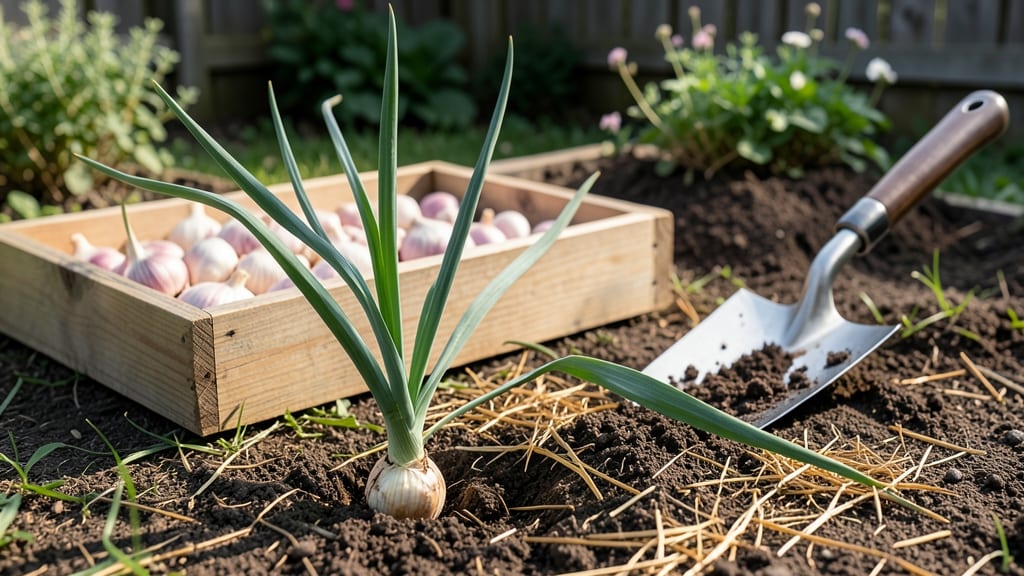
Timing your 🧄 garlic planting in Tennessee isn't just about the calendar—it's about outsmarting the state's unpredictable climate shifts between USDA Zones 7a and 8a. Plant too early, and your cloves might sprout before winter; too late, and you risk weak bulbs next summer.
The sweet spot for Tennessee gardeners? A narrow window between October and November when soil temps drop to 40-50°F—but getting it right takes more than guessing.
Here's the secret: Tennessee's fall planting window isn't one-size-fits-all. Nashville's cooler Zone 7a demands earlier action than Memphis' milder Zone 8a, and missing the 4-6 week pre-first-frost rule for hardnecks can mean the difference between plump bulbs and disappointing harvests.
I'll show you exactly how to read your local microclimate and adjust timing—plus the 3 critical signs your planting window is perfect (and what to avoid at all costs).
Most gardeners in Tennessee make one of these mistakes: planting too deep, ignoring soil prep, or missing the frost window entirely. But when you nail the timing, you're not just growing garlic—you're setting up a year-round supply of flavor-packed bulbs that'll make your kitchen the envy of the neighborhood.
Let's get those cloves in the ground the right way.
Ready to transform your fall gardening from hit-or-miss to consistently bountiful? I'll walk you through the exact steps Tennessee gardeners use to maximize their garlic harvest—from soil temperature checks to variety selection—and why this one season makes all the difference in your garden's success.
Optimal planting dates for Tennessee garlic by variety (hardneck vs softneck)
Tennessee gardeners know timing is everything—especially when planting garlic. For USDA Zones 7a-8a, the ideal window falls between early October and mid-November, aligning with soil temperatures between 40-50°F.
This timing ensures bulbs establish roots before winter dormancy but avoid early freezes that can stunt growth. Hardneck varieties (like Music or Chesnok Red) thrive best in this window, while softnecks (like Silverskin) offer a slightly wider margin.
Why fall? Garlic planted in autumn benefits from cold stratification, a natural process where chilly temperatures break dormancy and encourage robust root development. By the time spring arrives, your cloves will have a 6-8 inch root system ready to burst into growth.
Missing this window? You can try early spring planting (February), but yields may suffer without the same cold exposure.
Here’s the golden rule for Tennessee: Plant 4-6 weeks before the first hard frost. In most of the state, this lands between October 15 and November 15, but Nashville (Zone 7a) leans toward the earlier end, while Memphis (Zone 8a) can stretch closer to late November.
Use your local frost date as your guide—aim to plant when soil temps consistently dip below 60°F at night.
For hardneck garlic, timing is critical because they rely on vernalization (cold exposure) to form scapes and bulbs. Plant too early, and cloves may sprout prematurely before roots establish.
Too late, and they’ll fail to vernalize, resulting in weak or no bulb formation. Softnecks are more forgiving but still prefer the fall window for optimal bulb size.
Pro tip: Use a soil thermometer to confirm readiness. When temps hover around 50°F at 4 inches deep, it’s time to plant. This often coincides with mid-October in Tennessee, but always double-check with your local cooperative extension service for microclimate adjustments.
| Variety | Best Planting Window | Soil Temp Trigger | Key Notes |
|---|---|---|---|
| Hardneck (e.g., Music, Rocambole) | Early Oct - Mid-Nov | 40-50°F | Needs cold for scape/bulb formation |
| Softneck (e.g., Silverskin, Artichoke) | Late Sept - Late Nov | 45-55°F | More flexible; stores longer |
| Both Varieties | 4-6 weeks before frost | N/A | Avoid planting when soil >60°F |
🌱 Use this as your planting
Tennessee’s USDA Zones 7a and 8a may seem similar, but their microclimates create big differences in garlic planting success. Nashville’s Zone 7a (colder winters) demands earlier planting than Memphis’ Zone 8a (milder winters). Even a 2-week shift can mean the difference between thriving bulbs and rot. In Zone 7a (Nashville, Chattanooga), aim for early October planting to ensure garlic establishes roots before the first hard frost (typically November 15). Zone 8a (Memphis, Knoxville) gardeners have until mid-November—but don’t wait too long, or bulbs may struggle to mature before summer heat. Elevation also plays a role: Mountain regions (Zone 7a) freeze earlier than valleys. Use a soil thermometer to confirm 40–50°F soil temps—the ideal range for planting. If temps drop below 32°F before roots establish, cloves may rot. For late-planting adjustments, use row covers or straw mulch to insulate cloves in Zone 7a. In Zone 8a, you can push planting to December if soil stays workable, but bulbs may be smaller. Always prioritize 4–6 weeks before frost for hardnecks—they need cold to form scapes! Pro tip: Hardneck varieties (like Music or Chesnok Red) thrive in Zone 7a’s colder winters, while softnecks (like Silverskin) tolerate Zone 8a’s milder climate. Choose wisely based on your microclimate! If you’re unsure about your local frost date, check the TN State Climate Office or use a frost calendar app. A 2-week buffer ensures your garlic gets the 60–80 days of cold it needs to bulk up properly.How to adjust planting timing for Tennessee’s microclimates (7a vs 8a differences)
Factor
Zone 7a (Nashville)
Zone 8a (Memphis)
First Frost Date
Nov 15
Dec 1
Ideal Planting Window
Early Oct–Mid-Nov
Late Oct–Mid-Dec
Soil Temp Trigger
40–50°F (Oct 1–15)
40–50°F (Nov 1–15)
Risk of Early Freeze
High (plant ASAP)
Low (extend window)
Row Cover Needed?
Yes (for late plants)
No (unless Dec)