
Flowers
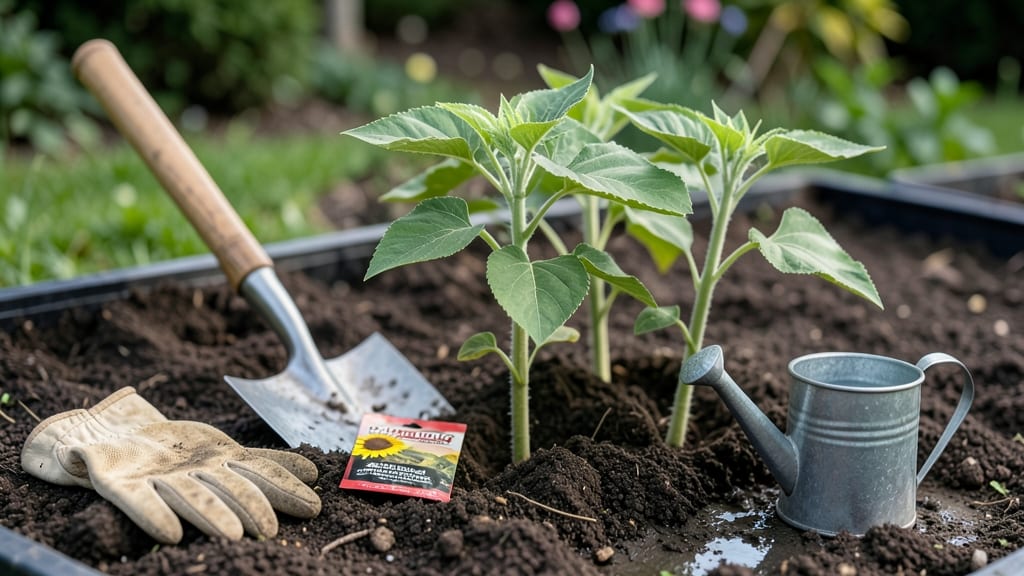
Planting sunflowers in Michigan at the wrong time can mean the difference between towering 🌻 blooms and sad, frost-nipped seedlings. With the state’s 5b-6b zones stretching from Detroit’s urban heat islands to the Upper Peninsula’s cooler soils, timing isn’t one-size-fits-all—but getting it right unlocks a summer of vibrant color and easy harvests.
Most Michigan gardeners should start sunflower seeds mid-April to mid-June, but your exact window depends on whether you’re in southern Zone 6b (like Wayne County) or northern Zone 5b (like Chippewa).
The key? Wait until soil temperatures hit at least 50°F—cold soil slows germination, and frost can still sneak in before Memorial Day in cooler areas.
Here’s the game-changer: direct sowing is the easiest and most reliable method for sunflowers, skipping the fuss of transplants.
We’ll break down exactly when to plant by county, how to prep your soil for fast germination, and which varieties thrive in Michigan’s short-to-medium growing seasons—so you can avoid common mistakes like planting too late for full blooms.
Whether you’re a first-time gardener or a veteran with a sunflower obsession, this guide cuts through the guesswork. You’ll leave knowing your precise frost-free deadlines, the best varieties for your region, and pro tips to extend your harvest into October—without the stress.
Michigan sunflower planting dates by USDA hardiness zone (2024 guide)
Sunflowers thrive in Michigan’s USDA zones 4a-6b, but the last frost date shifts dramatically from southern Detroit to the Upper Peninsula. To maximize blooms, align your planting with soil temperatures of 50°F+—cold soil delays germination.
Most Michigan gardeners plant between mid-April and mid-June, but northern counties like Marquette should wait until late May to avoid frost damage.
Direct sowing is the best method for sunflowers, as they hate transplant shock. Start seeds 1 inch deep and 6 inches apart in rows spaced 2-3 feet apart for full-size varieties.
In zone 6b (southern Michigan), you can even plant early varieties like ‘Teddy Bear’ as soon as late March under row covers.
Here’s your zone-by-zone planting timeline, including county examples and soil temperature thresholds for germination:
| USDA Zone | Last Frost Date | Planting Window | Soil Temp Threshold | County Example |
|---|---|---|---|---|
| 4a (UP) | Mid-May | Late May–June 15 | 50°F+ | Marquette, Houghton |
| 5a (Northern) | Early May | May 1–June 10 | 50°F+ | Traverse City, Grand Rapids |
| 5b (Central) | Mid-April | April 15–May 31 | 50°F+ | Lansing, Kalamazoo |
| 6a (Southern) | Late March | March 20–June 1 | 50°F+ | Ann Arbor, Flint |
| 6b (SE) | Early March | March 1–June 15 | 50°F+ | Detroit, Toledo |
🌱 Pro Tip: Use a soil thermometer to confirm readiness—cold soil delays germination by weeks!
For urban gardeners in Detroit, heat islands can push last frost dates 2-3 weeks later than rural areas. If you’re in zone 6b, don’t rush—wait until after May 15 to avoid late frosts.
In northern Michigan, prioritize early-maturing varieties like ‘Autumn Beauty’ (60-70 days to bloom) to ensure flowers before frost.
Transplanting sunflowers is risky but possible if you start seeds indoors. Use biodegradable pots and transplant when seedlings are 3-4 inches tall, burying stems up to their first leaves. However, direct sowing in the garden is simpler and more reliable, especially for Michigan’s variable spring weather.
If you miss the primary planting window, don’t despair! Late June plantings can still yield blooms in southern Michigan, though flowers may appear smaller and shorter. In northern zones, avoid planting after Memorial Day—your sunflowers won’t mature before frost.
For extended-season growing, try row covers or cold frames to protect early plantings. In
How to adjust sunflower planting for Michigan’s microclimates (urban vs. rural)
Michigan’s climate isn’t just about USDA zones—microclimates create huge differences between your neighbor’s garden and yours. Detroit’s urban heat islands can be 10°F warmer than nearby suburbs, while Traverse City’s lakeshore breezes delay planting by weeks.
Even within a single county, soil drainage and wind exposure change planting success. Let’s break down how to adapt your sunflower schedule for these local conditions.
For urban gardens like Detroit or Grand Rapids, start seeds indoors by late March to beat the heat. Outdoor planting should begin 2-3 weeks earlier than rural areas—late April to early May—since pavement and buildings trap warmth.
Use lightweight row covers if nighttime temps dip below 50°F, as sunflowers won’t germinate in cold soil. In contrast, rural areas (like the Thumb or UP) can wait until mid-May, when soil consistently stays above 55°F.
Microclimate
Key Adjustments
Planting Window
Variety Tip
Urban (Detroit, Grand Rapids)
Start indoors; use row covers; avoid late planting
Late April–Early May
Dwarf varieties (e.g., ‘Teddy Bear’)
Rural (UP, Northern MI)
Wait for soil warmth; extend season with black plastic
Mid-May–Early June
Early-maturing (e.g., ‘Autumn Beauty’)
Lakeshore (Traverse City, Muskegon)
Delay planting; protect from wind
Early May–Mid-May
Wind-resistant (e.g., ‘ProCut’)
Avoid the Memorial Day trap—planting after May 31 in northern Michigan risks shortened bloom times.
For late plantings, choose fast-maturing varieties like ‘Moulin Rouge’ (50 days) instead of giants like ‘Russian Giant’ (120+ days). Black plastic mulch can warm soil by 5–10°F, letting you plant 2 weeks earlier in cool zones like the UP.
If you’re in Zone 4a, consider starter plants from local nurseries to skip germination delays.
For container gardening (common in cities), use 5-gallon pots and plant dwarf varieties like ‘Sunspot’ by late May—they tolerate heat better than tall types. Water deeply in the morning to prevent fungal issues from evening moisture.
In windy lakeshore areas, stake tall varieties or plant near windbreaks like fences or shrubs. Pro tip: Shake seed heads in fall to collect seeds for next year’s early planting!
Don’t forget late summer plantings for fall blooms! In southern Michigan, sow ‘Autumn Beauty’ seeds by July 1 for October color. Just reduce spacing to 4 inches and expect smaller heads. For northern gardens, stick to June plantings—any later, and frost will cut the season short.
Always mulch after planting to retain moisture and regulate soil temp. With these microclimate tweaks, your sunflowers will thrive whether you’re in a Detroit rooftop garden or a UP farm! 🌻