Plants
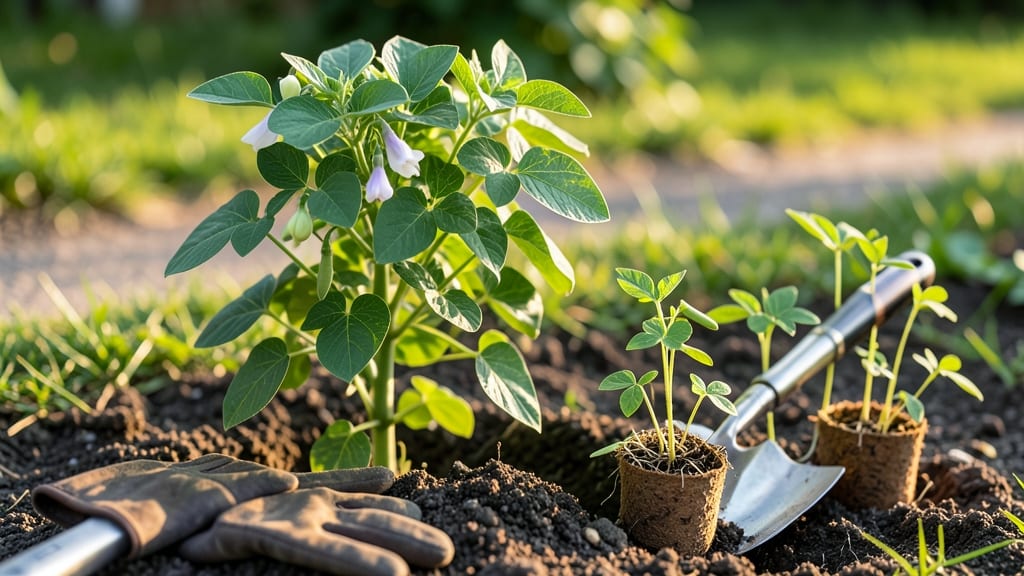
If you’ve ever wondered when to plant beans in Florida without ending up with wilted plants in the summer heat, you’re not alone. Florida’s year-round growing season means beans can thrive almost anytime—but timing is the secret to avoiding heat stress and maximizing your harvest.
Most gardeners in USDA Zones 8a-11 get the best results by planting in late winter or early spring, when temperatures are mild and frost isn’t a concern. But did you know you can also grow beans in fall?
The key is choosing the right varieties and planting at the perfect moment to beat the heat.
Whether you’re growing bush beans, pole beans, or Southern peas, this guide breaks down the ideal planting windows, soil prep, and even companion plants to keep pests away. No more guesswork—just a steady supply of fresh, homegrown beans all year.
Ready to turn your garden into a bean bonanza? Let’s dive into the exact steps to plant beans in Florida’s climate, so you can enjoy a harvest from seed to table without the stress.
Florida heat zone planting calendar for beans: avoiding summer scorching
Florida’s 10 USDA heat zones (8a-11) create a unique challenge for bean growers—too early, and your seeds rot in cold soil; too late, and the 90°F+ summer heat stunts growth. The key is planting during cooler transition months when soil temps stay between 60°F-85°F—ideal for germination and steady growth.
Most Florida gardeners focus on two prime windows: late winter (January-February) and early fall (August-September). These periods offer gentler temperatures and lower humidity, reducing risks of fungal diseases like bean rust or powdery mildew that thrive in Florida’s sticky summer air.
For North Florida (zones 8a-8b), where light frosts can still occur, aim for mid-February to early April plantings. In Central Florida (zones 9a-9b), you’ve got flexibility—plant from January through March or August through September.
Meanwhile, South Florida (zones 10a-11) gardeners can grow beans year-round, but avoid peak summer (June-August) when heat stress becomes critical.
Here’s the breakdown of optimal planting months by Florida region, including soil temperature targets and harvest windows to maximize your yield:
| Region | Best Planting Months | Soil Temp (°F) | Harvest Window | Notes |
|---|---|---|---|---|
| North FL (8a-8b) | Feb-Mar, Aug-Sep | 60-75°F | May-Jun, Nov-Dec | Use row covers for early spring |
| Central FL (9a-9b) | Jan-Mar, Aug-Sep | 65-80°F | Apr-May, Oct-Nov | Succession plant every 2 weeks |
| South FL (10a-11) | Year-round (avoid Jun-Aug) | 70-85°F | Continuous harvest | Use shade cloth in summer |
| All Regions | Sep-Oct (fall) | 60-70°F | Dec-Jan | Best for bush beans |
For pole beans, which need trellises or stakes, plant in late winter (February) to give them time to climb before summer’s heat sets in. Bush beans, which mature faster (50-60 days), can handle late spring (April) or early fall (August) plantings better, as they bolt quicker in extreme heat.
Pro tip: Use a soil thermometer to check temps before planting—below 60°F delays germination, while above 85°F stresses young plants. In North Florida, wait until after the last frost date (typically mid-February), but in South Florida, you can plant year-round with proper shade and water management.
Extend your growing season by planting every 2 weeks during optimal windows. This succession planting ensures a steady supply of fresh beans instead of one overwhelming harvest. Pair this with mulching to retain soil moisture and companion planting (like basil or marigolds) to deter pests.
Remember, Florida’s humidity is your biggest enemy—always water at the base of plants in the early morning to prevent fungal diseases. With the right timing, you’ll avoid the summer slump and enjoy beans from January through December.
🌱
Best bean varieties for Florida’s climate and how to extend the growing season
Florida’s subtropical climate lets you grow beans almost year-round, but not all varieties thrive in the heat. Southern peas (cowpeas) and yard-long beans are heat-tolerant powerhouses, while dwarf wax beans and blue lake bush beans excel in cooler winter months.
Choosing the right variety is key to avoiding heat stress and maximizing your harvest.
For summer planting, opt for black-eyed peas or purple hull peas, which handle Florida’s humidity better than traditional green beans. These varieties also resist common pests like bean beetles, making them low-maintenance picks for hot months. Succession planting every 2-3 weeks ensures a continuous supply of fresh pods.
In cooler months (November–March), pole beans like Kentucky Wonder or Contender thrive, climbing trellises to save space. Their vining habit also improves air circulation, reducing fungal risks in Florida’s damp winters. Bush beans like Blue Lake or Romano are ideal for container gardens or small spaces.
Heat-Tolerant vs. Cold-Hardy Varieties
✅ Heat-Tolerant (Summer)
- Black-eyed peas – Thrives in 90°F+
- Purple hull peas – Drought-resistant
- Yard-long beans – Loves humidity
🌡️ Best for June–September
❄️ Cold-Hardy (Winter)
- Blue Lake bush beans – Tolerates 50°F
- Kentucky Wonder pole beans – Early producer
- Dwarf wax beans – Compact growth
❄️ Best for November–March
To extend your growing season, use shade cloth (30–50%) during peak summer to protect young plants from scorching. Mulch with straw retains soil moisture and regulates temperature, while drip irrigation delivers water directly to roots without wetting foliage—critical in Florida’s humid climate.
For fall planting, start seeds indoors 4–6 weeks before your average first frost date (varies by zone). Transplant seedlings outdoors in September–October to avoid summer’s extreme heat. Succession plant every 2 weeks for a steady harvest until December in most of Florida.
Don’t overlook companion planting! Pair beans with corn and squash (the "Three Sisters" method) to improve soil fertility naturally. Avoid planting near onions or garlic, which can stunt bean growth. With the right variety and timing, you can enjoy fresh beans from January through November in Florida’s garden.