Plants
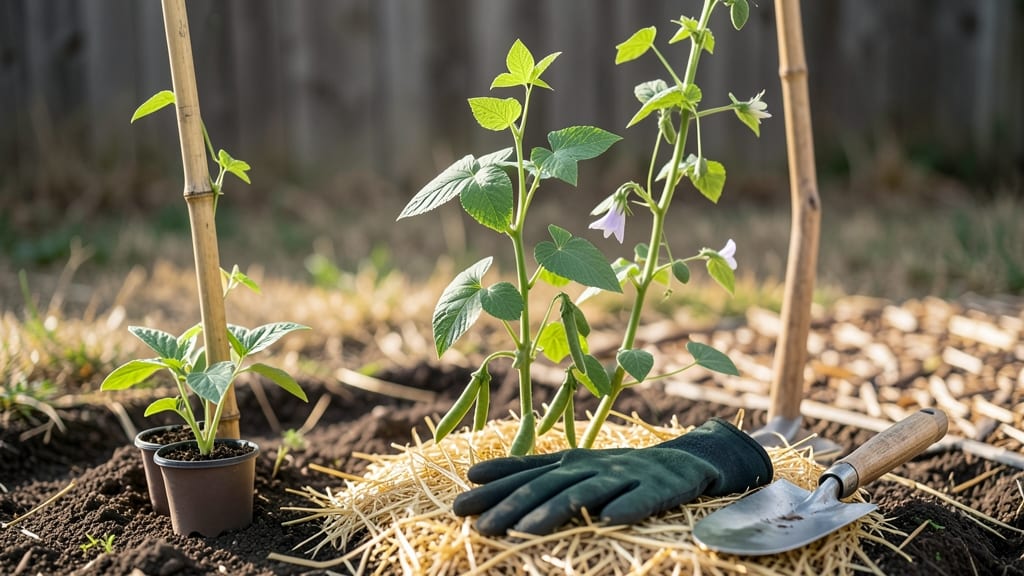
Timing your bean planting in Georgia could mean the difference between a bountiful harvest and a disappointing garden flop. The right window—after the last frost when soil warms to 60°F—sets the stage for thriving 🌱 beans that flourish in the Peach State's heat.
With Georgia's diverse climate zones (from 7b to 8b), knowing exactly when to plant—whether in March or August—isn't just helpful, it's essential. Get it wrong, and you risk stunted growth or worse. But nail the timing, and you'll enjoy fresh beans from June through November.
I'll break down the optimal planting dates for both spring and fall, tailored to Georgia's regions, plus pro tips for adjusting based on soil temperature and weather patterns. Let's make sure your beans get the perfect start.
Whether you're growing pole beans or bush varieties, these insights will help you maximize your harvest. Ready to transform your garden into a bean bonanza? Let's dive in.
Georgia’s bean planting zones by county: exact dates for pole and bush beans
Planting beans in Georgia requires knowing your USDA hardiness zone and local frost dates. The Peach State spans zones 7a to 8b, meaning planting windows vary dramatically between North Georgia’s cooler Piedmont and the hotter Coastal Plain.
For example, Atlanta’s last frost typically falls around March 15, while Savannah’s March 1 average marks the safe start. These differences mean your bush beans and pole beans could face frost damage if planted too early in the north or bolt in the south’s heat.
Georgia’s 159 counties fall into three broad planting zones: North (7a-7b), Central (7b-8a), and South (8a-8b). Each zone has specific spring and fall planting windows tailored to local microclimates.
For instance, Dahlonega’s 7a zone gardeners should wait until April 15 for spring plantings, while Brunswick’s 8b zone can start as early as February 20. Understanding these zones ensures your beans thrive without heat stress or cold damage.
Here’s a quick breakdown of the optimal planting windows by region, including soil temperature requirements and variety recommendations:
| Region | USDA Zone | Spring Planting Window | Fall Planting Window | Soil Temp (°F) | Best Varieties |
|---|---|---|---|---|---|
| North (7a-7b) | Atlanta, Dahlonega | April 15–May 1 | August 15–September 1 | 60–65°F | ‘Contender’ (bush), ‘Kentucky Wonder’ (pole) |
| Central (7b-8a) | Macon, Columbus | March 20–April 15 | August 1–August 15 | 65–70°F | ‘Blue Lake’ (pole), ‘Black Valentine’ (bush) |
| South (8a-8b) | Savannah, Brunswick | February 20–March 15 | July 15–August 1 | 70–75°F | ‘Purple Hull’ (bush), ‘Rattlesnake’ (pole) |
For pole beans, which need trellises and longer growing seasons, start seeds indoors 4–6 weeks before your region’s last frost date.
For example, North Georgia gardeners should begin indoors by March 1, while South Georgia can direct-sow as early as February 1. Bush beans, on the other hand, tolerate cooler soils and can be direct-sown once temperatures stabilize above 60°F.
Georgia’s fall planting window is equally critical, especially for heat-sensitive varieties like black-eyed peas. Aim to plant by August 15 in the north and July 15 in the south to ensure harvests before the first frost (November 15).
Use black plastic mulch to warm soil faster in cooler zones, or row covers to protect seedlings from unexpected September frosts.
Pro tip: Check the Georgia Weather Network for your county’s 30-day forecasts before planting. Unusually warm February spells in the south or late April frosts in the north can shift your planting dates by 2–3 weeks.
For example, if your area experiences a hard freeze in early April, delay planting until soil warms to 65°F.
Don’t overlook succession planting—this technique lets you harvest beans for 4–6 months straight. In Georgia’s 220+ frost-free days, plant new seeds every 2 weeks from March to August.
For instance, if you plant ‘Blue Lake’ pole beans on March 15, follow up with another batch on April 1 and April 15 to stagger harvests through July.
One common mistake is planting too early in the south or too late in the north. Early plantings in Savannah (Zone 8b) may bolt by May due to heat, while late plantings in Dahlonega (Zone
How to adjust planting dates for Georgia’s unpredictable weather patterns
Georgia’s weather can be as unpredictable as a summer storm—one day it’s perfect for planting, the next it’s too hot or too wet. That’s why I always check soil temperature and NOAA frost advisories before committing to a planting date.
For most of Georgia, beans thrive when soil reaches 60°F (15°C), but cooler regions like North Georgia (Zone 7a) may need to wait until mid-April.
If you’re in South Georgia (Zone 8a-8b), you can start as early as late February, but I recommend waiting until early March to avoid late frost risks. The key is flexibility—adjust your timeline based on real-time conditions, not just calendar dates.
Here’s how I fine-tune planting dates for my garden: I use a soil thermometer to confirm warmth, and I monitor NOAA’s Atlanta weather alerts for frost warnings. If temperatures dip unexpectedly, I’m ready to cover seedlings with row covers or black plastic mulch to protect them.
For fall planting, aim for late August to early September in North Georgia, or early September in South Georgia. This gives beans enough time to mature before the first frost, usually around mid-November. I’ve learned the hard way that rushing fall plantings leads to stunted growth.
Another trick? Succession planting every 2-3 weeks after your initial date. This ensures a steady harvest and reduces the risk of losing everything to a single heatwave or cold snap. For example, I plant my first batch in early April, then follow up in mid-April and late April.
If you’re in a transition zone (like Middle Georgia), pay extra attention to microclimates. A sunny, sheltered spot may warm up faster than a shady area, giving you a few extra days to plant.
I’ve even used black plastic mulch to warm soil by 5-10°F, which can shave weeks off your planting timeline.
Finally, don’t forget to harden off seedlings if you’re starting indoors. Gradually expose them to outdoor conditions for 7-10 days before transplanting. This toughens them up and reduces shock from sudden temperature swings—something my first garden attempts ignored, leading to wilted seedlings.
🌱 Pro Tips for Adjusting Planting Dates
- Soil Test First: Use a thermometer—beans need 60°F+ soil to thrive.
- NOAA Alerts: Bookmark NOAA’s Atlanta frost maps for real-time updates.
- Row Covers: Protect seedlings with floating row covers if frost threatens.
- Black Plastic Mulch: Warms soil by 5-10°F for earlier planting.
- Succession Plant: Sow new seeds every 2-3 weeks for continuous harvests.
- Hardening Off: Acclimate seedlings to outdoor temps for 7-10 days before transplanting.