
Plants
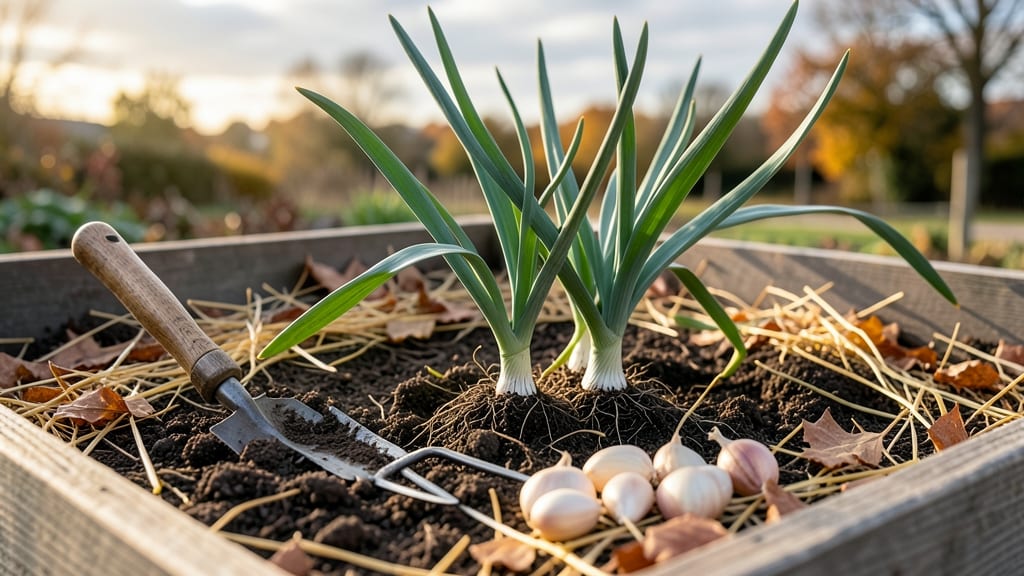
Planting garlic in Zone 7 at the wrong time could mean the difference between a thriving crop and wasted effort. The key to success lies in timing—specifically, planting your 🧄 4-6 weeks before the ground freezes.
This window ensures strong root growth before winter’s first frost, setting the stage for a bountiful harvest.
In Zone 7, where winters are mild but frost still plays a critical role, the ideal months to plant garlic are October and November. This timing allows the cloves to establish roots before the soil freezes solid, protecting them from winter’s chill.
Skipping this window could leave your garlic vulnerable to poor bulb development or even frost damage.
Why does timing matter so much? Garlic needs cold exposure to form bulbs, but too much frost too soon can stunt growth. By planting in late fall, you give your garlic the perfect balance—enough cold to develop strong roots and bulbs, but not so harsh that it risks damage.
Let’s break down exactly how to time it right for your Zone 7 garden.
Whether you’re a seasoned gardener or new to growing garlic, mastering this timing will transform your harvest. You’ll learn how to prepare your soil, choose the right varieties, and protect your plants from unexpected frost. Ready to grow the best garlic in Zone 7? Let’s get started.

Best planting months for garlic in Zone 7 (with frost timing guide)
In Zone 7, garlic thrives when planted in fall—specifically between mid-October and early November. This timing ensures cloves develop strong roots before the ground freezes, setting the stage for robust bulbs next summer.
The key is to plant 4-6 weeks before your area’s first hard frost (typically 10–15°F in Zone 7).
Zone 7’s mild winters mean garlic can handle light freezes, but roots need time to establish before temperatures drop below 20°F. If you’re in a warmer microclimate (e.g., near water or urban heat islands), aim for early October to avoid winter damage.
Conversely, cooler pockets may need a November planting.
Garlic planted in spring (March–April) is possible but yields smaller bulbs because the growing season is shorter. Fall-planted garlic benefits from cold stratification, a natural process that enhances flavor and bulb size. For Zone 7 gardeners, this means prioritizing fall over spring for the best results.
🌱
Hardneck garlic varieties like Rocambole and Purple Stripe are ideal for Zone 7 because they thrive in colder winters and produce flavorful scapes. Plant them in mid-October for optimal root development.
Softneck varieties, such as Silverskin, are better suited for warmer microclimates and can handle a slightly later planting in early November.
If you miss the fall window, don’t panic—garlic can still be planted in early spring (March). However, bulbs will be smaller and less flavorful. Spring planting is best for green garlic or if you’re experimenting with new varieties.
For the best results, stick to fall planting and adjust your timing based on your specific frost dates.
Use your local USDA frost calendar to fine-tune your planting date. For example, in Atlanta, GA (Zone 7b), the average first frost is November 15, so aim for October 15–30.
In Raleigh, NC (Zone 7a), where frosts arrive earlier, plant by October 10 to avoid winter stress.
Pro tip: Test your soil temperature before planting. Garlic cloves need soil temps between 40–50°F for best root establishment. Use a soil thermometer to confirm—this is especially critical in warmer Zone 7 regions where soil may stay too warm in late fall.
🌿
Finally, account for microclimates in your garden. Areas near trees or buildings may stay warmer longer, delaying frost. Conversely, open fields or northern exposures freeze sooner. Adjust your planting date by 1–2 weeks based on these factors to ensure your garlic gets the cold stratification it needs.
Best planting months for garlic in Zone 7 (with frost timing guide)
In Zone 7, the perfect window to plant garlic is October through mid-November, giving cloves 4-6 weeks to establish roots before the ground freezes. This timing aligns with Zone 7’s average first frost date of November 15, ensuring your garlic develops strong roots without risking winter damage.
Why this window? Garlic needs cold exposure (vernalization) to form bulbs, but too much frost too soon can stunt growth. Planting in late fall gives your garlic the ideal balance—enough cold to develop roots while protecting it from harsh winter conditions.
Here’s the critical frost timing guide for Zone 7: - First frost: Around November 15 - Last frost: Around March 15 - Planting deadline: 4-6 weeks before first frost (aim for October 15–November 1)
| Month | Ideal Planting Window | Notes |
|---|---|---|
| September | Early planting (if soil is warm) | Risk of sprouting before frost; best for late varieties. |
| October | Primary window (best for most varieties) | Optimal for hardneck garlic; avoids early frost. |
| November | Late planting (up to mid-November) | Works for softneck varieties; mulch heavily. |
| December | Not recommended | Soil may already be frozen; poor root development. |
For Zone 7 gardeners, hardneck garlic (like ‘Music’ or ‘German White’) thrives when planted by October 15, while softneck varieties (like ‘Silverskin’) can handle later plantings up to mid-November.
Always check your local frost dates—even within Zone 7, microclimates can shift planting windows by 1-2 weeks.
Pro tip: Use a soil thermometer to confirm the ground is below 50°F before planting. If temperatures drop too fast, cover newly planted cloves with straw mulch (4–6 inches) to insulate them until winter sets in.
Spring planting is possible but not ideal—garlic planted in spring may produce smaller bulbs and lack the flavor depth of fall-planted varieties. Stick to the fall window for the best results, and your Zone 7 garlic will reward you with bold, flavorful bulbs next summer.