What this work is made with
This page is a list of things, not a story. Gardening doesn’t live in words alone—it lives in the soil, the tools, and the hands that shape it. Here, we name what holds the work together.
This is *Plant Roots*, a place for seeds, soil, and the quiet lessons that grow between them. Every tip, every failure, every triumph starts with something real: a shovel, a seedling, or the memory of a first harvest.
The things that do the work
These are the objects that shape what you’ll find here—not the words, but the things that wear down with use. The tools that bend, the soil that remembers, and the hands that tend.
The old wooden trowel
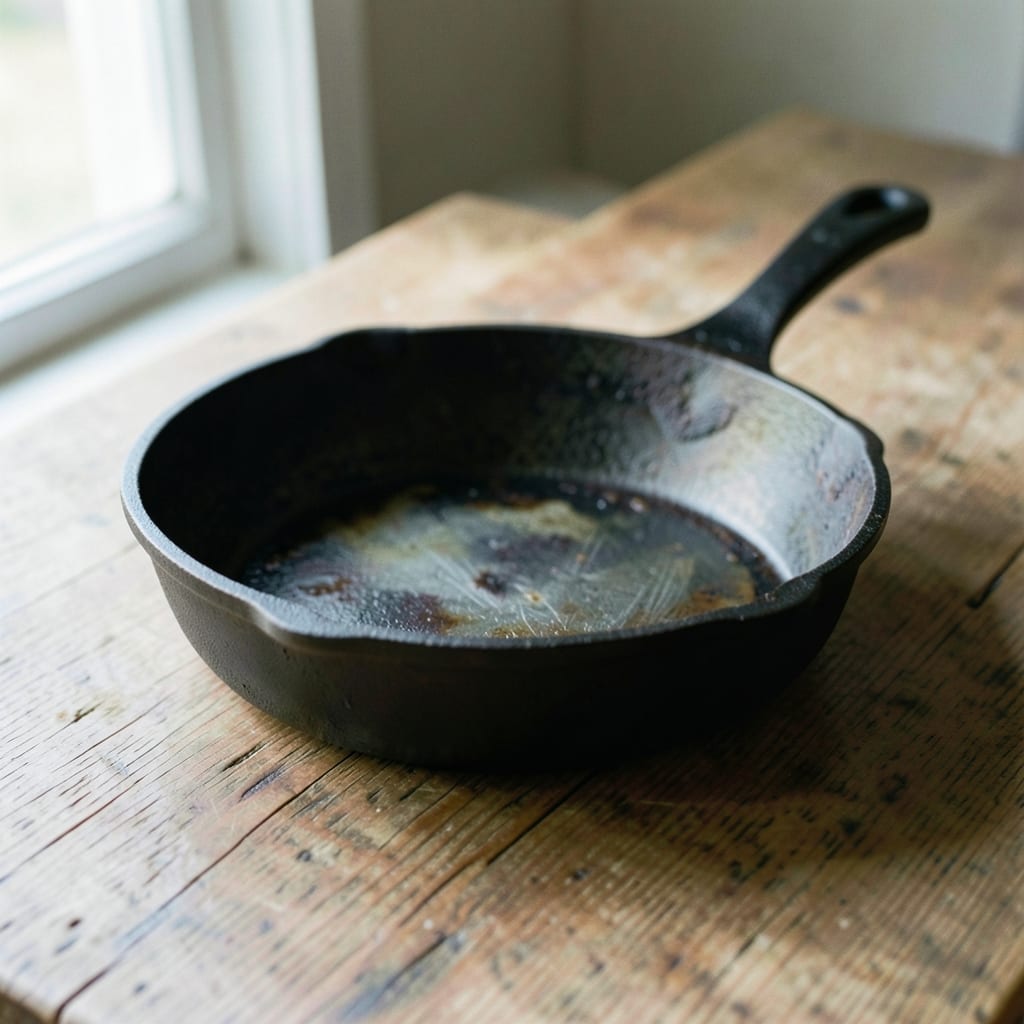
A split-handled trowel with a blade worn concave from years of digging. It’s been here since the first raised bed, its wood cracked but still grippable. The split handle is bound with frayed twine—repaired three times, each knot tighter than the last.
It taught us that the best tools aren’t the newest. This one’s been dropped, buried, and left in rain, but it still cuts through compacted soil cleaner than any plastic ever could. *12 repairs* and counting.
The cracked clay pot
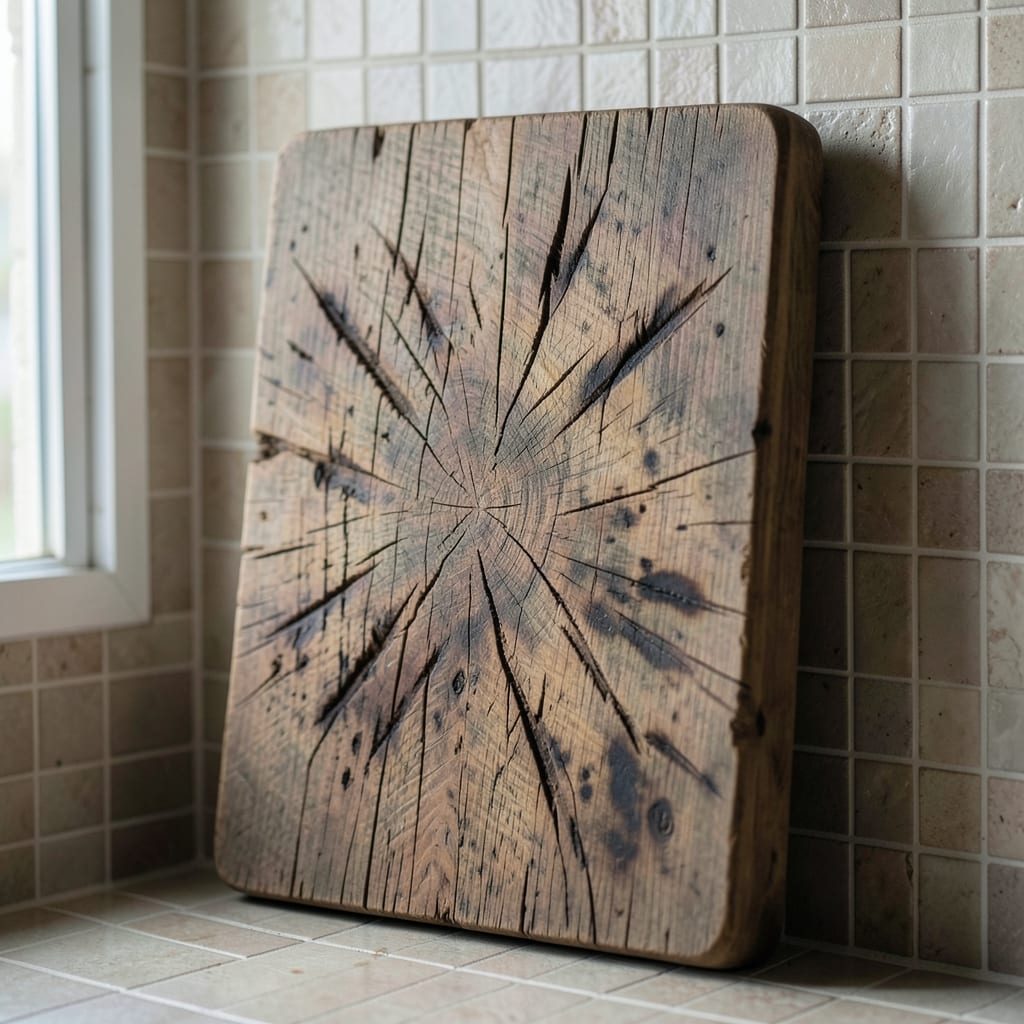
A terracotta pot, chipped along the rim and stained with old compost. It’s been in the same spot for eight years, its sides rough where moss clings. The cracks let water through too fast, but that’s why the basil it once held grew so vigorously.
It proved that imperfection isn’t a flaw—it’s part of the work. We keep it because it reminds us that even broken things can still hold life. *Too many seeds* have sprouted in its saucer to count.
The burlap sack
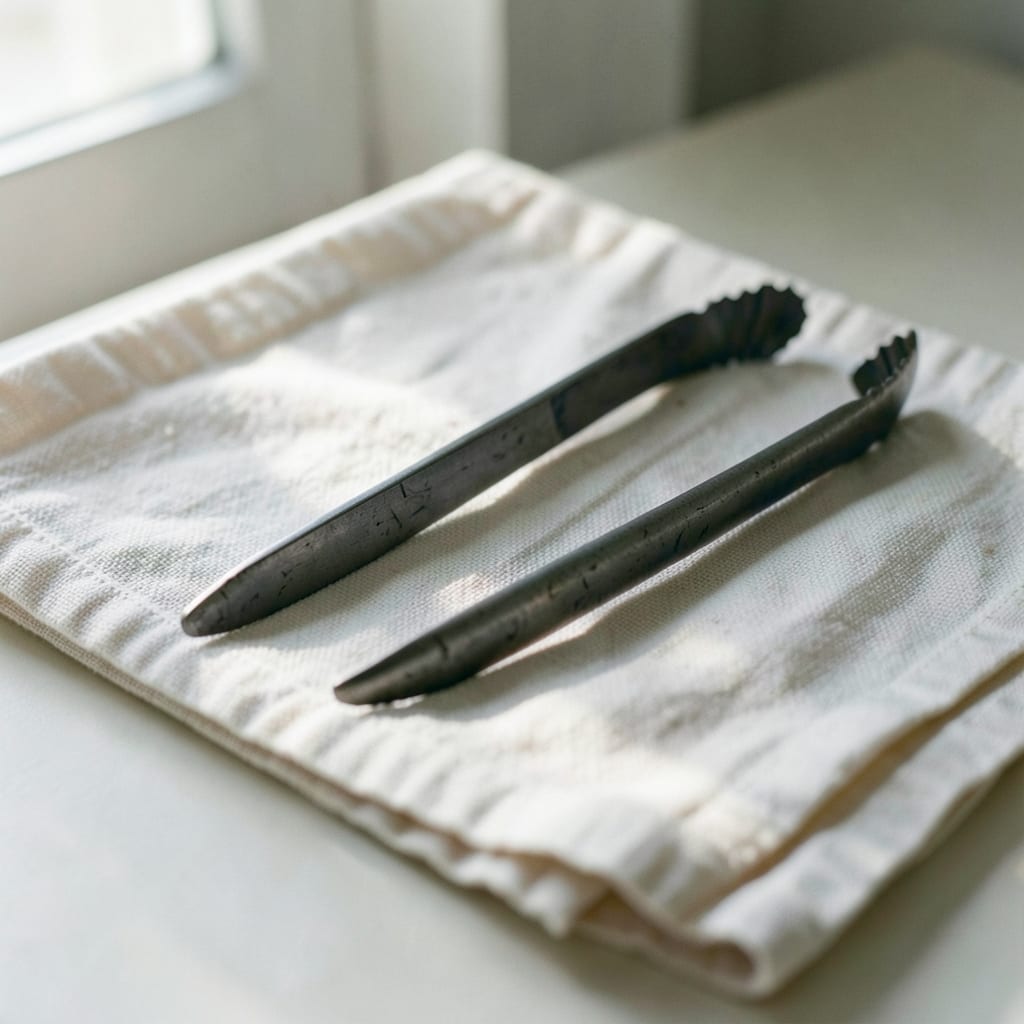
A heavy sack of undyed burlap, its stitching loose at the seams. It’s been here since the first winter mulch, its fibers frayed from hauling compost and manure. The weight of it is why it never tears when you need it most.
It showed us that the cheapest tools can be the most reliable. No plastic, no labels—just raw material, worn in by the work itself. *Still holds 50 pounds* of soil without a single rip.
The rusted pruning shears
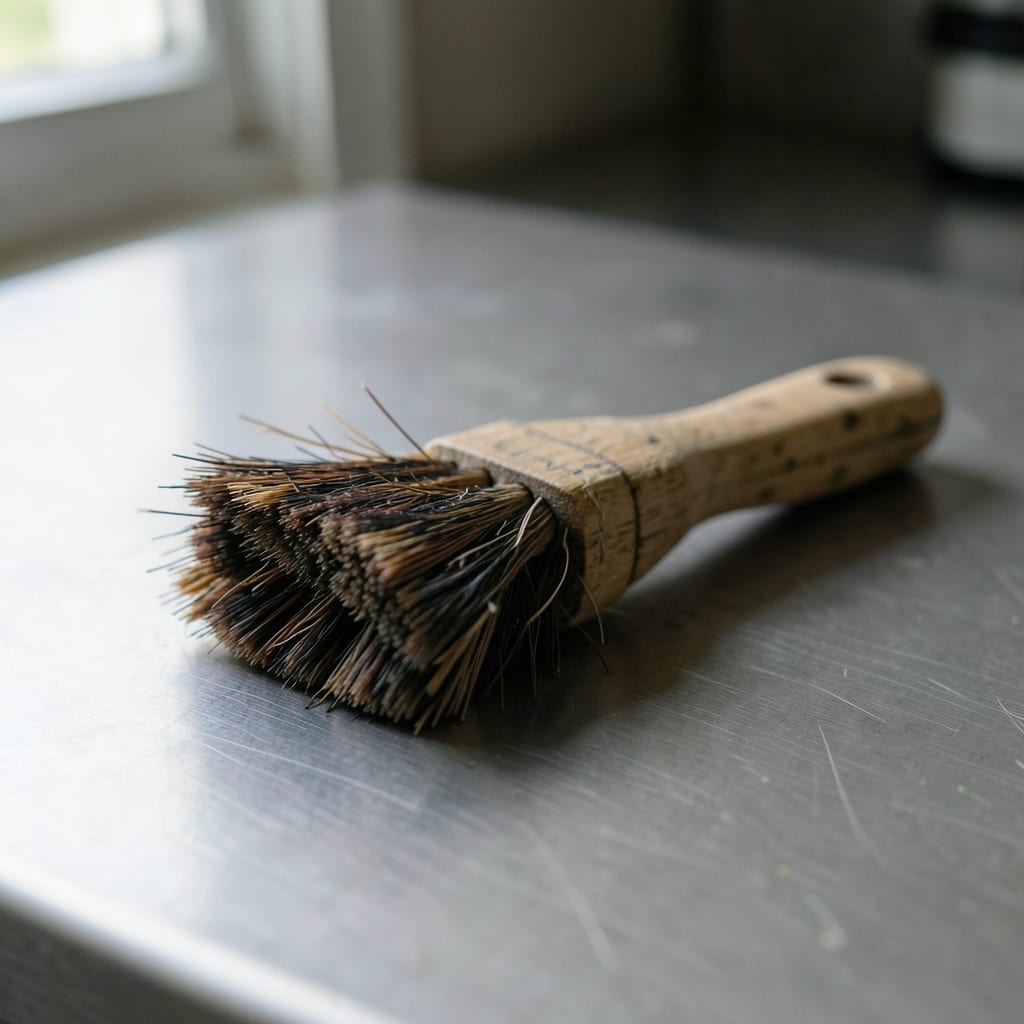
A pair of shears with a blade that’s pitted from rust and a handle wrapped in electrical tape. They’ve been here since the first overgrown tomato vine, their pivot point stiff from years of use. The tape was added after the third time the handle split.
They taught us that some tools should never be replaced. The rust doesn’t matter—what matters is that they still cut clean, even when the blades are too dull to sharpen. *Lasted through 3 seasons* of blackspot-prone roses.
What is not in the drawer
This work doesn’t depend on things that complicate it. Some choices were made early, and they stay.
Deliberately absent
- Garden centers’ ‘perfect’ plants—we start from seed whenever we can.
- Synthetic fertilizers—what grows here is built on compost, not chemicals.
- Brand-new tools—if it’s not broken (or already worn in), we don’t replace it.
- Digital soil sensors—sometimes you just have to feel the earth with your hands.
Behind the scenes

I am Dominic Zielinski, the founder and editor of *Plant Roots*. I’m the one who writes the tips, digs the trenches, and still gets dirt under my nails after twenty years of gardening.
I came to this from a childhood of sneaking seeds from my mom’s vegetable garden to plant in the cracks of the sidewalk behind our house. She never noticed—or pretended not to. By sixteen, I was growing enough tomatoes to trade with neighbors for homemade bread.
This work has given me a habit of noticing soil: the way it smells after rain, the texture of good loam, the way a shovel’s edge tells you if the earth is dry or too wet. I can’t walk past a garden bed without imagining what’s beneath the surface.
I’m here to help you grow something—whether it’s your first tomato or your tenth failed batch of heirloom beans. This site exists because gardening isn’t just about what you plant; it’s about what you learn from the dirt.
Why any of this matters to you
These things—the worn tools, the cracked pot, the hands that tend—are why every tip here is tested in real soil, not just written on a screen.
They’re why we talk about failures as much as successes, and why the advice is built on what actually works, not what looks good in a photo.
When you read a post here, you’re not just getting words. You’re getting the weight of a trowel in your hand, the patience of a rusted shear, and the quiet knowledge that some things—like soil and seeds—remember everything.
Every piece of advice here is shaped by the things you’ve just read about. That means no vague instructions, no untried theories, and no shortcuts that skip the dirt work. If it’s written here, it’s been tested where it counts—in real gardens, with real tools, and real failures.
The guides are grouped by category: Advice, Aphids, Blooming, Companion Plants, Container Gardens and Diseases.