
Plants
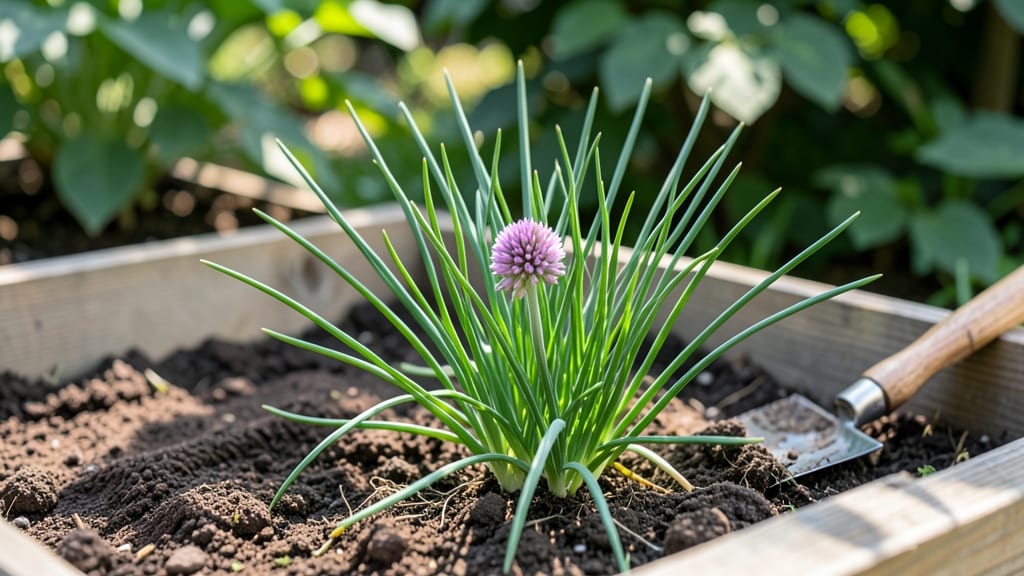
Knowing when to plant chives in Zone 7 can transform your herb garden from a hit-or-miss experiment to a reliable source of fresh flavor year after year.
These hardy perennials thrive in your climate, but timing matters—plant too early, and frost might nip them; too late, and you’ll miss the sweet spot for robust growth.
Chives love the mild springs and falls of Zone 7, making them perfect for gardeners who want a low-maintenance herb that keeps coming back. Whether you’re a first-time planter or a seasoned gardener, getting the timing right means fewer headaches and more harvests from May to October.
In this guide, I’ll break down the ideal planting windows—spring versus fall—and share pro tips to ensure your chives grow strong, no matter where you are in Zone 7a-7b. You’ll learn how to prep your soil, avoid common mistakes, and even extend your harvest season.
Ready to grow chives that come back bigger and better every year? Let’s dive into the best times to plant and keep them flourishing through your Zone 7 seasons.

Optimal planting windows for chives in Zone 7 (spring vs fall)
Chives thrive as perennial herbs in Zone 7, but timing your planting is critical to avoid frost damage or stunted growth. Since Zone 7 experiences last frost dates around March 15 and first frosts by mid-November, you have two prime windows: early spring and early fall.
Each offers unique advantages, depending on your local microclimate—whether you're in Richmond, Atlanta, or Nashville.
Spring planting gives your chives a full growing season to establish roots before summer heat arrives, while fall planting lets them overwinter successfully with minimal winter dieback. The key difference? Soil temperature and daylight hours.
Chives need soil temps above 40°F (4°C) to sprout consistently, which typically aligns with late March in most of Zone 7.
Here’s how the two seasons compare for chives in your region:
| Factor | Spring Planting (March-April) | Fall Planting (September-October) |
|---|---|---|
| Ideal Soil Temp | 40-60°F (4-15°C) | 50-65°F (10-18°C) |
| Frost Risk | Low (after last frost) | Moderate (before first frost) |
| Daylight Hours | Increasing (12-14 hrs) | Decreasing (10-12 hrs) |
| Harvest Window | May-October | June-November (if planted early) |
| Best For | First-year growth | Established perennials |
| Local Example (Richmond) | March 20-April 15 | September 15-October 10 |
For spring planting, aim to get chives in the ground 2-4 weeks after your last frost date. In Zone 7a (colder end of the zone), this might mean waiting until early April, while Zone 7b gardeners can start as early as late March.
Start seeds indoors 6-8 weeks before your target transplant date if you prefer growing from seed.
Fall planting is trickier but rewarding. Chives need 4-6 weeks to establish roots before winter sets in. In Zone 7, this means planting by mid-October at the latest. If you miss this window, your chives may not survive the winter’s occasional hard freezes.
A thick mulch layer (3-4 inches) of straw or shredded leaves can protect young plants.
Pro tip: If you live in a warmer microclimate (like Atlanta’s urban areas), you can push fall planting into early November. Conversely, higher elevations or rural areas should plant by late September to avoid frost.
Always check your local frost dates—they can vary by 1-2 weeks even within the same zone.
Whether you choose spring or fall, direct sowing is the easiest method for chives. They self-seed readily, so you’ll likely have volunteer plants popping up in future years.
Just remember: well-draining soil is non-negotiable. Chives hate soggy roots, which can lead to rot or fungal diseases in Zone 7’s humid summers.
For a continuous harvest, many gardeners in Zone 7 plant half their chives in spring and the other half in fall. This ensures you have fresh purple-stemmed chives from late spring through early winter, with minimal gaps.
Just be prepared to protect fall-planted chives with row covers if a sudden cold snap hits in November.
🌱
Optimal planting windows for chives in Zone 7 (spring vs fall)
Chives thrive in Zone 7’s mild climate, but planting them at the right time ensures they establish strong roots before summer heat or winter frost. In this zone, you have two prime windows: early spring (March-April) and early fall (September-October).
Each offers unique advantages depending on your local microclimate—whether you're in Richmond’s humid summers or Atlanta’s cooler highlands.
The key difference? Spring planting gives chives a full growing season to mature, while fall planting lets them establish roots before winter dormancy.
Both strategies work, but timing matters—plant too early in spring, and frost may still threaten; too late in fall, and they won’t root deeply enough before cold sets in.
🌱 Soil temperature is your best guide: Aim for 40–50°F (4–10°C) for spring and 50–60°F (10–15°C) for fall. Use a soil thermometer to check—this ensures roots grow actively without stress.
| Factor | Spring Planting (March-April) | Fall Planting (September-October) |
|---|---|---|
| Ideal Soil Temp | 40–50°F (4–10°C) | 50–60°F (10–15°C) |
| Frost Risk | Low after March 15 | High after November 1 |
| Growth Advantage | Full summer harvest | Established roots for spring |
| Best For | First-time planters | Experienced gardeners |
| Local Example | Atlanta: Late March | Richmond: Early October |
For spring planting, wait until after your last frost date (March 15)—this gives chives time to harden off before summer’s heat. In fall, plant 6–8 weeks before first frost (by November 1) to allow roots to establish before dormancy.
Pro tip: Use mulch (2–3 inches) in fall to insulate roots and prevent heaving.
Zone 7’s humidity fluctuations can stress chives, so choose planting times with moderate moisture—avoid droughty springs or soggy falls. If your area has unpredictable weather, err on the side of earlier spring planting for more reliable growth.
🌿 Regional nuance matters: In cooler microclimates (e.g., higher elevations), push spring planting to April to avoid late frosts. In warmer lowlands (e.g., near rivers), fall planting can extend to mid-October if soil stays workable.