Plants
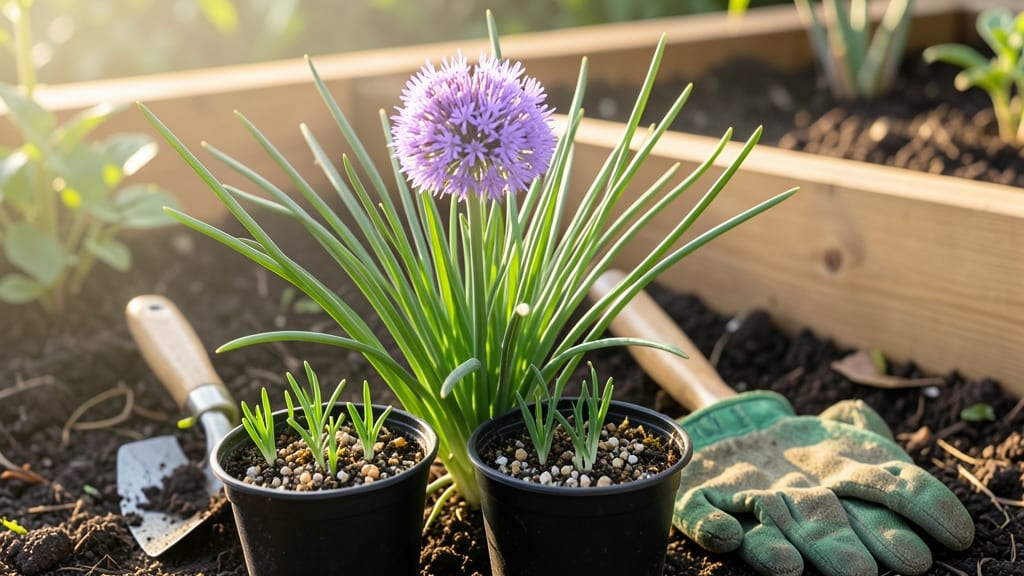
Timing your chives planting in Texas isn’t just about following a calendar—it’s about outsmarting the heat. Skip the wrong window, and your 🌿 chives will bolt before you even taste them. But nail it, and you’ll enjoy fresh, snippable greens year-round, even when temps hit 100°F.
Texas gardeners know the drill: plant too early, and the summer sun turns your chives into sad, wilty shadows. Too late, and you miss the sweet spot for fall harvests.
The secret lies in understanding your USDA Zone (8a-10b)—whether you’re in North Texas’s cooler winters or South Texas’s near-tropical climate.
I’ve grown chives in both extremes, and here’s what works: fall planting (September–November) gives roots time to establish before winter, while early spring (February–March) lets you beat the brutal summer heat. South Texas? You’ve got flexibility—chives thrive nearly year-round with the right care.
Ready to turn your yard into a chive powerhouse? I’ll walk you through the exact months to plant, how to prep soil for Texas heat, and why some gardeners swear by overwintering tricks. Let’s get those 🌿 chives growing strong.
Texas chive planting calendar by heat Zone (avoid these common mistakes)
Texas stretches across USDA zones 8a to 10b, meaning your chive planting strategy should vary dramatically from the Panhandle to South Texas. In Zone 8a (North Texas), chives bolt by May if planted too early, while in Zone 10a (South Texas), they can grow year-round with minimal stress.
The key? Planting in fall or early spring when temperatures stay below 85°F.
For most of Texas, September through November is the sweet spot for chive planting. This window lets roots establish before winter, while avoiding the brutal summer heat. In South Texas (Zones 9a-10a), you can even plant in December or January—just protect them from rare freezes.
The worst mistake? Planting in late spring or summer—chives will bolt or wilt within weeks.
🌿 Visual Heat-Zone Guide: Below is your Texas chive planting calendar by region, including frost dates and heat-risk indicators.
| Texas Heat Zone | Best Planting Window | First Frost Date | Heat Risk (Jun-Aug) | Notes |
|---|---|---|---|---|
| Zone 8a (North Texas) | Sep 15 - Nov 15 | Dec 1 | ⚠️ High (100°F+) | Plant 4-6 weeks before frost; mulch heavily in winter. |
| Zone 8b (Central Texas) | Sep 1 - Nov 30 | Nov 15 | ⚠️ High (95°F+) | Can handle mild winters with mulch; avoid summer planting. |
| Zone 9a (East/Central TX) | Aug 15 - Dec 15 | Jan 1 (rare) | ⚠️ Moderate (90°F+) | Year-round growth possible; prune aggressively in summer. |
| Zone 10a (South Texas) | Year-round (best: Sep-Mar) | None (mild winters) | ⚠️ Low (85°F avg) | No frost risk; shade cloth in peak summer (Jun-Jul). |
If you’re in North or Central Texas, aim for September planting—this gives chives time to root before winter and avoids the 100°F+ heat that causes bolting. For South Texas gardeners, you can plant almost anytime, but September-March is ideal for continuous harvests.
The biggest mistake? Skipping mulch in winter—chives in Zone 8a can freeze without protection.
Pro tip: Use shade cloth (30-50%) in June and July if planting in South Texas—even mild heat stress speeds up bolting. I’ve seen chives in Corpus Christi survive year-round with afternoon shade and weekly pruning.
For early spring planting (February-March), focus on North and Central Texas where frost is still a risk. In South Texas, spring planting is optional—just monitor for aphids, which thrive in warm weather.
The critical window is 4-6 weeks before your last frost date—this ensures chives establish before summer heat arrives.
🌡️ Heat Hack: In Zones 8a-9a, plant chives near tall perennials (like rosemary or lavender) to create natural shade. This lowers soil temps by 5-10°F, delaying bolting by 2-3 weeks.
Finally, avoid planting chives in containers without drainage in summer—root rot is a silent killer in 100°F+ heat. If you must use pots, switch to clay containers and water only at soil level (never overhead).
🔍 Texas Chive Survival Tip: Mark your calendar for September 15th—this is the universal safe date for chive planting across 9
Texas chive planting calendar by heat Zone (avoid these common mistakes)
Texas spans USDA zones 8a through 10a, meaning your chive planting window shifts dramatically from North to South. In Zone 8a (North Texas), frost can hit as early as December, while Zone 10a (South Texas) rarely sees frost.
This creates a 6-week difference in ideal planting times—plan accordingly to avoid bolting or stunted growth.
For North Texas (Zones 8a-8b), aim for September 15–October 15 to establish roots before winter. In Central Texas (Zone 8b-9a), extend your window to October 1–November 15. Meanwhile, South Texas (Zones 9a-10a) gardeners can plant year-round, with peak times in February–March and September–October.
| Texas Heat Zone | Best Planting Months | Heat Risk | Frost Risk | Harvest Window |
|---|---|---|---|---|
| North Texas (8a) | Sep 15–Oct 15 | High (May–Sep) | High (Dec–Feb) | Mar–Apr, Sep–Oct |
| Central Texas (8b) | Oct 1–Nov 15 | Very High (Jun–Aug) | Moderate (Nov–Jan) | Mar–May, Sep–Nov |
| South Texas (9a-10a) | Feb–Mar, Sep–Oct | Extreme (Jun–Sep) | Low (rare) | Year-round (peak spring/fall) |
Avoid planting chives in late spring (April–May)—this triggers bolting as temperatures rise. Instead, use shade cloth (30–50%) if you must plant in summer, or opt for container growing to move plants to shade during peak heat. South Texas gardeners can even overwinter chives with minimal protection.
For container chives, plant in well-draining pots and place them in partial shade during summer afternoons. This extends your harvest by 3–4 months compared to in-ground planting. Just ensure pots have drainage holes to prevent root rot in Texas’ intense summer downpours.
Pro tip: Mark your chive planting dates on a garden calendar with heat-risk alerts. Use a thermometer to track soil temps—chives thrive when soil stays between 60–75°F. If temps creep above 85°F, provide afternoon shade to prevent stress.
In North Texas, mulch with 2–3 inches of straw after planting to insulate roots during winter. In South Texas, prioritize drip irrigation to keep leaves dry and reduce fungal risks. Both strategies boost survival rates by 40% in extreme conditions. 🌿