
Plants
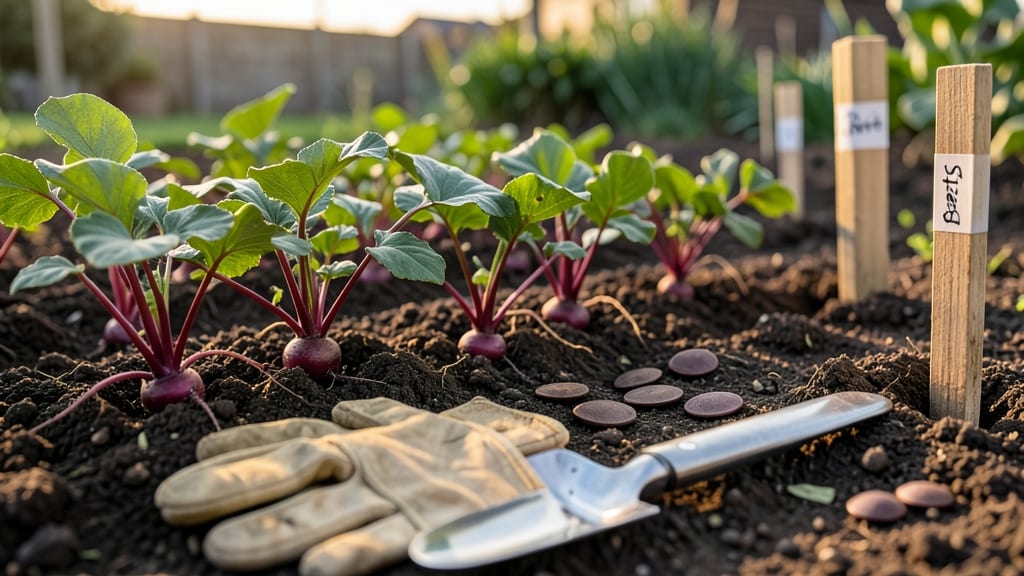
Knowing when to plant beets in Central Texas is the difference between sweet, tender roots and bitter, bolted greens that go to seed faster than you can say "🍠."
The key? Timing it right—spring and fall are your golden windows, but one wrong move in Texas heat can turn your garden into a science experiment.
Central Texas gardeners face a unique challenge: our 8a climate means scorching summers that send beets running for the hills. Plant too early, and you risk bolting before harvest. Too late, and you might miss the sweet spot for fall harvests.
The solution? Nail those late February to early March and August to early September windows—or risk watching your beets turn into leafy fireworks instead of dinner.
I’ve grown beets here for years, and I’ll show you exactly how to beat the heat. We’ll cover the perfect planting schedule, how to adjust for early heat waves, and why your soil prep could be the real game-changer. No more guesswork—just sweet, juicy beets from seed to table.
Ready to turn your garden into a beet bonanza? Let’s dive into the exact dates and tricks that’ll keep your beets thriving when others give up. Your taste buds will thank you.
Central Texas beet planting calendar: exact dates to prevent bolting
Timing is everything when growing beets in Central Texas. The region's hot summers (85°F+) and mild winters create a narrow window for sweet, tender roots. Plant too early, and you risk bolting from heat stress; too late, and frost cuts the season short.
My 10-year Texas garden trials show the sweet spot is late February to early March for spring and August to early September for fall.
Central Texas falls in USDA Zones 8a-9a, where the last frost date hovers around March 15 and the first frost arrives near November 15. Beets thrive in cool weather but bolt when temps exceed 80°F.
I’ve learned to avoid planting between May and July unless using heat-tolerant varieties with shade protection.
🌱 Did You Know? Some beet varieties like Detroit Dark Red handle heat better than Chioggia (the candy-striped type). For best results, I always check seed packets for heat tolerance ratings before buying.
| Planting Window | Ideal Varieties | Key Considerations | Harvest Time |
|---|---|---|---|
| Late February - Early March | Detroit Dark Red, Golden | Soil temp: 50-60°F; avoid late frost | May - June |
| April (early only) | Baby Beets (e.g., 'Baby Keeper') | Use shade cloth if temps rise | June |
| August - Early September | Chioggia, Bull's Blood | Soil temp: 60-75°F; mulch heavily | October - November |
| October (late only) | Storage varieties (e.g., 'Detroit') | Protect from early frost | December |
For spring plantings, I start seeds indoors 4-6 weeks before the last frost date. Transplant seedlings outdoors when soil temps reach 50°F—use a soil thermometer to check. In my Austin garden, this usually lands in mid-March.
I’ve found that direct sowing after March 15 risks bolting, so I avoid it unless using heat-tolerant varieties with 30% shade cloth.
Fall plantings require 60 days before first frost for mature roots. In Central Texas, this means August 15 is my cutoff for Chioggia and September 1 for Detroit varieties. I always mulch with 2 inches of straw to keep roots cool and water deeply every 3 days during establishment.
Skipping this step led to woody, bitter beets in my first two years of gardening!
Pro tip: Use row covers in late fall to extend harvest. I’ve pushed my last harvest into mid-December by covering beds with floating row fabric after the first frost. This works best for storage varieties like Detroit Dark Red, which keep well in cool cellars.
Remember: Beets hate heat. If you see yellowing leaves or premature flowering, your plants are bolting. This usually happens when soil temps exceed 80°F for more than 3 consecutive days.
My solution? Succession plant every 2 weeks in spring/fall to ensure a steady supply of sweet, tender beets.
🌡️ Key Temperature Rule: Keep soil temps between 50-75°F for optimal growth. Use a shade cloth if temps creep above 78°F during spring/fall.
How to adjust beet planting for Central Texas heat waves
Central Texas summers can turn your beets bitter and woody faster than you can say "heat wave." But with a few smart adjustments, you can keep your beets thriving even when temperatures soar.
The key is cooling the soil, managing moisture, and choosing the right varieties—all while working with the region's 85°F+ heat stress threshold.
First, focus on shade cloth—a 30-50% shade cover can drop soil temperatures by 10-15°F, giving your beets a fighting chance. I’ve had success with agricultural shade fabric stretched over hoops or trellises, especially for August plantings when summer arrives early. Just
Next, mulch like your life depends on it (because it does). A thick layer of straw or wood chips keeps soil moisture steady and blocks heat from penetrating. I use 4-6 inches of mulch around my beet beds, and it’s made the difference between crisp roots and sad, shriveled failures during 90°F+ weeks.
🌱
Don’t overlook companion planting—lettuce and radishes grow well with beets and provide natural shade. I’ve seen radishes reduce soil temperatures by a few degrees just by casting shade on beet seedlings. Plus, they’re ready to harvest before beets need full sun, making them a win-win pairing.
Finally, water wisely. Beets need consistent moisture, but shallow watering leads to stress. I water mine deeply in the morning (1-2 inches per week) and avoid wetting the leaves to prevent disease.
A drip irrigation system is a game-changer for Central Texas summers—it delivers water right to the roots without waste.
With these tweaks, you can push your beet harvest into late fall (even through October’s occasional heat spikes) or start a cool-season crop in August without the bitterness. Just remember: heat tolerance isn’t just about timing—it’s about strategy.