
Planting
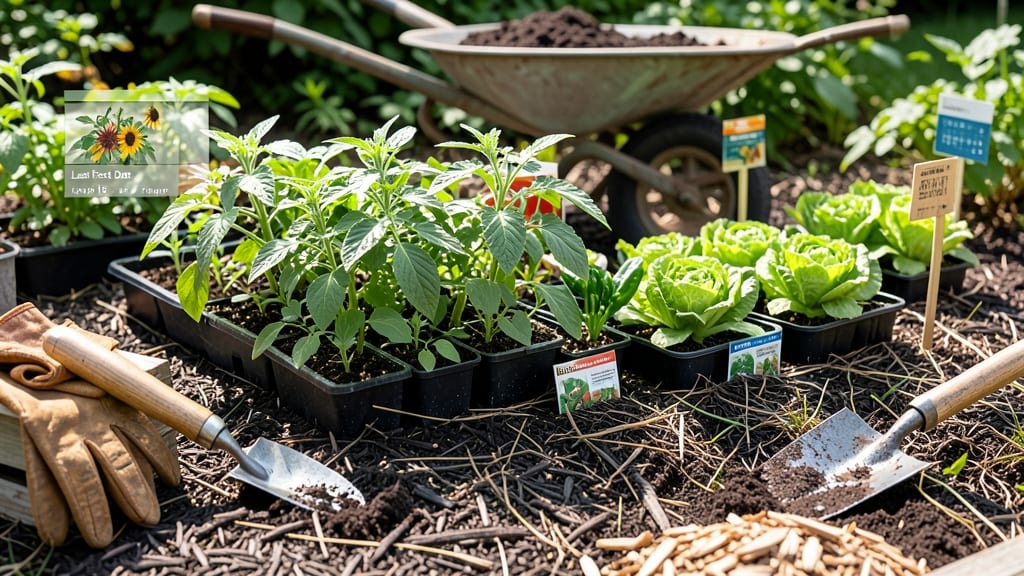
When to plant a garden in Kentucky can make all the difference between a thriving harvest and a disappointing one. With USDA Zones 6a-7a shaping your growing season, knowing the ideal timing is key to avoiding frost damage and maximizing yields. Whether you're dreaming of juicy tomatoes or vibrant flowers, getting the schedule right ensures success. Most Kentucky gardeners plant their cool-season crops like spinach and peas in early spring—think March to May—while warm-season favorites like peppers and basil wait until after the last frost, usually around mid-April. But here’s the catch: your exact planting window can shift depending on whether you're in northern Kentucky or closer to the Tennessee border, where microclimates play a big role. I’ve spent years perfecting the schedule for my own General Kentucky Garden 🌱, and I’ll show you exactly how to align your planting with Kentucky’s unique conditions. From soil prep to adjusting for late frosts, you’ll learn the tricks to keep your garden thriving all season long. Ready to turn your garden into a productive paradise? Let’s break down the perfect planting calendar so you can start strong and harvest like a pro.
Kentucky planting calendar by USDA Zone: exact dates for vegetables & herbs
Kentucky’s USDA Zones 6b-7a give you a 180-210 day frost-free season, but exact planting times vary by crop type and region. Northern areas like Lexington have later last frosts (April 15), while southern spots like Bowling Green can plant 2 weeks earlier (March 30).
Here’s your zone-specific schedule to avoid frost damage and maximize harvests.
For cool-season crops like spinach, peas, and lettuce, start seeds indoors 4-6 weeks before your last frost date. In Kentucky, that means late February to early March for most gardeners.
These hardy plants tolerate light frosts (28°F) and thrive when soil temperatures hit 40°F. Transplant seedlings outdoors 2-3 weeks before last frost for a head start.
Warm-season crops—think tomatoes, peppers, and basil—need soil temperatures above 60°F to germinate. Wait until 2-3 weeks after your last frost date (mid-April to early May in Kentucky) to plant these heat-lovers. Starting seeds indoors in late March gives them a jump, but avoid transplanting until nighttime temps stay above 55°F.
Don’t overlook fall planting—Kentucky’s mild winters let you grow cool-season crops until October. Sow spinach, radishes, and kale in late August to early September for harvests before the first frost (mid-October).
For a winter garden, use row covers to protect greens like collards and Swiss chard until December in Zone 7a.
Use a soil thermometer to confirm readiness—40°F for cool crops, 60°F for warm crops. In northern Kentucky (Zone 6b), wait until May 1 for heat-lovers, while southern Kentucky (Zone 7a) can plant 2 weeks earlier. Always check your local Cooperative Extension Service for microclimate adjustments.
Pro tip: Mark your calendar for April 15 (Zone 6b) and April 1 (Zone 7a) as your last frost date benchmarks. Plant warm-season crops 2-3 weeks after and cool
How to adjust planting times for Kentucky’s microclimates & soil conditions
Kentucky’s diverse geography means microclimates can shift planting windows by 2-3 weeks. Northern regions like Pine Mountain (Zone 6a) often experience later last frosts (late April), while southern areas like Bowling Green (Zone 7a) may see earlier frost-free dates (early April).
Always check your local Almanac frost dates or use a soil thermometer to confirm readiness.
Urban gardens in cities like Louisville face unique challenges: heat islands can push soil temps up faster, while shaded alleyways delay warming. Test soil temps—warm-season crops like tomatoes need 60°F+ soil before planting. For cool-season crops, 40-50°F is ideal, even if air temps are chilly.
Kentucky’s famous clay-heavy soils drain poorly, causing root rot or stunted growth. Amend beds with 2-3 inches of compost or sand before planting. Raised beds solve drainage issues entirely—ideal for tomatoes, peppers, and herbs that hate soggy roots.
Pro Tip: Plant cover crops like clover in fall to improve soil structure over winter.
Extend your season with row covers or cold frames.
These let you plant spinach, kale, and lettuce as early as February in Zone 7a or March in Zone 6a. For warm-season crops, use black plastic mulch to warm soil 2-3 weeks faster, letting you plant cucumbers or squash by mid-April instead of waiting for May.
High-altitude areas (e.g., Red River Gorge) have cooler microclimates. Adjust planting by 1-2 weeks later than lowland regions. For example, plant broccoli in late March (not early March) to avoid frost damage.
Use hardy varieties like 'De Cicco' radishes or 'Winter Density' kale, which tolerate 20°F temps.
Soil pH matters too! Kentucky’s soils often lean acidic (pH 5.5-6.5), but blueberries need pH 4.5-5.2.
Test your soil and amend with lime (to raise pH) or sulfur (to lower pH) 2-3 months before planting. Vegetables like tomatoes thrive at pH 6.0-6.8, while herbs like thyme prefer drier, slightly alkaline soil (pH 7.0+).
Finally, succession planting maximizes yields. After harvesting early peas or radishes in May, replant with bush beans or carrots—they’ll mature by July before fall sets in.
In September, add spinach or garlic for a winter harvest. With these adjustments, your Kentucky garden can produce year-round, even in short seasons.