
Planting
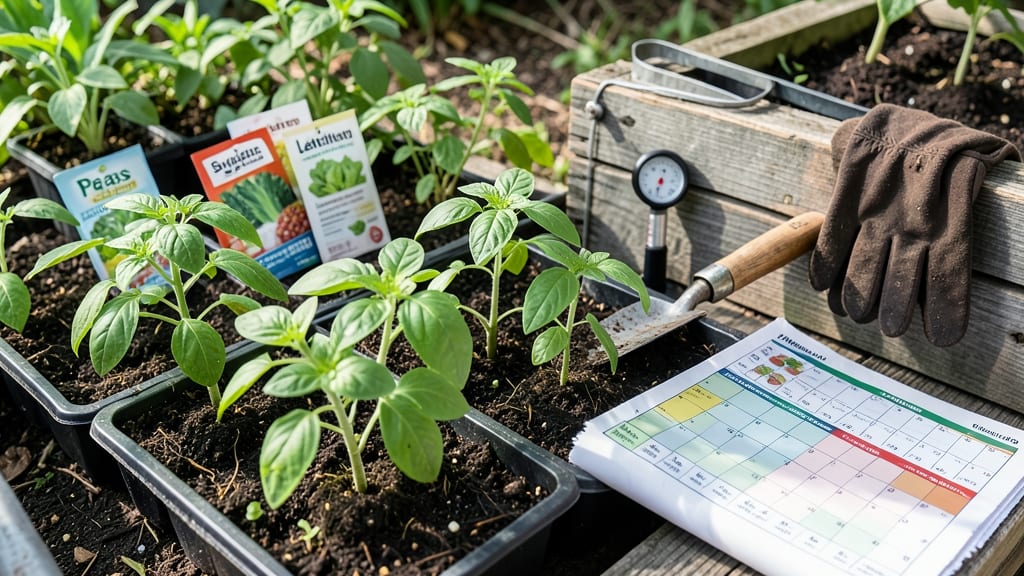
When to plant a garden in Washington State could mean the difference between a bountiful harvest and wasted effort. With 5 distinct microclimates—from the damp Puget Sound to the dry Columbia Basin—there’s no one-size-fits-all answer for when to plant your 🌱 garden. But get it right, and you’ll enjoy fresh veggies all season long, even with our famously unpredictable weather.
Most gardeners in Washington know the basics—like waiting until after the last frost—but what they don’t realize is that chill-hour requirements vary wildly across the state. Eastern Washington’s apple orchards need 1,200+ chill hours, while coastal strawberries thrive with just 300–500 hours.
Without the right timing, your plants might bolt too early or struggle to fruit at all.
This guide cuts through the confusion by breaking down the exact planting windows for your region, whether you’re in the rain-soaked West or the sunbaked East. You’ll learn how to match your crops to the season, avoid common mistakes, and even extend your growing season with simple tricks.
Let’s get your garden off to the best possible start.
Ready to turn your backyard into a productive oasis? We’ll walk you through everything—from the ideal months for direct sowing to the best crops for your microclimate—so you can plant with confidence. No more guessing games, just proven strategies tailored to Washington’s unique growing conditions.
Washington State planting zones by region: chill-hours and frost dates
Washington State’s climate varies dramatically from region to region, making timing everything for your garden. The Pacific Northwest’s cool, wet winters contrast sharply with the dry heat of Eastern Washington.
Understanding your chill-hour range and last frost dates is key to avoiding frost damage or wasted effort. Let’s break down the 5 key regions and their unique planting windows.
Each region has distinct frost patterns and chill-hour requirements. For example, Western WA (including Puget Sound) averages 1,200+ chill hours, while the Columbia Basin sees just 200–400 hours.
These differences dictate whether you can grow apples, cherries, or peaches—or if you’re better off with warm-season crops like tomatoes and peppers.
Below is a detailed comparison of Washington’s 5 primary gardening regions, including their last frost dates, chill-hour ranges, and ideal planting windows for both cool-season crops (like kale and peas) and warm-season crops (like beans and cucumbers).
Use this as your roadmap to maximize yields and avoid common mistakes.
| Region | Avg. Last Frost | Chill-Hours | Cool-Season Planting | Warm-Season Planting |
|---|---|---|---|---|
| Western WA (Olympia, Bellingham) | April 15–May 1 | 1,200–1,500+ | March–April (peas, spinach) | May 15–June 15 (tomatoes, peppers) |
| Puget Sound (Seattle, Tacoma) | April 1–April 15 | 1,000–1,300 | March–April (broccoli, lettuce) | May 1–June 1 (beans, squash) |
| Eastern WA (Spokane, Wenatchee) | May 1–May 15 | 600–900 | April–May (carrots, onions) | May 15–June 1 (corn, melons) |
| Columbia Basin (Richland, Pasco) | April 15–April 30 | 200–400 | Late March–April (spinach, radishes) | April 15–May 1 (early tomatoes, peppers) |
| Palouse (Pullman, Moscow) | May 1–May 10 | 300–500 | April–May (peas, lettuce) | May 10–June 1 (beans, cucumbers) |
If you’re in Western WA or Puget Sound, your longer chill hours mean you can grow fruit trees and berries that need 600+ hours of cold. In contrast, Eastern WA and the Columbia Basin are better suited for low-chill varieties like peaches or nectarines.
Always check your local WSU Extension office for microclimate adjustments—urban areas like Seattle can be 5–10°F warmer than rural zones.
For cool-season crops, aim to plant 4–6 weeks before your last frost date.
In Western WA, that’s March for spinach and peas, while Eastern WA gardeners can wait until late April. Warm-season crops like tomatoes and peppers need soil temperatures above 60°F, so hold off until after May 1 in most regions—except the Columbia Basin, where you can start 2 weeks earlier.
Pro tip
Best crops for Washington’s climate: matching chill-hours to plant varieties
Washington’s diverse chill-hour ranges (200–1,200+) mean some crops thrive in the mild Puget Sound while others need the harsh winters of the Palouse. Understanding these needs helps you pick the right plants for your region.
For example, apples and cherries love Eastern WA’s 600–800 chill-hours, while strawberries and raspberries do well in Western WA’s 300–500 chill-hours.
In the Puget Sound region, focus on cool-season crops like kale, spinach, and peas, which tolerate mild winters. Meanwhile, Eastern WA’s dry climate is perfect for drought-tolerant crops like sagebrush and Russian olive, but also supports heirloom tomatoes and peppers in summer.
The Columbia Basin excels with warm-season crops like melons and corn, thanks to its long, hot summers.
The Palouse’s colder winters demand hardy perennials like apricots and plums, which handle 1,000+ chill-hours. Even herbs like lavender thrive here, as they prefer cooler temperatures. Meanwhile, Western WA’s wetter climate is ideal for ferns and hostas, which love shade and moisture.
Here’s how to match your garden to Washington’s chill-hours:
- Strawberries (June-bearing varieties)
- Raspberries (Heritage variety)
- Blueberries (Half-High varieties)
- Kale and spinach (Cool-season greens)
- Heirloom tomatoes (Cherry and beefsteak types)
- Rainier cherries (Sweet varieties)
- Apples (Fuji, Gala)
- Peaches (Redhaven, Elberta)
- Drought-tolerant herbs (Rosemary, thyme)
- Corn (Sweet varieties like Silver Queen)
- Apricots (Blush varieties)
- Plums (Stanley, Methley)
- Lavender (English lavender)
- Hardy perennials (Daylilies, coneflowers)
- Winter wheat (For grain production)
Avoid planting tropical crops like citrus or bananas in Washington—they won’t survive our winters! Instead, opt for region-specific winners like Pacific Northwest natives (salal, sword fern) or adapted fruits (honeyberries in cooler zones). For example, honeyberries thrive in Puget Sound’s chill-hours but may struggle in the hotter Columbia Basin.
Pro tip: Use WSU Extension’s chill-hour calculator to fine-tune your selections. Pair cool-season crops with warm-season crops for year-round harvests, and always check local nurseries for region-tested varieties. Happy planting! 🌱