
Plants
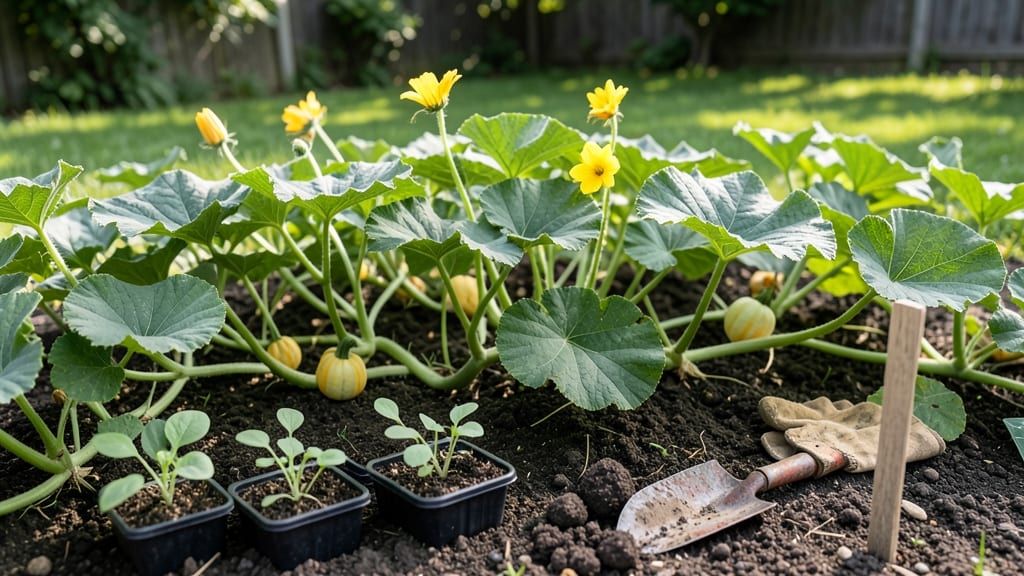
Timing your pumpkin planting in Illinois is the key to unlocking a harvest full of 🎃 jack-o'-lantern material or sweet, homegrown pies. With USDA zones 5a-6b bringing variable frost dates, getting those seeds in the ground at the right moment makes all the difference between thriving vines and wilted disappointment.
Most Illinois gardeners should aim to plant pumpkins between mid-April and early June, but your exact window depends on whether you're in northern, central, or southern Illinois. The last frost date shifts dramatically across the state—sometimes by weeks—so knowing your region's patterns is non-negotiable for success.
Here's the good news: with the right preparation, you can extend your growing season and even plant late varieties if needed. I'll walk you through soil temperature thresholds, frost-proofing strategies, and the best pumpkin varieties for Illinois' short but productive growing season.
Whether you're a first-time gardener or a seasoned pro, these insights will help you avoid common mistakes and maximize your pumpkin patch's potential. Let's get those seeds in the ground at the perfect moment for a harvest to remember.
Illinois pumpkin planting deadlines by USDA hardiness Zones (5-7)
Planting pumpkins in Illinois requires careful timing, as the state spans USDA Zones 5-7 with varying frost dates. Northern Illinois (Zone 5) has the shortest growing season, while Southern Illinois (Zone 7) enjoys a longer window.
Knowing your last frost date and soil temperature thresholds is key—pumpkin seeds need warm soil (60°F+) to germinate.
For most of Illinois, the ideal planting window is mid-April to early June, but this shifts based on your region. Northern Illinois gardeners should wait until after May 15 to avoid frost damage, while Southern Illinois can start as early as mid-April.
Always check your local frost-free date averages for precision.
Pumpkins thrive with 90-120 frost-free days to mature. Illinois’ growing season typically offers 165 frost-free days, but early frosts or late springs can cut this short.
Fast-maturing varieties (like Jack Be Little) are ideal for Zone 5, while standard varieties (like Howden) work well in Zones 6-7.
Here’s a quick reference for Illinois’ USDA Zones 5-7, including planting deadlines, soil temperature, and harvest windows:
| Zone | Last Frost Date (Avg.) | Planting Window | Soil Temp (Min.) | Harvest Window |
|---|---|---|---|---|
| 5 (Northern IL) | May 15 - June 1 | Mid-May to early June | 60°F+ | Late August - early October |
| 6 (Central IL) | April 20 - May 10 | Mid-April to early May | 60°F+ | Mid-August - late October |
| 7 (Southern IL) | March 30 - April 15 | Late March to mid-April | 60°F+ | Early August - November |
Use a soil thermometer to confirm soil is 60°F or warmer before planting. Cold soil delays germination and weakens seedlings. In Zone 5, consider using row covers or a cold frame to extend the season if planting early.
For direct-seeding, plant 1 inch deep in mounds of soil, spacing mounds 4-6 feet apart. Thin seedlings to 2-3 strong plants per mound once they’re 3 inches tall. This spacing gives vines room to sprawl and reduces disease risk.
If you’re transplanting seedlings, start them indoors 2-3 weeks before your last frost date. Harden them off by placing them outside for a few hours daily before transplanting. Seedlings should be 3-4 weeks old and have 2-3 true leaves when moved outdoors.
Remember, pumpkins need 90-120 days to mature, so calculate backward from your first frost date. For example, in Zone 6, planting by May 1 ensures harvest by mid-September before cooler weather sets in.
Always monitor local weather forecasts and adjust your planting timeline if late frosts or unseasonable warmth occur. Flexibility is key in Illinois’ variable climate!
How to adjust pumpkin planting for Illinois’ unpredictable weather
Illinois’ unpredictable spring frosts and early fall heatwaves can throw off even the best-laid pumpkin planting plans. If you’ve ever watched your seedlings shiver under late frost or wilt in a sudden heatwave, you know how quickly things can go wrong.
The key is flexibility—adjusting your planting timeline, protecting young plants, and choosing the right varieties to match your region’s quirks.
For gardeners in Northern Illinois (USDA Zone 5), where frosts can linger until mid-May, starting pumpkins indoors in late March gives you a head start. Use biodegradable pots so you can transplant seedlings without disturbing roots when soil warms.
In Central and Southern Illinois (Zones 6-7), where last frosts typically arrive by mid-April, direct sowing after Mother’s Day is safer—but always check your local frost-free date for precision.
Here’s my pro tip: Use row covers or frost cloth to shield young plants during late frosts. These lightweight fabrics let sunlight through while trapping heat—just remove them once temperatures stay above 50°F at night.
For early varieties, this can buy you an extra 2-3 weeks of growing time before summer’s heat peaks.
⚠️ Watch Out for These Weather Pitfalls
Late frosts after planting can kill seedlings in 48 hours—always have backup seeds ready. Heatwaves before harvest (common in July) can cause pumpkins to crack or rot—mulch heavily to keep soil cool. Drought stress in August often leads to blossom-end rot—water deeply 2-3 times per week during dry spells.
If your first frost arrives early (as it sometimes does in Northern Illinois), opt for fast-maturing varieties like ‘Jack Be Little’ (75 days) or ‘Small Sugar’ (80 days). These can still ripen before mid-October if planted by early June.
For Southern Illinois, where summers linger longer, you can even squeeze in a second planting in early July for a fall harvest—just choose heat-tolerant varieties like ‘Howden’.
Don’t forget to monitor soil temperatures—pumpkin seeds need soil at least 60°F to germinate. Use a soil thermometer ($10 at garden centers) to avoid planting too early.
If your soil stays cold, wait it out—rushing leads to poor germination. Patience here pays off with stronger vines and bigger pumpkins later.
Finally, mulch early and often to regulate soil temperature. Straw or shredded leaves help retain moisture during dry spells and insulate roots during late frosts. Aim for a 3-inch layer around plants, keeping it 6 inches away from stems to prevent rot.
This simple step can extend your harvest window by 1-2 weeks—worth the effort for that perfect Halloween pumpkin!