
Plants
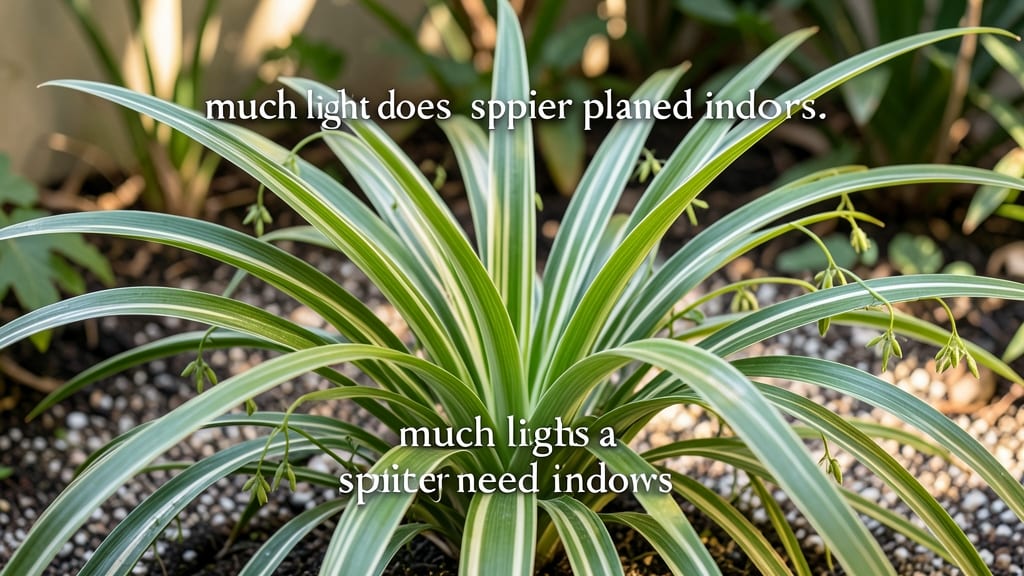
If you're wondering "how much light does a Spider Plant need indoors", the answer might surprise you—these resilient plants actually do just fine in conditions that would leave other houseplants struggling. 🕷️ Unlike fussy tropicals, Spider Plants adapt to low to medium brightness, making them perfect for busy homes where natural light is limited.
What most people don’t realize is that these hardy greens can thrive in spots where direct sunlight would scorch their leaves.
The key lies in understanding their natural flexibility—whether you’re dealing with a dim office corner or a bright kitchen nook, I’ll show you exactly how to strike the right balance for lush, striped foliage.
Let’s cut through the guesswork: I’ll walk you through how to spot signs of under- or over-exposure, where to place your plant for optimal growth, and even how to supplement light when your home falls short.
By the end, you’ll know exactly how to create the perfect indoor haven for your Spider Plant—no green thumb required.
Ready to transform those brown tips or leggy stems? The solution starts with light, and I’ve got all the practical tips to get your plant flourishing in no time. Let’s make your Spider Plant the star of your space!

Spider plant light requirements: ideal brightness levels for healthy growth
Spider plants (Chlorophytum comosum) are famously adaptable, but their light needs are the foundation of their health. Unlike sun-loving succulents, these plants thrive in bright indirect light, making them perfect for most indoor spaces.
Too little light leads to weak growth, while too much causes leaf burn—so finding that sweet spot is key.
Think of your spider plant’s ideal light as a gentle morning sun on a cloudy day. East-facing windows provide the perfect balance, while north-facing windows work well too. South or west windows can be too intense unless filtered through sheer curtains.
Here’s the breakdown: low light (under 10,000 lux) slows growth, medium light (10,000–20,000 lux) keeps them happy, and bright indirect light (20,000–30,000 lux) is ideal. Direct sunlight? That’s a no-go—it scorches those delicate variegated leaves.
🌱
| Light Level | Lux Range | Signs of Plant Health | Best Window Placement |
|---|---|---|---|
| Low Light | Under 10,000 lux | Leggy growth, sparse leaves, weak stems | North-facing or interior rooms |
| Medium Light | 10,000–20,000 lux | Compact growth, vibrant stripes, steady offsets | East or north-facing windows |
| Bright Indirect | 20,000–30,000 lux | Lush foliage, deep green/yellow stripes, frequent offsets | Filtered south or west light (sheer curtains) |
| Direct Sunlight | Over 30,000 lux | Brown patches, crispy edges, leaf burn | Avoid south/west windows without filters |
Notice how the medium light range aligns with east or north windows? That’s where your spider plant will produce the most offsets (those adorable baby plants).
If your leaves start stretching toward the light, it’s a cry for more brightness—try moving it closer to the window or supplementing with a grow light.
Pro tip: Rotate your plant quarter-turns every 2 weeks to ensure even growth. Uneven light exposure causes lopsided foliage, and spider plants hate looking like they’re leaning into a hug.
In winter, when natural light dims, watch for pale leaves or slowed growth. This is your cue to move the plant to a sunnier spot or add a 12-hour grow light cycle. Even a simple LED bulb can make a difference!
🕷️
Ever wondered why some spider plants grow faster than others? It’s often about light consistency. Sudden changes—like moving from a dim office to a bright kitchen—can shock the plant. Gradual adjustments over a week help them adapt without stress.
For variegated varieties (like ‘Variegatum’), bright indirect light enhances those stunning white stripes. Solid green types are more forgiving but still prefer medium light to maintain vibrant color. Think of light as the plant’s vitamin D—just enough keeps them thriving!
🌿
How to adjust your home’s lighting for a thriving spider plant
Your Spider Plant’s success starts with finding the right balance of indoor light conditions. Unlike high-maintenance plants, these adaptable greens thrive in spots most people overlook—like kitchens, bathrooms, or offices with indirect light. The trick? Mimicking their natural habitat under dappled forest shade while avoiding harsh direct rays.
If your home lacks natural light, don’t worry—Spider Plants are forgiving. Even in low-light offices, they’ll survive, though their growth may slow. For optimal results, aim for 4-6 hours of bright, indirect light daily.
This could mean placing them near an east-facing window (gentle morning sun) or a north-facing window (consistent, soft light).
🌱 Pro Tip: Rotate your plant quarter-turns every 2-3 weeks to prevent lopsided growth. This ensures even exposure and keeps those signature striped leaves symmetrical.
| Light Condition | Ideal Placement | Growth Impact |
|---|---|---|
| Bright Indirect (4-6 hrs) | East/West window, 2-3 ft away | Lush, vibrant leaves |
| Medium Indirect (2-4 hrs) | North window or 4-5 ft from bright window | Slow growth, smaller leaves |
| Low Light (<2 hrs) | Office corner, hallway | Survives but leggy, pale |
For rooms with minimal natural light, grow lights are a game-changer. A 10-15 watt LED grow bulb (cool white or full spectrum) placed 12-18 inches above your plant mimics sunlight beautifully.
Run it for 8-10 hours daily to compensate for short winter days. I’ve seen Spider Plants in dim basements thrive under these conditions!
Seasonal shifts matter too. In winter, when days shorten, move your plant closer to the window or supplement with a grow light. Conversely, in summer, watch for afternoon sun—even indirect rays can scorch leaves. A sheer curtain acts as a buffer if you’re near a south-facing window.
💡 Lighting Hack: Place your Spider Plant on a rotating plant stand ($20 on Amazon) to automate quarter-turns. This ensures even growth without manual effort—perfect for busy plant parents!