
Plants
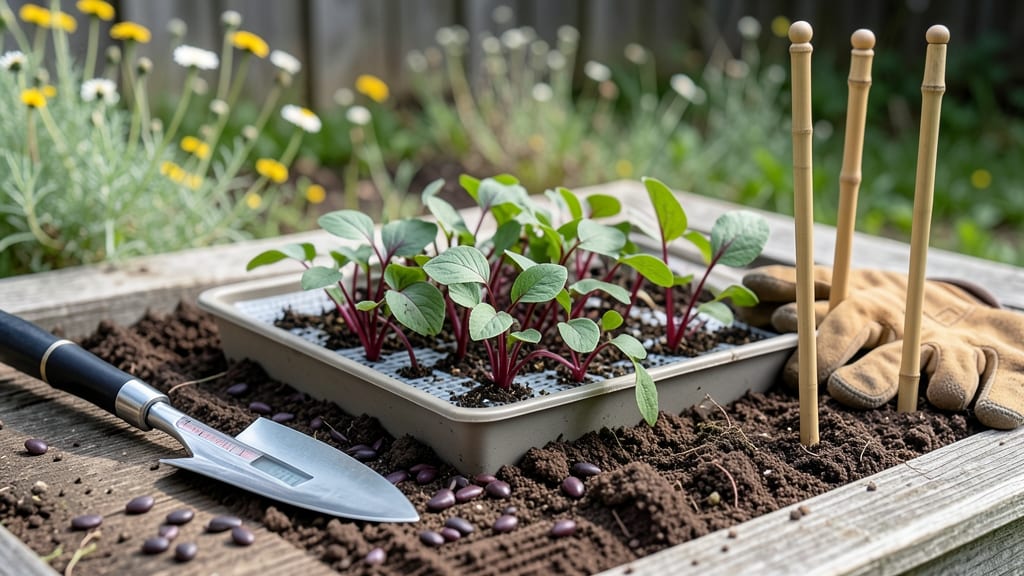
Timing your 🍠 beet planting in Minnesota can feel like playing a high-stakes game of chance—get it wrong, and you’ll end up with bitter greens or stunted roots instead of the sweet harvest you’re after.
The key to success lies in understanding your local frost dates and soil conditions, which can shift dramatically from one year to the next.
Most Minnesota gardeners know beets thrive in cooler weather, but planting them too early risks frost damage, while waiting too long can lead to bolting before you even get a chance to harvest.
Whether you’re in USDA Zone 4a or 5a, the ideal window opens in late April for early spring plantings or early August for a late-summer crop.
In this guide, I’ll break down the exact frost-free timeline for Minnesota, including how to prepare your soil and stagger plantings for a continuous harvest.
You’ll learn which varieties hold up best in your climate and how to avoid common mistakes that ruin beet harvests—so you can enjoy crisp, flavorful roots from June through October.
Ready to master the art of beet-growing in Minnesota? Let’s dive into the strategies that will turn your garden into a beet bonanza, no matter how unpredictable the weather gets.
Minnesota beet planting dates by hardiness Zone (with frost risk charts)
Minnesota’s USDA Zones 3-5 create distinct planting windows for beets, but the key is soil temperature—seeds need 45°F+ to sprout. In Zone 4 (most of the state), aim for late April to early May for spring plantings, while Zone 5 areas can start 2-3 weeks earlier.
Summer plantings should begin by early August to harvest before frost.
Your last frost date (typically mid-May) and first frost date (usually mid-October) dictate your frost-free window. Beets thrive in cool weather, so late summer plantings (August) can produce sweeter roots before cold sets in. Use these zone-specific guidelines to align your schedule with Minnesota’s climate.
🌱 PRO TIP: Check your local frost date averages using the MN State Climatology Office or Almanac’s frost calculator. For example, Duluth (Zone 3) has a longer frost-free window than Minneapolis (Zone 4), so adjust accordingly.
| Zone | Avg. Last Frost | Spring Planting Window | Summer Planting Window | Soil Temp. Requirement | Heat-Tolerant Varieties |
|---|---|---|---|---|---|
| Zone 3 (North MN) | May 20 | Late May - Early June | Early August | 45°F+ | Detroit Dark Red |
| Zone 4 (Central MN) | May 10 | Late April - Early May | Late July - Early August | 45°F+ | Chioggia (Gold Beet) |
| Zone 5 (South MN) | April 25 | Early April - Late April | Mid-July - Late July | 40°F+ | Baby Beet Mix |
For Zone 4 gardeners (the majority of Minnesota), late April is ideal for spring plantings because soil temperatures typically hit 45°F+ by then. If you plant too early, seeds may rot in cold, wet soil. Use a soil thermometer to confirm readiness—50°F+ speeds up germination.
Summer plantings are critical for late-season harvests. In Zone 4-5, sow seeds by early August to ensure roots mature before first frost. Varieties like Detroit Dark Red handle warmer soils better than Chioggia, which bolts faster in heat.
🌡️ WARNING: Avoid planting when nighttime temps dip below 50°F—this stresses seedlings. Use row covers or cold frames in Zone 3 to extend your spring planting window by 2-3 weeks.
Minnesota’s short growing season means succession planting is key. Plant every 2-3 weeks from April to August to avoid bolting (when beets flower prematurely). This strategy ensures a continuous harvest from June to October, even in cooler zones.
If you’re in Zone 5 (southern MN), you can push early spring plantings to late March under row covers. However, Zone 3 gardeners should wait until late May to avoid frost damage. Always check 7-day forecasts before planting—unpredictable late frosts can wipe out tender seedlings.
For container growing, start seeds indoors 4-6 weeks before your last frost date (e.g., early April for Zone 4). Use heat mats to maintain 60°F+ soil temps for faster germination. Containers warm up quicker than garden beds, so adjust your planting timeline accordingly.
Finally, soil preparation is non-negotiable.
How to stagger beet plantings for continuous harvests in Minnesota’s short season
Minnesota’s short growing season means one planting won’t cut it—you need a successive planting strategy to enjoy fresh beets from summer through fall. By spacing out plantings every 2-3 weeks, you’ll avoid bolting (when beets flower prematurely) and ensure a steady supply of tender roots.
This method works especially well for Detroit Dark Red, Chioggia, and baby beets, which mature faster.
Start your first planting in late April to early May, when soil temperatures hit 45°F+. Then, repeat every 2 weeks until mid-July to maximize your harvest window.
This staggered approach lets you enjoy beets from June through October, even in Minnesota’s cooler climate. For example, a 3-phase planting schedule could yield 3-4 harvests before frost.
Here’s how to plan it: Phase 1 (late April) gives you summer harvests, Phase 2 (mid-May) extends into early fall, and Phase 3 (late June) ensures a late-season bounty.
Use heat-tolerant varieties like Crimson Globe for later plantings to avoid bolting in summer’s heat. Always thin seedlings to 3-4 inches apart to prevent overcrowding, which stunts root growth.
- Phase 1: Late April – Early May ➤ Harvest June–July
- Phase 2: Mid-May – Early June ➤ Harvest July–August
- Phase 3: Late June – Early July ➤ Harvest September–October
For baby beets, which mature in just 40-50 days, you can even squeeze in an extra planting in early August for a fall harvest before frost. These quick-maturing varieties are perfect for container gardening or small spaces.
Just be sure to use row covers if a late frost threatens, as baby beets are more sensitive to cold than mature roots.
Another key to success is soil preparation. Amend your beds with compost or aged manure before planting to ensure rich, loose soil. Beets hate compacted or rocky soil, which leads to misshapen roots.
If your soil drains poorly, mix in sand or perlite to improve texture. Mulch with straw or grass clippings to retain moisture and suppress weeds, which is especially important in Minnesota’s dry spells.
Finally, don’t forget to harvest regularly to encourage more production. Beets left in the ground too long become woody and tough, especially in Minnesota’s cool fall temperatures. Pull roots when they’re 1-3 inches in diameter for the sweetest flavor.
Store extras in a cool, dark place for up to 2 weeks, or preserve them by pickling or roasting for later enjoyment.