
Plants
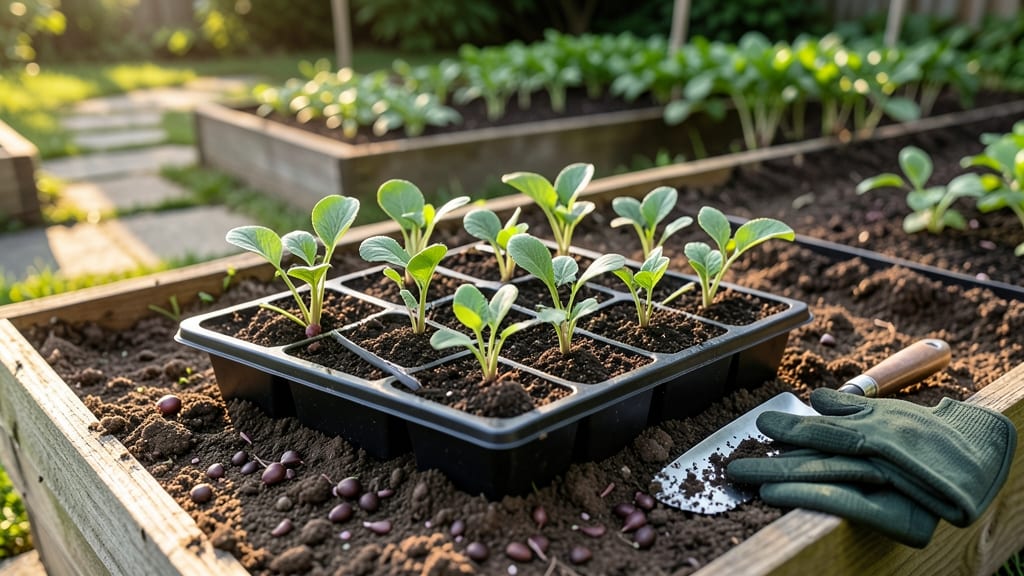
If you’ve ever struggled with when to plant beets in SC, you’re not alone—getting the timing wrong can mean tough, woody roots or bolting before harvest.
In South Carolina’s Zone 7B-8B, the key is planting 4-6 weeks before your last frost (usually mid-March) for spring beets, while fall plantings in August-September let you enjoy fresh 🟣 harvests through November.
Here’s the secret: Beets thrive in cooler weather, but South Carolina’s humidity and heat can turn them bitter if planted too late. By following the frost-free timeline, you’ll avoid common pitfalls like overcrowding or pests that love SC’s warm nights.
Whether you’re a first-time gardener or a seasoned grower, these zone-specific tips will help you maximize your harvest.
Ready to grow sweet, tender beets all season? I’ll walk you through the exact planting windows, soil prep, and even how to stretch your harvest with succession planting. No more guesswork—just delicious, homegrown 🟣 roots from spring to fall.
Let’s dive into the perfect timing for your South Carolina garden so you can enjoy beets from June to December without the stress.
South Carolina beet planting calendar: zone 7B vs 8B frost dates
South Carolina’s humid subtropical climate creates unique challenges for beet growers. In Zone 7B, average last frost dates arrive around March 15-20, while Zone 8B enjoys frost-free conditions by March 1-10.
These differences mean your planting timeline should account for 10-14 days of variation between zones. Beets thrive in 50-85°F soil temperatures, so wait until soil warms consistently above 50°F before sowing.
For spring plantings, aim to sow seeds 4-6 weeks before your last frost date. This gives young seedlings time to establish roots before summer heat arrives. In Zone 7B, that means starting seeds indoors by mid-February or direct-sowing by late March.
Zone 8B gardeners can begin direct sowing as early as February 15 for an earlier harvest.
Don’t overlook fall plantings—they often produce sweeter beets! Sow seeds 8-10 weeks before first frost (around August 15-25 in both zones). Fall crops benefit from cooler temperatures and avoid the bolting risk of summer heat.
Remember: beets store well in cool, dark conditions, making them perfect for winter harvests.
Here’s your customized planting timeline for South Carolina’s two zones, including soil temperature thresholds and frost-free windows:
For succession planting, sow new seeds every 2-3 weeks during spring and fall to ensure a continuous harvest. In Zone 8B, you can even try a winter planting in December for early spring harvests—just use row covers to protect tender seedlings from occasional cold snaps.
Pro tip: Use a soil thermometer to verify temperatures before planting. Beets won’t germinate well below 50°F, even if frost risk has passed. In Zone 7B, morning frost can linger until April 15, so always check your local microclimate—valleys stay colder than hilltops.
Remember that humidity levels in South Carolina can accelerate fungal diseases like leaf spot. Space your beet plants 3-4 inches apart and thin seedlings to 2-3 inches for better airflow. This spacing also helps prevent bolting—a common issue when plants feel crowded or stressed.
Save your best beet seeds for next year! Let beets mature fully on the plant before harvesting for seed. The tops will turn yellow and flop over—this signals it’s time to pull and dry the roots for seed saving.
Store dried seeds in a cool, dark place for up to 3 years.
With these zone-specific timing tips, you’ll avoid the two biggest beet-growing mistakes in South Carolina: planting too early and risking frost damage, or waiting too long and dealing with heat-stressed, bolting plants. Stick to this schedule, and you’ll enjoy homegrown beets from June through December!
How to extend your beet harvest season in SC’s heat
South Carolina’s summer heat can turn your beets bitter and cause them to bolt prematurely—but with the right strategies, you can enjoy fresh harvests all season. The key is heat-tolerant varieties, shade management, and soil moisture control.
Start by selecting ‘Detroit Dark Red’ or ‘Golden’ varieties, which handle heat better than standard types. These varieties thrive even when temperatures climb above 85°F, making them perfect for late summer and fall plantings.
To protect your beets from bolting, use shade cloth (30-50%) during the hottest afternoons, especially in Zone 8B where humidity intensifies heat stress. Install the cloth over your rows by early June and remove it in late August to avoid stunting growth.
Pair this with drip irrigation to keep soil consistently moist—beets need 1 inch of water per week, but never soggy soil, which invites rot in SC’s humid climate.
For a fall harvest, start succession planting in late July and August—this ensures you avoid the brutal summer heat while still capturing cooler autumn temperatures. Space seeds 1-2 inches apart in rows 12 inches apart, and thin seedlings to 3-4 inches apart once they’re 2 inches tall.
This spacing improves airflow and reduces disease risk in SC’s damp conditions.
Don’t forget to mulch with straw or shredded leaves to lock in moisture and regulate soil temperature. In Zone 7B, where nights are cooler, you can push harvests into early November, while Zone 8B gardeners may extend harvests until December with proper protection.
Always harvest beets when roots reach 1-2 inches in diameter—this ensures tender, sweet flavors before the tops become tough.
If you’re growing beets for storage, wait until the first light frost (around mid-November) to pull them. Cure roots in a cool, dark place for 2-3 days before storing in a root cellar or fridge.
This method keeps beets fresh for up to 3 months, giving you homegrown goodness even in winter.
With these strategies, you can enjoy three harvest cycles in SC: early spring, late summer, and fall. The secret? Timing, shade, and moisture**—master these, and your beets will thrive even in the heat! 🌱