Plants
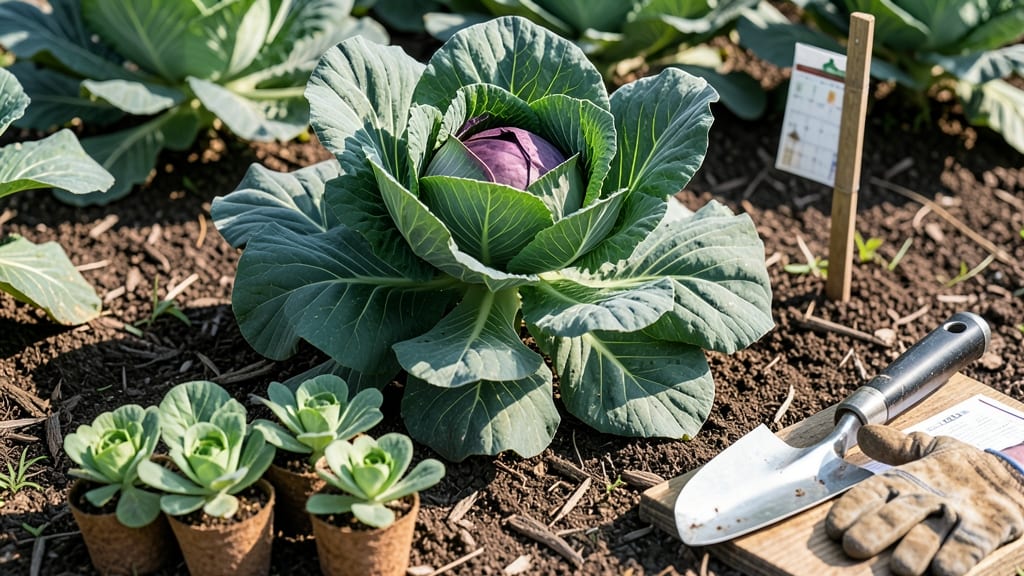
Planting your 🥬 cabbage at the right time in Illinois isn't just about luck—it's the secret to a bountiful harvest. With the state's shifting frost dates and unpredictable weather, getting the timing wrong can leave you with bolted greens instead of head-sized cabbage.
Most Illinois gardeners know cabbage thrives in cool weather, but did you know the perfect planting window varies by region? Whether you're in Chicago's Zone 5 or St. Louis's Zone 7, understanding your local frost dates is the key to success.
I'll walk you through exactly when to start seeds indoors and when to transplant outdoors for both spring and fall harvests.
The good news is that Illinois' growing seasons actually give you two prime opportunities to grow cabbage—spring and fall. But there's a catch: getting the timing just right means avoiding both late frosts and early heatwaves that can ruin your crop.
Let me show you how to calculate your frost dates and adjust your planting schedule for maximum success.
Even experienced gardeners make mistakes with cabbage timing, but with these proven strategies, you'll learn how to extend your harvest window and grow cabbage that's perfect for coleslaw, stir-fries, or braising. Ready to transform your garden into a cabbage powerhouse?
Illinois cabbage planting calendar: frost dates by region
Cabbage thrives in cool weather, making Illinois' spring and fall seasons perfect for planting. But with three distinct climate zones, timing varies dramatically—from Chicago's chilly north to St. Louis's milder south. Let’s break down the optimal planting windows based on your region’s average last frost dates.
First, check your local frost dates using the Illinois State Water Survey’s frost calculator. Most Illinois gardeners fall into USDA Zones 5-7, where mid-April marks the last frost in northern areas, while southern regions may see late March as the cutoff.
For fall planting, aim for 8-10 weeks before your first frost, typically mid-July to early August.
Here’s how to align your planting with Illinois’ regional frost patterns for two harvest seasons—spring and fall—using a summary-table for quick reference.
| Region | Last Frost Date | First Frost Date | Spring Planting Window | Fall Planting Window |
|---|---|---|---|---|
| Northern Illinois (Chicago) | Mid-April | Mid-October | March 15–April 15 | July 15–August 15 |
| Central Illinois (Springfield) | Late March | Late October | March 1–April 10 | July 1–August 10 |
| Southern Illinois (St. Louis) | Early March | Early November | February 15–March 31 | June 15–July 31 |
*Adjust dates 1-2 weeks earlier/later based on microclimates or weather forecasts.
For spring planting, start seeds indoors 4-6 weeks before your last frost date. In Illinois, this means mid-February to early March for northern regions and January to February for southern areas. Transplant seedlings outdoors once soil temperatures hit 45°F and all frost risk has passed.
Fall planting requires earlier action. Begin seeds indoors 8-10 weeks before your first frost date, which translates to mid-May to early June for most of Illinois. Transplant seedlings outdoors in late July to early August to ensure heads mature before winter sets in.
Pro tip: Use row covers or cold frames to extend your growing season by 2-4 weeks in both spring and fall. This is especially useful in Zone 5 areas like Chicago, where late frosts can delay planting.
If you’re unsure about your local frost dates, the Old Farmer’s Almanac or your local Cooperative Extension office can provide region-specific guidance. For example, Chicago’s frost dates often run 1-2 weeks later than Springfield’s, so adjust accordingly.
Remember, cabbage prefers cool soil (ideal temperature: 50-75°F). Planting too early in cold soil can stunt growth, while planting too late risks bolting (premature flowering) as temperatures rise. Balance is key!
Best cabbage varieties for Illinois climate and planting times
Choosing the right cabbage varieties for Illinois ensures your plants thrive despite the state’s variable temperatures and short growing seasons. Some types handle heat better, while others mature faster for early harvests. Let’s explore the top picks for your garden.
For spring planting, opt for varieties like Golden Acre or Early Jersey Wakefield, which mature in 60-70 days. These are perfect for cool-season growth and can handle light frosts.
In contrast, Red Express or Savoy cabbage are better suited for fall planting, as they tolerate mild heat and produce heads later in the season.
If you’re growing in urban gardens with limited space, consider dwarf varieties like Miniature Drumhead. These stay compact (8-12 inches tall) and work well in containers or small plots. For larger plots, standard varieties like Copenhagen Market yield bigger heads but need more room.
| Variety | Days to Mature | Best Season | Notes |
|---|---|---|---|
| Golden Acre | 60-70 | Spring/Fall | Heat-tolerant, great for containers |
| Red Express | 70-80 | Fall | Deep purple-red heads, cold-hardy |
| Savoy | 80-90 | Spring/Fall | Crinkled leaves, disease-resistant |
| Miniature Drumhead | 50-60 | Spring/Fall | Dwarf variety, ideal for small spaces |
Deciding between direct sowing and transplanting depends on your timeline. For spring cabbage, start seeds indoors 4-6 weeks before the last frost date, then transplant seedlings when soil temps hit 45°F. For fall crops, direct-sow seeds 8-10 weeks before the first frost for a late-season harvest.
If you’re in Southern Illinois, where summers are hotter, prioritize shade-tolerant varieties like Savoy or Red Express. In Northern Illinois, focus on early-maturing types to avoid bolting (premature flowering) from heat stress. Always check seed packets for days to maturity to align with your frost dates.
Pro tip: Mix varieties in your garden for a staggered harvest. Plant Golden Acre in early spring, Red Express in late summer, and Miniature Drumhead in containers for balcony gardens. This way, you’ll enjoy fresh cabbage from June through November!