
Trees
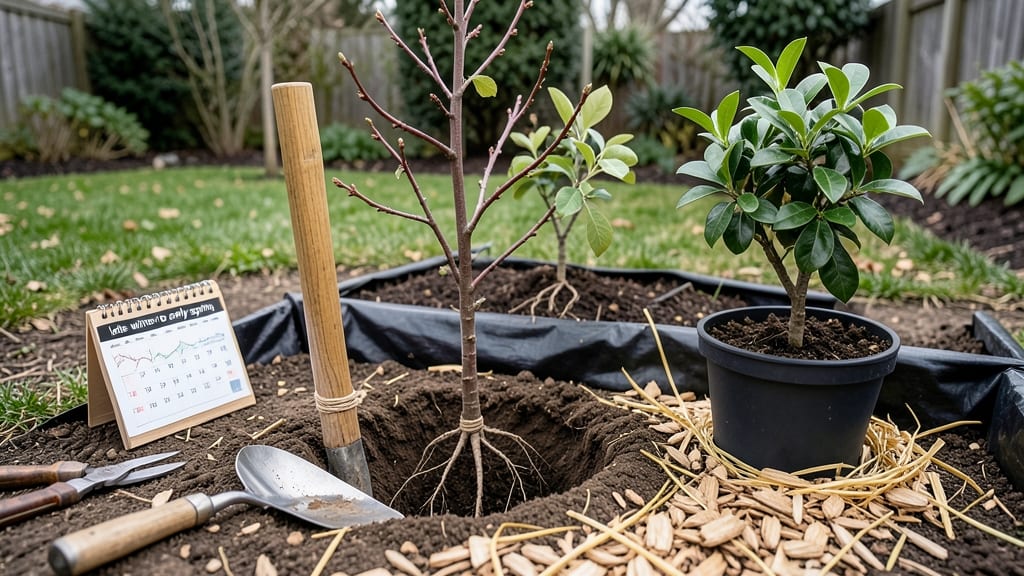
Timing matters when it comes to planting fruit trees in SC—get it wrong, and you might be waiting years for that sweet harvest. 🍎 The best window for establishing strong roots and thriving trees is late winter to early spring, when the soil is workable but the heat hasn’t arrived yet.
Why does this matter? South Carolina’s 7a-9a zones mean frost can linger until mid-March, while summer heat arrives early. Planting too late risks stressing young trees, while planting too soon can expose them to cold damage.
The key is finding that sweet spot where roots can grow before the real heat sets in.
If you’re dreaming of juicy peaches or crisp apples, you’ll want to focus on February to March for most varieties. But citrus and figs have different needs—we’ll break down the specifics so you don’t waste time or money on the wrong schedule.
Let’s dive into exactly when to plant for your zone, plus soil prep tips to ensure your fruit trees take root like a pro. No more guessing—just a foolproof plan for a bountiful orchard.
Best planting months for fruit trees in SC by hardiness zones (6b-8a)
South Carolina’s USDA Zones 6b-8a create unique challenges for fruit tree growers. Unlike northern states, we don’t have long winters to establish roots—so timing matters more than you might think.
The ideal window for planting most fruit trees is late winter through early spring, specifically February to March, before buds swell but after the worst frost threats have passed.
This timing ensures your tree’s roots establish before summer heat arrives, when water stress becomes critical. Coastal areas (Zone 8a) can plant slightly later—March to early April—while inland Piedmont regions (Zone 6b-7a) should aim for February to early March to avoid late frosts that can damage new growth.
Bare-root trees (common in nurseries) thrive when planted dormant, while container-grown trees offer more flexibility. For container-grown varieties, you can extend planting into early fall (September-October), but avoid planting after October 15 to prevent root shock before winter dormancy.
🌱
📋 Fruit Tree Planting Timeline for SC
| Zone | Best Planting Month | Tree Type | Notes |
|---|---|---|---|
| 6b (Piedmont) | February-March | Peach, Apple, Pear | Avoid late frosts; mulch heavily. |
| 7a (Upstate) | Late Feb-April | Fig, Persimmon, Blueberry | Container-grown OK until April 15. |
| 8a (Coastal) | March-April | Citrus, Avocado, Loquat | Avoid summer planting; heat stress risk. |
| All Zones | September-October | Container-Grown Only | Must establish roots before winter. |
Citrus trees and other tropical varieties (like avocados) need special attention. These should only be planted in Zone 8a or warmer, and never after April 30.
The heat and humidity of SC summers can overwhelm young roots, so container-grown citrus planted in spring must be deep-watered weekly for the first year.
For stone fruits (peaches, plums, cherries), the February window is critical. These trees bloom early, and planting too late risks frost damage to flowers before fruit sets. If you miss February, wait until November for bare-root planting, but this is riskier due to winter moisture fluctuations.
🌿
One common mistake is planting container-grown trees in summer. While it’s possible, the heat stress and limited root zone in small pots mean 50% lower survival rates compared to spring planting.
If you must plant in summer, choose overcast days, remove the container, and water deeply every 3 days for the first month.
Pro tip: Check your local Cooperative Extension Service for microclimate adjustments. For example, Charleston’s Zone 8a coastal areas can support late April plantings of heat-tolerant varieties like figs or persimmons, while Greenville’s Zone 7b Piedmont requires earlier timing.
✂️
How to time fruit tree planting for maximum root establishment before summer heat
South Carolina’s humid summers and intense heat can stress young fruit trees if planted at the wrong time. The key to success is establishing strong root systems before the growing season peaks—typically by late spring.
Planting too late risks transplant shock and slow recovery, while planting too early exposes roots to winter cold or early frost.
For most fruit trees, the ideal window is 4-6 weeks before your region’s last frost date. In South Carolina, this usually means February to early March for bare-root trees and late March to April for container-grown varieties.
This timing allows roots to acclimate and spread before summer’s heat arrives, ensuring your tree enters dormancy next winter with a robust foundation.
🌱 Critical Tip: If you must plant in late spring, prioritize container-grown trees with established root balls—they handle heat stress better than bare-root varieties.
⚠️ Avoid These Planting Mistakes
- Planting in summer: Roots can’t establish in 90°F+ soil—transplant shock risk rises sharply.
- Skipping soil prep: Compacted or poorly-draining soil strangles young roots.
- Ignoring mulch: Without 3-4 inches of mulch, soil stays too hot and dries out.
Pro Tip: Water deeply 2-3 times weekly for the first 60 days post-planting to encourage root growth.
Before planting, test your soil’s pH—most fruit trees thrive in slightly acidic to neutral soil (6.0-7.0). Amend with compost or peat moss if needed, and avoid fresh manure, which can burn roots.
Dig a broad, shallow hole (twice as wide as the root ball) to minimize root disturbance during planting.
Once planted, water thoroughly to eliminate air pockets, then mulch heavily with wood chips or straw to retain moisture and regulate soil temperature. Keep the mulch 2-3 inches away from the trunk to prevent rot.
Young trees need consistent moisture, so monitor soil 1-2 inches deep—it should stay evenly damp but not soggy.
If you’re in Zone 8a (coastal SC), where winters are milder, you can extend planting into early April. However, avoid planting after May—the heat and humidity create ideal conditions for fungal diseases like root rot.
For citrus trees, which are evergreen and frost-sensitive, plant in late winter (February) to give roots time to establish before summer’s peak.
Remember: A well-timed planting gives your fruit tree a 3-year head start on maturity. With the right prep, your tree will bear fruit sooner and handle South Carolina’s climate with ease. 🌳