
Trees
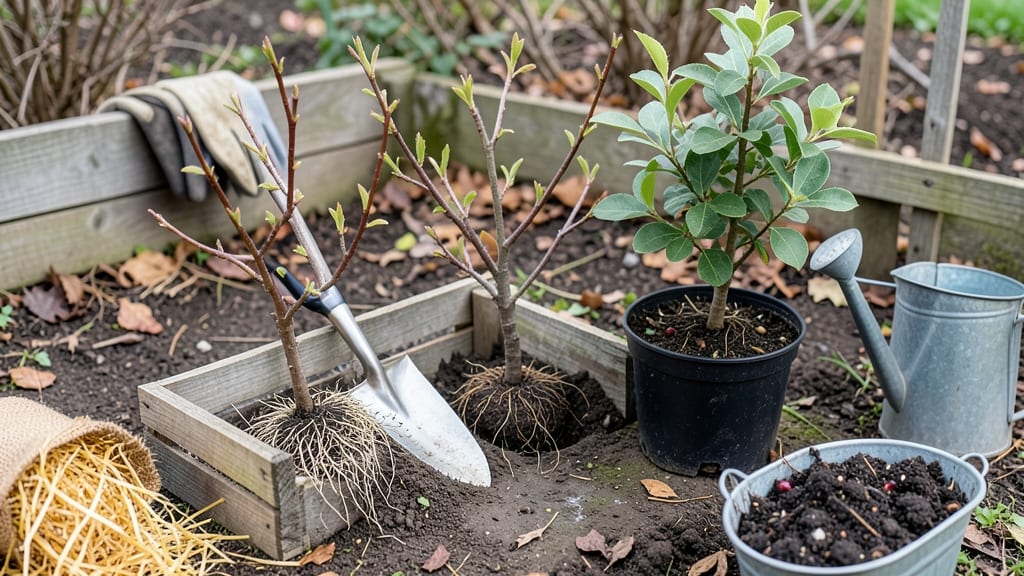
Timing your fruit tree 🌳 planting in Zone 6 could mean the difference between a thriving orchard and a frost-killed sapling—so getting those roots established before the first hard frost is everything.
Most gardeners in Zone 6a-6b know spring and fall are the prime windows, but the exact timing varies based on your last frost date and soil temperature. Planting too early risks cold stress, while waiting too long leaves your tree vulnerable to winter's chill.
In this guide, I’ll break down the ideal months for planting different fruit tree varieties—whether you’re working with apples, peaches, or cherries—and how to adjust for your specific microclimate.
You’ll also discover how to prepare your soil, choose the right planting method (bare-root vs. container), and avoid the 5 critical mistakes that sabotage even the most well-intentioned gardeners.

Optimal planting windows for fruit trees in Zone 6 by variety type
Zone 6 gardeners face a critical decision: spring vs. fall planting for fruit trees. The best time depends on your tree's dormancy needs and soil temperature triggers.
Most deciduous varieties like apples and peaches thrive when planted in early spring (March-April) or fall (September-October), while evergreens like figs prefer late spring to avoid winter stress.
For bare-root trees, spring planting gives roots 6-8 weeks to establish before summer heat. Fall planting works if done 6 weeks before your first frost date—typically by mid-October in Zone 6. Container-grown trees offer more flexibility but still need workable soil (40-50°F) and moisture retention.
| Variety | Best Planting Window | Soil Temp Requirement | Key Consideration |
|---|---|---|---|
| Apples (Malus domestica) | Early spring (March-April) or fall (Sept-Oct) | 40-50°F | Cross-pollination needed |
| Peaches (Prunus persica) | Early spring (March-April) | 45-55°F | Avoid late fall (susceptible to frost damage) |
| Cherries (Prunus avium) | Early spring (March-April) | 40-50°F | Sweet cherries need 2 varieties for pollination |
| Figs (Ficus carica) | Late spring (May-June) | 55-65°F | Frost-sensitive; protect young trees |
| Plums (Prunus domestica) | Early spring or fall | 40-50°F | Self-pollinating varieties available |
Evergreen fruit trees like figs and citrus (if grown in containers) demand warmer soil—wait until late spring (May-June) when nighttime temps stay above 55°F. These varieties can't tolerate Zone 6 winters outdoors unless heavily insulated or potted for winter storage.
My top recommendation for Zone 6 gardeners? Apples and peaches planted in early spring give the best balance of root establishment and summer growth. For fall planting, prioritize dwarf varieties—they establish faster and are less vulnerable to winter heaving.
Pro tip: Check your local last frost date (usually mid-April in Zone 6) and count backward 6-8 weeks for bare-root planting. Container-grown trees can handle slightly later transplanting since their roots won't dry out as quickly.
Regional variations matter! Northern Zone 6 (6a) areas like Chicago or Buffalo may need to plant 1-2 weeks later than southern Zone 6 (6b) like Atlanta or Nashville. Always verify with your local cooperative extension service for precise microclimate data.
Container planting extends your window—just ensure pots are at least 18 inches deep and use well-draining soil with 50% organic matter. This method lets you plant figs or citrus in spring and move containers indoors before frost.
Remember: Root growth is your priority. A tree with 6-8 weeks of root establishment before summer heat or winter dormancy will outperform one planted at the last minute. Don't rush! 🌱
Zone 6 frost dates by month: how to time planting for maximum root establishment
Understanding Zone 6 frost dates is the key to successful fruit tree planting. In this region, the last spring frost typically arrives around April 15, while the first fall frost hits near October 15.
These dates create a 6-8 week window before winter sets in, giving roots time to establish before dormancy.
For bare-root trees, aim to plant between March 15 and April 15—this aligns with soil temperatures reaching 40-50°F, ideal for root growth. Container-grown trees can handle slightly later planting, but never after May 1 to avoid heat stress during transplant.
Here’s how to use frost dates to your advantage:
Microclimates matter! Urban areas may frost 1-2 weeks later than rural zones, while valleys freeze earlier. Check the USDA Plant Hardiness Zone Map for your exact location—even a Zone 6a vs. 6b difference can shift planting by 7-10 days.
Pro tip: Use row covers or circulation fans to protect young trees if late frosts threaten. Mulch with wood chips (3-4 inches deep) to insulate roots during fall planting—this mimics natural forest conditions and reduces temperature swings.
For stone fruits (peaches, cherries), plant 2 weeks earlier than apples or pears—they’re more frost-sensitive. Adjust your calendar by checking your local cooperative extension service for hyper-local frost data.