
Trees
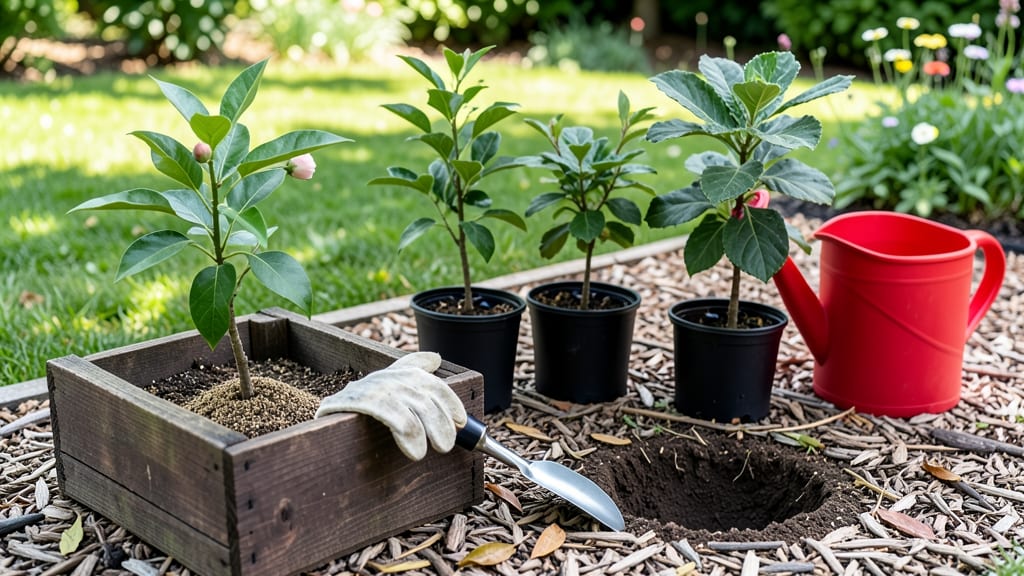
Timing your fruit trees 🍎 planting in Zone 8b could make or break your harvest—get it wrong, and you risk stunted growth, poor fruit set, or even tree death.
I’ve seen gardeners in Zone 8b struggle with transplant shock because they planted too early or too late, but the key is understanding how soil temperatures and dormancy cycles work in your specific microclimate.
Whether you’re planting peaches, citrus, or figs, the right window ensures strong root establishment before summer’s heat kicks in.
In this guide, I’ll break down the ideal months for planting in Zone 8b—when to dig in those bare-root saplings for maximum success—and why early spring (February-March) is your best bet.
You’ll also learn how to adjust for coastal vs. inland conditions and which varieties thrive when planted at the perfect time.
Ready to set your fruit trees up for years of bountiful harvests? Let’s get started with the science-backed planting schedule that works for Zone 8b.

Best planting months for fruit trees in Zone 8b: science-backed timing
Zone 8b gardeners have a golden window for planting fruit trees that maximizes root growth and fruit production. Unlike colder zones, our mild winters and warm springs create unique timing challenges.
Planting at the wrong time can lead to transplant shock or stunted growth, but following these science-backed windows ensures your trees thrive from day one.
In Zone 8b, the ideal planting months are February through April, with March being peak time. This aligns with soil warming trends, rainfall patterns, and the natural dormancy cycles of most fruit tree varieties.
Coastal areas may extend this window slightly later due to milder microclimates, while inland regions should plant closer to the earlier end of this range.
The science behind these timing windows involves three key factors: soil temperature (ideal between 50°F-65°F), rainfall distribution (February-March averages 3-4 inches/month), and dormancy cycles. Most fruit trees enter dormancy in late fall and need 4-6 weeks of cool soil temperatures to break dormancy before new growth begins.
Here's how the optimal planting window breaks down by month:
| Month | Soil Temp | Rainfall | Growth Stage | Planting Success |
|---|---|---|---|---|
| February | 48°F-55°F | 3-4 inches | Dormancy breaking | Good (early start) |
| March | 55°F-65°F | 3-4.5 inches | Active root growth | Optimal (best time) |
| April | 60°F-70°F | 2-3.5 inches | Shoot emergence | Good (late planting) |
| May | 65°F-75°F | 1-2.5 inches | Rapid growth | Risky (heat stress) |
For bare-root trees, which are most commonly available, February planting gives roots a head start before the growing season begins. Container-grown trees can be planted through April, but avoid May planting as heat stress becomes a major risk.
The key is to plant when the soil is workable but not yet too warm.
Zone 8b's last average frost date typically falls around February 15, but microclimates vary. Coastal areas like San Diego may see frost as late as March 1, while inland valleys like Central Valley can experience frost until February 1.
Always check your local frost-free date and plant 4-6 weeks before this date for best results.
One common misconception is that fall planting works well in Zone 8b, but our mild winters mean trees don't get the necessary chill hours for proper dormancy. Fall-planted trees often experience root freeze damage or fail to establish before the next growing season begins.
The exception is citrus varieties, which can handle fall planting due to their tropical nature.
When selecting your planting date, also consider your specific fruit tree variety. Stone fruits like peaches and plums prefer the cooler soil of February-March, while tropical varieties like figs and loquats can tolerate April planting.
Always check the cold-hardiness rating of your chosen variety against Zone 8b's winter lows (typically 20°F-25°F).
Pro tip: If you must plant outside these windows, use black plastic mulch to warm soil in early spring or shade cloth to protect newly planted trees from summer heat. These adjustments can help mitigate timing challenges while still achieving good results.
Fruit tree varieties that thrive when planted in Zone 8b’s optimal windows
Zone 8b’s mild winters and warm summers create perfect conditions for fruit trees that love extended growing seasons. The best varieties to plant during your ideal windows (February–April) include peaches, figs, persimmons, citrus, and pomegranates.
These trees not only survive but thrive when planted at the right time, yielding abundant fruit with minimal stress.
Each variety has unique cold-hardiness ratings and growth speeds. For example, peaches need chill hours (300–500) to fruit well, while figs and pomegranates tolerate heat better. Planting them in early spring ensures they establish roots before summer’s heat sets in.
Here’s how these top 5 varieties compare in Zone 8b, including their yield expectations and timing requirements:
If you’re planting citrus trees, like Meyer lemons or oranges, timing is critical. These trees cannot tolerate frost, so plant them in late winter or early spring—after the last frost date (typically mid-February in Zone 8b).
Use mulch and windbreaks to protect young trees from unexpected cold snaps.
For stone fruits like peaches and plums, prioritize chill hours. Plant them in February or March so they receive enough cool winter nights to set fruit. Skipping this step can lead to poor flowering or no harvest.
Pro tip: Dwarf varieties (like patio peaches) are perfect for small spaces and fruit faster—often within 2–3 years of planting. Just ensure they get full sun and well-draining soil to avoid root rot.