
Trees
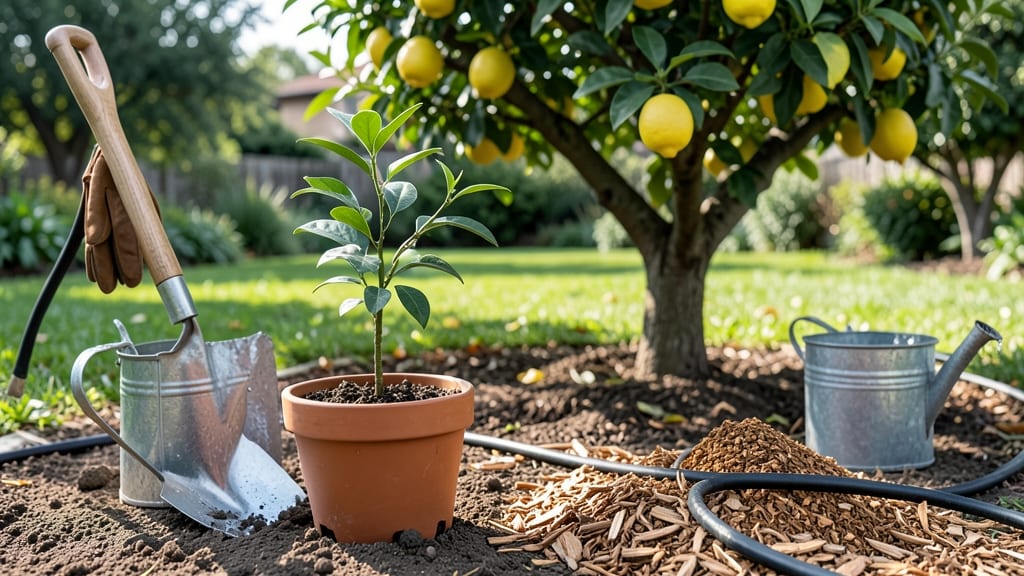
Planting a 🍊 citrus tree in Arizona isn’t just about grabbing a sapling and sticking it in the ground—it’s about outsmarting the desert’s extreme swings from 110°F summers to chilly winter nights.
If you time it wrong, your tree could struggle with heat stress or frost damage before it even gets a chance to thrive.
Most Arizona gardeners swear by the November to March window, when temperatures are mild and the risk of frost has passed. But here’s the catch: your exact timing depends on whether you’re in Phoenix’s low desert or Flagstaff’s cooler highlands.
Get this right, and you’ll set your tree up for year-round harvests—get it wrong, and you might be dealing with wilting leaves or stunted growth.
I’ve helped dozens of Arizona growers perfect their citrus planting schedule, and the key isn’t just picking a month—it’s understanding soil prep, root health, and even the phase of the moon (yes, really).
Let me walk you through the exact steps to plant your citrus tree at the ideal moment, so you’re enjoying homegrown oranges by next summer.
Whether you’re a first-time gardener or a seasoned pro, these insights will help you avoid common mistakes and give your 🍊 citrus tree the best possible start in Arizona’s challenging climate. Ready to dig in?
Best planting months for citrus trees in Arizona’s heat Zones
Arizona’s USDA Hardiness Zones 7-11 create a unique challenge for citrus growers. Unlike temperate climates, Arizona’s mild winters and intense summers demand precise planting timing. The ideal window spans from November through March, when soil temperatures stay cool and frost risks are minimal.
This period allows young roots to establish before summer’s brutal heat arrives.
Citrus trees are evergreen but semi-dormant in winter, making them more resilient to transplanting during these months. Planting in late winter (February-March) gives trees a head start before the growing season kicks off.
However, early fall (October-November) is also viable in lower desert zones where frost is rare. The key is avoiding extreme heat stress or unpredictable cold snaps that can shock delicate roots.
Here’s how Arizona’s microclimates influence planting windows: In Phoenix and Tucson (Zones 9b-11), citrus can tolerate October planting if nighttime temps stay above 50°F (10°C). Meanwhile, Flagstaff and higher elevations (Zones 7-8) require March planting to avoid late frosts.
Even a single 28°F (-2°C) night can kill young citrus trees, so timing is critical.
🌱
For container-grown citrus, timing flexibility increases slightly. Potted trees adapt better to temperature shifts, so you can plant 1-2 weeks earlier than bare-root varieties. However, never plant during summer—even drought-tolerant citrus struggles with 100°F+ (38°C+) soil temps, which cause root burn.
If you must plant outside the ideal window, use shade cloth for the first 4-6 weeks to reduce stress.
Another critical factor is moisture availability. Arizona’s winter rains create a natural watering window from December to February. Planting during this period means less supplemental irrigation is needed while roots establish. In contrast, spring planting (April-May) requires daily watering to prevent drought stress as temps rise.
Pro tip: Test soil temperature before planting. Use a soil thermometer to confirm temps are above 60°F (16°C). If your soil is too cold, delay planting until conditions improve. Warm soil promotes faster root growth, while cold soil can stunt development for months.
🌿
Once planted, mulching becomes essential. Apply 3-4 inches of organic mulch (straw or wood chips) to retain moisture and regulate soil temperature. This is especially important in Zone 11’s low deserts, where day-night temperature swings of 40°F+ can occur.
Mulch acts as a thermal buffer, protecting roots from both heat and cold.
Finally, choose the right variety for your zone. Meyer lemons and Calamondin oranges thrive in Zones 9-11, while Satsuma mandarins are hardier for Zones 7-8. Always check cold-hardiness ratings before selecting a tree—some varieties tolerate 20°F (-7°C), while others wilt below 28°F (-2°C).
☀️
Signs your citrus tree is ready for Arizona planting (and how to prepare)
Arizona’s extreme temperatures demand citrus trees be planted at the perfect moment—too early, and heat stress stunts growth; too late, and winter frost damages roots. Before you plant, check these critical readiness signs to ensure your tree thrives in the desert climate. First, examine the root system. Healthy roots should be white or light tan, firm, and free of mushy spots or blackened areas. If your tree is container-grown, gently squeeze the root ball—it should feel compact but not waterlogged. Bare-root trees need plump, unbroken roots with no signs of drying or rot.Next, test your soil temperature. Citrus trees prefer soil between 60°F and 75°F at planting time. Use a soil thermometer to check—if it’s below 55°F, wait a few weeks.
In Arizona’s low deserts, this usually means planting between November and March, but higher elevations like Flagstaff may need to delay until April to avoid late frosts.
🌱
Never plant citrus in Arizona’s summer months (June–August). Soil temperatures can exceed 100°F, causing root burn and shock. If you must plant in April or October, do so in the early morning or late afternoon to minimize stress.
For container-grown trees, ensure the root ball isn’t root-bound. If roots circle the pot, trim them gently with sterilized pruners before planting. This encourages outward growth into the well-draining soil Arizona’s desert conditions require.
Amend your soil with compost or citrus-specific fertilizer to boost nutrient levels—citrus trees are heavy feeders and need phosphorus and potassium to establish strong roots.
Finally, prepare your planting site by choosing a sunny, sheltered spot. Citrus trees need 6+ hours of sunlight daily, but afternoon shade helps protect them from intense desert heat.
If planting near a heat-reflective surface (like pavement), add mulch or shade cloth to regulate soil temperature. Water deeply 1–2 weeks before planting to reduce transplant shock.
Once you’ve confirmed these signs, your citrus tree is ready for Arizona’s unique growing conditions. With the right timing and preparation, it’ll establish roots quickly and reward you with year-round harvests for decades. 🪴