
Plants
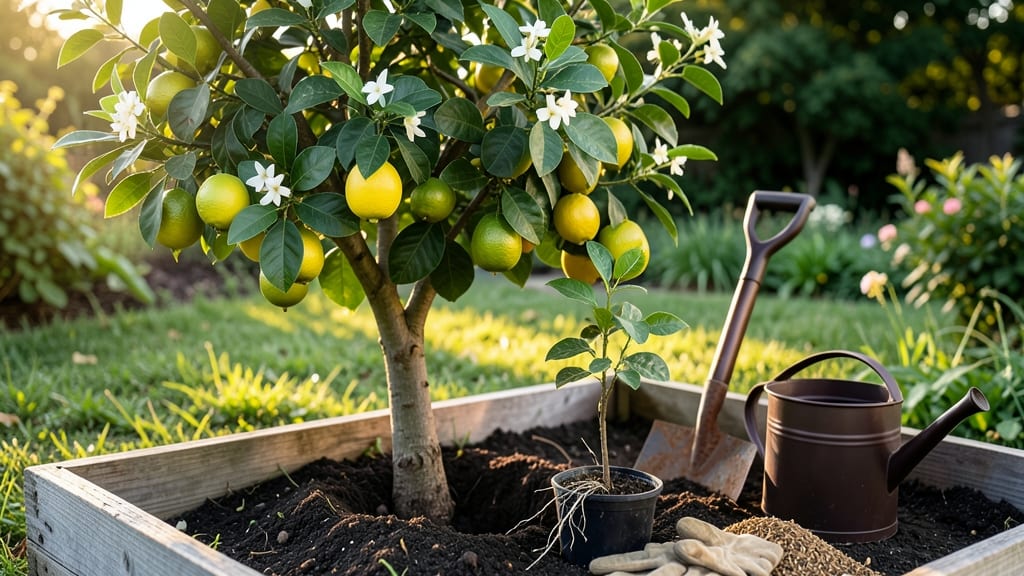
Planting citrus in Arizona isn’t just about picking a month—it’s about outsmarting the desert’s brutal heat and unpredictable frost. If you’ve ever watched a young 🍊 tree wilt under the sun or freeze in a rare cold snap, you know timing is everything. The right window means stronger roots, faster growth, and fruit that actually ripens instead of turning to leather.
Most gardeners in USDA Zone 9b swear by November through March as the sweet spot, but even that’s not one-size-fits-all.
Whether you’re in the low desert’s furnace or a slightly cooler microclimate, small shifts in when you plant can mean the difference between a thriving tree and one that struggles to survive its first summer. Let’s break down the science so you can pick the perfect moment for your citrus.
You might think spring is ideal, but Arizona’s heat ramps up fast—planting too late can fry tender roots before they establish. On the flip side, fall planting gives trees a head start on root growth before winter chill sets in.
I’ll show you exactly how to read your local microclimate and adjust your schedule for maximum success.
Ready to avoid the common mistakes? From soil prep to shade tricks, I’ll walk you through every step to give your citrus the best shot at thriving in Arizona’s extreme conditions. Let’s get those trees in the ground the right way.
Arizona’s best citrus planting months by heat Zone
Arizona’s USDA Zones 9b–11b create a tricky balance for citrus growers. The low desert (Phoenix, Tucson) bakes at 110°F+ by summer, while higher elevations (Flagstaff, Sedona) face freeze risks in winter.
Planting at the wrong time means root shock or heat stress—but get it right, and your tree thrives. Here’s the science-backed window tailored to Arizona’s extremes.
For low desert zones (9b–11a), the sweet spot is February–March. This gives roots 3–4 months to establish before summer’s 100°F+ soil temps. Fall planting (September–October) is your second-best option, letting trees harden off before winter’s mild chill.
Avoid April–May—soil can hit 90°F+, shocking tender roots.
In higher elevations (Zone 9b), shift to April–May planting. Cooler nights and lower heat stress mean trees establish faster. September is also viable, but avoid November—frost risks rise after December 15 in most areas.
Microclimates matter: Yuma’s desert (Zone 10a) can plant January–February, while Prescott’s pines (Zone 7b) must wait until May.
| Heat Zone | Best Planting Window | Why It Works | Avoid These Months |
|---|---|---|---|
| Low Desert (9b–11a) | Feb–March (primary) / Sep–Oct (fall) | Cooler soil temps, 3–4 months to summer | April–August (heat shock risk) |
| Higher Elevations (9b) | April–May (primary) / Sep | Avoids frost; lower heat stress | Nov–Jan (frost risk) |
| Microclimates (e.g., Yuma) | Jan–Feb (extended window) | Zone 10a allows earlier starts | July–Sept (extreme heat) |
Citrus trees hate transplant shock, and Arizona’s intense sun accelerates stress. That’s why shade acclimation is non-negotiable. If planting in February–March, move potted trees to 50% shade for 1–2 weeks before full sun.
For fall plantings, extend this to 3–4 weeks as winter sun is less harsh but still strong. Skip this step, and you’ll see leaf scorch within weeks.
Soil temperature is the hidden factor most Arizona growers overlook. Use a soil thermometer—ideal temps are 60–75°F at planting.
In low desert, soil can hit 85°F+ by April, cooking roots. Amend soil with 3–4 inches of compost and sand to improve drainage, then mulch heavily (4–6 inches) to keep roots cool. Pro tip: Black plastic mulch raises soil temps—use straw or wood chips instead.
Timing also depends on tree size. Bare-root 1–3 ft saplings plant best in winter (Dec–Feb) when roots are dormant.
Larger container-grown trees (4–6 ft) handle spring (March–April) better—their established root balls tolerate heat slightly longer. Avoid summer plantings unless you’re in Zone 11b (e.g., Tucson’s foothills) with drip irrigation and shade cloth.
Watch for false starts—like premature flowering in March. If your tree blooms too early, remove flowers to redirect energy to root growth.
Stress from heat waves or drought can also trigger fruit drop in young trees. Consistent watering (1–2 gallons deep weekly) is critical during establishment year.
For container citrus, timing shifts slightly. Move potted trees indoors or under shade cloth by June in Zone 9b or July in Zone 10a. Dwarf varieties (like Meyer lemons) handle container life better than standard trees, but even they need protected roots during 100°F+ heat.
Use self-watering pots to prevent root desiccation
Arizona’s best citrus planting months by heat Zone
Arizona’s USDA Zones 9b–11b create a tricky balance for citrus lovers—too early, and frost risks linger; too late, and summer’s 110°F+ heat shocks tender roots.
The perfect window depends on your elevation: low desert (Phoenix, Tucson) thrives with February–March plantings, while higher elevations (Flagstaff, Prescott) wait until April–May when soils warm. This timing lets roots establish before the monsoon season’s intense sun and flash floods.
Avoid planting in late spring (May–June) or early fall (September–October). Why? Summer’s scorching temperatures stress young trees, while fall’s unpredictable rains and cool nights slow root growth. Even container-grown citrus struggles in these off-times—your tree’s survival hinges on consistent moisture and gradual heat exposure, neither of which these windows provide.
Microclimates complicate things further. Urban areas with pavement heat islands may need earlier plantings (January) to cool soils, while rural desert zones can stretch windows to late March. Always check your local frost dates—even Zone 10b’s low desert sees rare 28°F dips in January.
| Heat Zone | Best Planting Months | Key Considerations |
|---|---|---|
| Zone 9b (Prescott, Sedona) | April–May | Soils warm by late April; avoid May’s heat spikes. |
| Zone 10a (Phoenix, Tucson) | February–March | January frost risk; March’s heat ramps up quickly. |
| Zone 11b (Yuma, Lower Desert) | January–February | No frost risk; prioritize shade cloth for first 30 days. |
Citrus varieties also influence timing. Meyer lemons and Satsuma mandarins handle cooler soils better, so they can plant 1–2 weeks earlier than Valencia oranges, which crave warmer roots. For container citrus, extend windows by 2–4 weeks—pots heat up faster but also dry out quicker, so morning plantings with shade cloth are critical during April–May in Zone 10a.
Pro tip: Test soil temperature before planting—60°F+ is ideal. Stick a thermometer 4 inches deep; if it’s cooler, wait. Mulch with 3–4 inches of wood chips right after planting to lock in moisture and insulate roots from 100°F+ pavement radiant heat.
This simple step can double survival rates in Arizona’s brutal first summer.
Timing isn’t just about months—it’s about microclimates, variety, and prep. Master these, and your citrus will thrive through Arizona’s extremes, bearing fruit for decades. Miss the window, and you’ll be battling heat stress or root rot** all summer long.