Plants
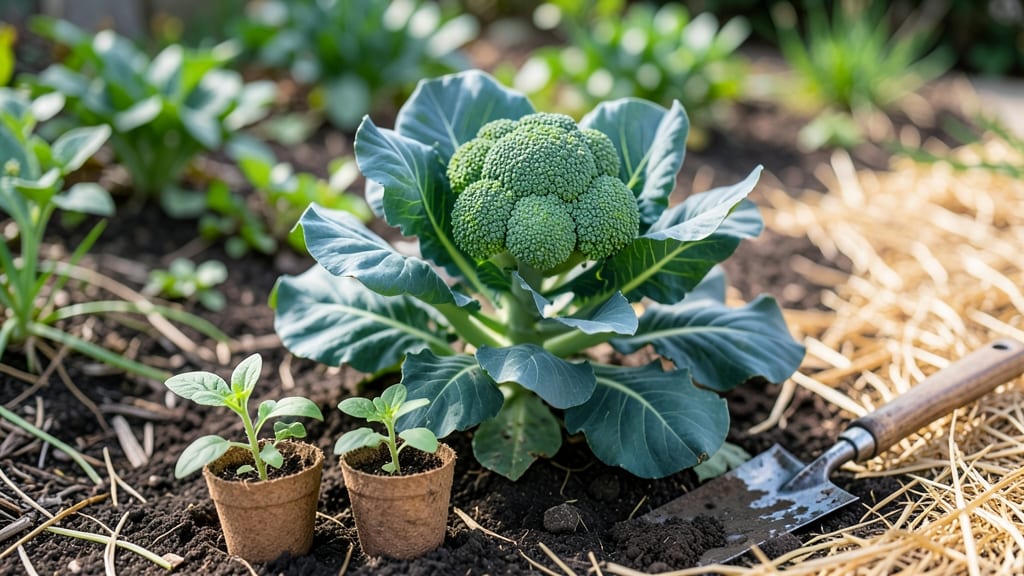
Knowing when to plant broccoli in Northern California can mean the difference between a thriving 🥦 harvest and a wasted effort. The region’s microclimates—from the chilly coastal fog to the warmer inland valleys—create unique challenges that demand precise timing.
Fall is the ideal season for most gardeners here, with planting windows stretching from September through October to beat early winter frosts. But spring planting also works if you start in February or March, avoiding the heat that triggers bolting.
The key? Understanding your specific zone’s frost dates and soil warmth patterns.
In this guide, I’ll break down the exact planting schedules for Bay Area gardens, Sacramento’s Central Valley, and even the cooler North Coast. You’ll learn how to prep your soil, choose the right varieties, and extend your harvest season with simple tricks that work in Northern California’s unpredictable climate.
Whether you’re a first-time gardener or a seasoned green thumb, these regional insights will help you grow healthier, more productive broccoli—without the guesswork. Let’s get those seeds in the ground at the perfect time!
Northern California broccoli planting calendar by region: frost dates & soil warmth
Northern California’s diverse microclimates mean your broccoli planting schedule should vary by region. Coastal areas like the Bay Area have milder winters, while inland valleys like Sacramento experience colder snaps.
Understanding your last frost date and soil temperature (aim for 45°F+ for germination) is critical to avoid frost damage or premature bolting.
Broccoli thrives in cool-season growing, making fall and early spring the ideal planting windows. For a fall harvest, plant 4-6 weeks before your first frost—typically September-October in most regions.
Spring planting should happen February-March to avoid summer heat stress. Let’s break down the best planting windows by region.
🌱 Key Rule: Broccoli needs 60-70 days to mature from transplant. Use this timeline to align planting with your harvest goals. Coastal areas can push slightly later due to milder winters, while inland zones need earlier starts.
For coastal regions, you can plant broccoli as late as October thanks to milder winters. However, inland valleys like Sacramento may need to start seeds indoors by August for a fall crop.
Always check your local frost dates—the USDA Plant Hardiness Zone Map (Zones 8a-9b) is a great starting point.
If you’re growing transplants instead of seeds, purchase 4-6 week old seedlings from nurseries in August-September for fall planting. Harden off seedlings by exposing them to outdoor conditions for 7-10 days before transplanting to avoid shock. Use well-draining soil with a pH of 6.0-7.0 for optimal growth.
⚠️ Pro Tip: Avoid planting broccoli in summer heat (June-August). Temperatures above 80°F cause bolting (premature flowering), ruining your crop. If you must plant in summer, choose shade-tolerant varieties like 'De Cicco' and provide afternoon shade with row covers.
For spring harvests, focus on February-March planting. By this time, soil temperatures have warmed enough to support germination, but you’re still avoiding the peak summer heat.
Use black plastic mulch to warm soil faster in cooler inland areas. In coastal zones, you can push planting into early April for a late spring crop.
Northern California’s variable climate means your broccoli success hinges on precise timing. Use these regional guidelines as a baseline, but always monitor weather forecasts and adjust your planting schedule.
A 1-2 week buffer on either side of these windows can mean the difference between a bountiful harvest and a failed crop.
Next, we’ll explore how to extend your broccoli growing season using cold frames, row covers, and succession planting to maximize your harvest in Northern California’s unpredictable weather. 🌱
How to extend broccoli growing season in Northern California’s variable climate
Northern California’s unpredictable weather—from coastal fog to inland heat waves—can challenge broccoli growers. But with the right strategies, you can extend your harvest window by 2-3 months or even push for year-round production in milder microclimates.
The key lies in seasonal adjustments, protective barriers, and frost-resistant varieties tailored to your region.
For coastal areas like San Francisco or Santa Cruz, where winters are damp and cool, row covers or low tunnels can shield plants from light frosts (28-32°F) while still allowing sunlight.
Inland zones like Sacramento or Stockton face hotter springs, so succession planting with fast-maturing varieties (like 'Calabrese') ensures a steady supply before summer heat sets in.
🌱 Pro Tip: If you’re in USDA Zone 8b-9a, consider winter planting (November) for a spring harvest—just protect seedlings with frost cloth until soil warms to 45°F+.
For Zone 8a or cooler, focus on fall planting (September-October) to harvest before the first hard frost (below 25°F).
Another game-changer? Interplanting broccoli with radishes or lettuce in early spring. Radishes mature in 30 days, leaving space for broccoli to fill out without competition. For coastal gardens, dwarf varieties like 'Little Sprout' thrive in containers and can be moved indoors during heatwaves.
🌿 Warning: Avoid planting broccoli in summer (June-August) in inland areas—temperatures above 85°F cause bolting (premature flowering). Instead, use this time to prep soil for fall plantings or grow shade-tolerant greens like kale.
With these tactics, you can double your broccoli harvest in Northern California—whether you’re battling coastal fog, Sacramento heat, or Sierra frosts. Start small, experiment with one protective method, and scale up based on what works best in your microclimate!