
Trees
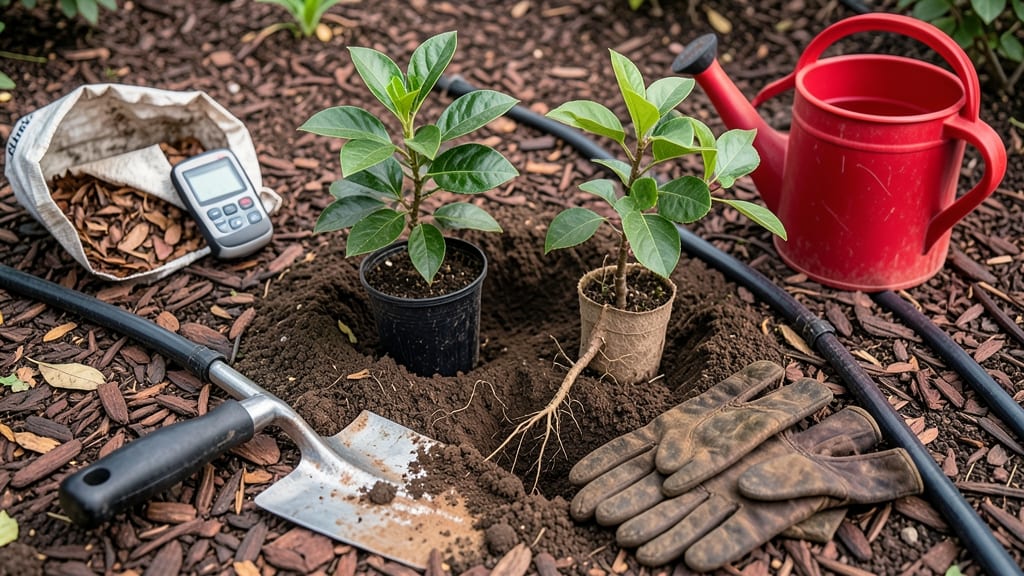
Planting fruit trees in California at the wrong time could mean waiting years—or even decades—for that first harvest. The best window isn’t just about seasons; it’s about matching your tree’s chill-hour needs to your microclimate, whether you’re in coastal fog or the Central Valley’s heat.
Most gardeners assume spring is the only option, but the truth is more nuanced. For low-chill varieties like peaches or nectarines, late winter works perfectly, while high-chill apples and pears need that early spring planting to avoid frost damage.
I’ll break down exactly when to plant based on your specific zone and tree type.
What you’ll discover is that California’s diverse climates create unique opportunities. Mediterranean coastal areas thrive with citrus and olives planted in late fall, while inland zones benefit from spring’s warmer soils. Let’s dive into the science—and the practical steps—to ensure your fruit trees grow strong and productive.
Ready to transform your backyard into a fruitful oasis? The key lies in understanding your tree’s needs and your local conditions. I’ll show you how to time it right for maximum yields and minimal stress on your plants.
California fruit tree planting calendar by chill-hour zones
California’s diverse climate—from coastal fog to inland heat—means one planting time doesn’t fit all. The key to success lies in matching your fruit tree’s chill-hour needs with your local USDA zone (5-10).
For example, peaches and plums thrive in zones with 300-500 chill hours, while apples and pears need 600-800+ chill hours. Planting at the wrong time can stunt growth or prevent fruiting entirely.
Most California gardeners aim for late winter to early spring, typically between February and April, when soil temperatures rise above 50°F (10°C). However, bare-root trees (dormant) can be planted in late fall (November-December), giving roots time to establish before spring growth.
Always check your local last frost date—coastal areas (like San Francisco) may have earlier planting windows than inland desert regions.
Here’s the critical rule: Plant when buds swell but before leaves emerge. This window ensures roots establish without competing with new growth. For container-grown trees, you can plant slightly later—even into May—since their roots are already active.
But bare-root trees demand soil workability and frost-free forecasts for 4-6 weeks post-planting.
🌱 California Fruit Tree Planting by Chill-Hour Zone
| Zone & Chill Hours | Best Planting Time | Ideal Soil Temp | Top Varieties | Frost Risk |
|---|---|---|---|---|
| USDA 5-7 (300-500 hrs) | Feb–March | 50–60°F (10–15°C) | Peaches, Plums, Nectarines | Low (coastal) |
| USDA 8-9 (500-700 hrs) | March–April | 55–65°F (13–18°C) | Apples, Pears, Cherries | Moderate (inland) |
| USDA 10 (700+ hrs) | April–May | 60–70°F (15–21°C) | Figs, Persimmons, Quince | Low (desert) |
💡 Pro Tip: Use a chill-hour calculator (like UC Davis’s) to confirm your local conditions.
If you’re in Southern California (USDA 10), focus on low-chill varieties like ‘Flame’ nectarines or ‘Desert King’ figs, which thrive with minimal winter chill.
In contrast, Northern California (USDA 7-9) can support high-chill apples like ‘Gala’ or ‘Fuji’, but plant them 1-2 weeks earlier to avoid spring frosts.
For container planting, extend your window into late spring (May-June), but ensure pots have drainage holes and use well-draining soil mixes. Container trees need regular watering—especially in drought-prone areas—and may require winter protection (mulch or frost cloth) in zones 8-9.
One common mistake? Planting citrus trees in inland valleys where freezes can kill them. Citrus (like lemon or orange trees) belong in coastal zones (USDA 9-10) with mild winters. Instead, opt for quince or loquat in colder inland areas—they’re frost-tolerant and still produce fruit.
Always test your soil’s drainage and pH before planting. California soils often need amendments like compost or sand to improve texture. Aim for a pH of 6.0–7.0 for most fruit trees, though blueberries (if grown in CA) prefer acidic soil (4.5–5.5).
A simple soil test kit (available at garden centers) saves guesswork.
After planting, mulch heavily (3–4 inches of wood chips)
Top 5 fruit trees for California’s mild climate and how to plant them
California’s Mediterranean climate makes it perfect for growing low-chill fruit trees like figs, persimmons, and nectarines. These varieties thrive in USDA zones 8-10 with minimal winter chill, while others like apples and pears need cooler zones.
I’ll share my top picks and the exact steps to plant them for maximum success.
First, consider fig trees—they’re drought-tolerant and produce fruit in as little as 1-2 years. Choose varieties like ‘Black Mission’ for reliable harvests. Figs love well-draining soil and full sun, making them ideal for California’s hot summers. Plant them in early spring when soil temps reach 60°F.
Next up: persimmons, which need 200-400 chill hours—perfect for Northern California. The ‘Fuyu’ variety is my favorite because it’s non-astringent (sweet to eat fresh). Plant in late winter or early spring, spacing trees 20-25 feet apart for proper airflow.
For nectarines and peaches, focus on low-chill varieties like ‘Redhaven’ or ‘Sutter’. These need 300-500 chill hours, so they’re best for cooler inland regions like Sacramento or San Joaquin Valley. Plant in winter or early spring while dormant, ensuring roots are 6 inches deep.
🌱 Top 5 Fruit Trees for California + Planting Steps
- 🌿 Figs – Plant in early spring; well-draining soil; 6-8 ft spacing.
- 🍈 Persimmons – Late winter/early spring; 20-25 ft spacing; full sun.
- 🍑 Nectarines – Winter/early spring; 200-500 chill hours; 6 ft spacing.
- 🍐 Peaches – Dormant season; acidic soil (pH 6.0-6.5); 15-20 ft spacing.
- 🍊 Citrus (e.g., lemons) – Spring/fall; container-friendly; partial shade.
Pro Tip: Use mycorrhizal fungi with roots to boost water absorption in California’s dry soil.
If you’re in Southern California, citrus trees like lemons or oranges are a must. They thrive in containers or in-ground with well-draining soil and partial shade to avoid sunburn. Plant in spring or fall, keeping the graft union 2-3 inches above soil.
After planting, mulch heavily with wood chips to retain moisture and water deeply once a week for the first year. Avoid overwatering—California’s drought conditions mean most fruit trees prefer dry spells between waterings. Prune in late winter to shape the tree and remove dead branches.
With the right variety and timing, your California orchard can yield fruit for decades. Start with figs or persimmons for low-maintenance success, or go bold with peaches and nectarines if you’re in a cooler zone. Happy planting! 🌳