
Plants
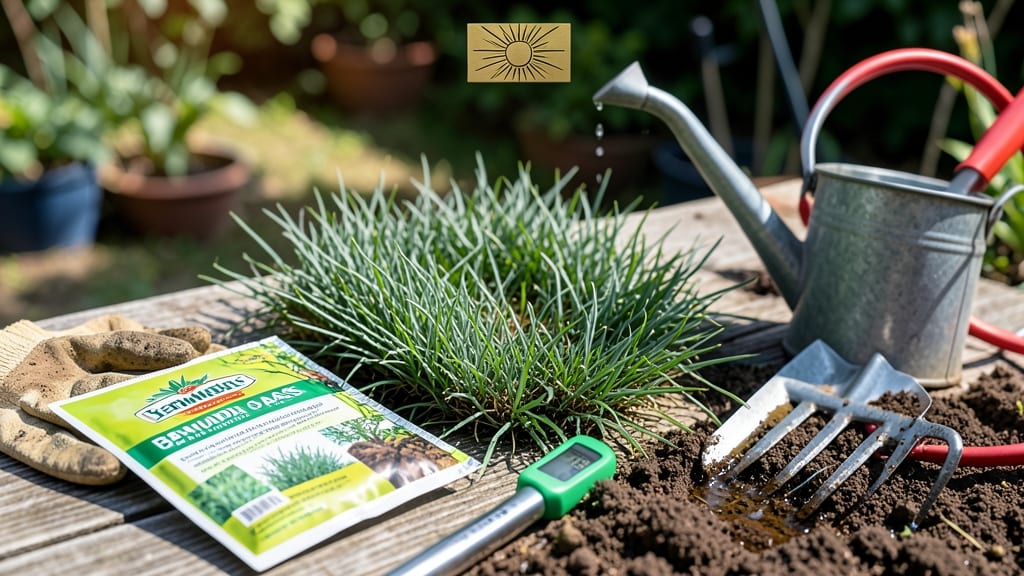
If you're dreaming of a fast, vibrant Bermuda grass lawn in Texas, timing your seed planting could make or break your success. The right window—late spring to early summer—means the difference between a lush carpet of green and months of frustration with slow growth.
Texas’s diverse climate, from North to South, means county-specific planting dates matter more than just checking a calendar.
Whether you're in the cooler 8a-10b zones of North Texas or the balmier South, waiting for soil temperatures to hit 75°F+ and all frost risk to pass is the key to fast germination.
I’ll break down exactly when to plant in your area, how to prep your soil for optimal seedbed conditions, and which varieties thrive fastest in Texas heat. No more guessing—just a clear, actionable plan to get your lawn off to a flying start.
Ready to skip the trial-and-error? Let’s dive into the best months, soil checks, and care tips that’ll have your 🌱 Bermuda grass thriving in no time.
Best planting dates by Texas region and county microclimates
Texas spans three distinct regions for Bermuda grass planting, each with unique soil temperature and frost risk patterns. North Texas (USDA zones 8a-8b) has later planting windows due to cooler springs, while South Texas (zones 9a-10b) can start earlier when soil warms.
Central Texas (zone 8a-9a) falls in between, requiring careful monitoring of last frost dates.
For North Texas counties like Denton or Collin, aim for late May to early June when soil temperatures consistently stay above 75°F. In Central Texas (Travis, Williamson), you can plant as early as mid-April if daytime temps remain above 65°F.
South Texas (Harris, Cameron) offers the longest window—March 15 to May 15—thanks to its warmer winters.
Here’s how to pinpoint your exact window using local frost data and historical success from Texas A&M Extension records:
| Region | USDA Zone | Ideal Planting Window | Soil Temp Threshold | Key County Examples |
|---|---|---|---|---|
| North Texas | 8a-8b | Late May - Early June | 75°F+ (4-6" depth) | Denton, Collin, Tarrant |
| Central Texas | 8a-9a | Mid-April - Late May | 65°F+ (4-6" depth) | Travis, Williamson, Bell |
| South Texas | 9a-10b | March 15 - May 15 | 60°F+ (4-6" depth) | Harris, Cameron, Nueces |
Note: Adjust 2-4 weeks earlier if your microclimate runs warmer (e.g., urban heat islands).
Use the Texas A&M AgriLife Extension interactive map to verify your county’s last frost date. For example, Lubbock (North Texas) typically sees its last frost around March 20, but planting before May 15 risks seed rot from lingering cool nights.
Meanwhile, Houston (South Texas) can safely plant by March 1 in most years.
Pro tip: Check the National Weather Service’s 10-day forecast for consistent daytime highs above 80°F—this signals the optimal germination window. Seedlings need warmth to break dormancy, and cooler nights can stall growth for weeks.
If you’re in a transition zone (e.g., Austin’s edges or San Antonio’s suburbs), err on the side of planting later. These areas experience unpredictable late frosts, and young Bermuda grass is extremely frost-sensitive. A single 32°F night can kill seedlings before they establish roots.
For urban lawns in cities like Dallas or Fort Worth, consider pre-germinated sod instead of seeds if your schedule is tight. Sod establishes in 2-3 weeks vs. seeds’ 6-8 weeks, but it’s 2-3x more expensive. Weigh the cost against your timeline for a finished lawn.
Always test your soil’s temperature at 4-6 inches deep—surface temps can be misleading. Use a soil thermometer (available at garden centers for ~$10) to confirm readiness. If temps dip below 65°F at planting, delay by 1-2 weeks to avoid poor germination.
🌱
Best planting dates by Texas region and county microclimates
Texas’s vast geography means your Bermuda grass planting timeline should start with your USDA zone. North Texas (Zones 8a-8b) has cooler springs, while South Texas (Zones 9a-10b) can plant earlier.
I’ll break it down by region so you can align your schedule with local frost-free windows and soil warmth.
For North Texas (Dallas, Fort Worth, Waco), aim for mid-April to early June. Wait until soil temps hit 75°F+ at 4-inch depth—this typically occurs by late April in most counties. Planting too early risks seed rot from lingering cool soil.
In Central Texas (Austin, San Antonio, College Station), your window shifts to early April to mid-June. These areas warm faster, but April showers can delay planting. Use a soil thermometer to confirm readiness—65°F minimum for germination.
For South Texas (Houston, Corpus Christi, Brownsville), plant February to early May. The Gulf Coast’s mild winters mean earlier starts, but avoid planting before February 15 to dodge unexpected 32°F dips. Varieties like Tifway 419 thrive here with fastest germination in March.
| Texas Region | USDA Zone | Ideal Planting Window | Soil Temp Threshold | Key Risk |
|---|---|---|---|---|
| North Texas | 8a-8b | Mid-April to Early June | 75°F+ at 4" | Late frost |
| Central Texas | 8a-9a | Early April to Mid-June | 65°F+ at 4" | Cool soil delays |
| South Texas | 9a-10b | February to Early May | 60°F+ at 4" | Unexpected frost |
Pro tip: Check your local AgriLife Extension office for county-specific frost data. For example, Lubbock’s last frost averages March 20, while El Paso’s is March 5. Planting too early in these areas can mean seed death from overnight chills.
Once you’ve nailed your planting window, prep your soil by tilling to 2-3 inches deep and removing debris. Bermuda grass seeds need direct soil contact for germination—cover them with just ¼ inch of soil or mulch.
Water lightly to settle seeds, then keep soil consistently moist (not soggy) until sprouts appear in 7-21 days.
Remember, July plantings are possible in South Texas but risk heat stress on young seedlings. If you miss the spring window, opt for sod instead—it establishes faster under summer heat. 🌱