
Trees
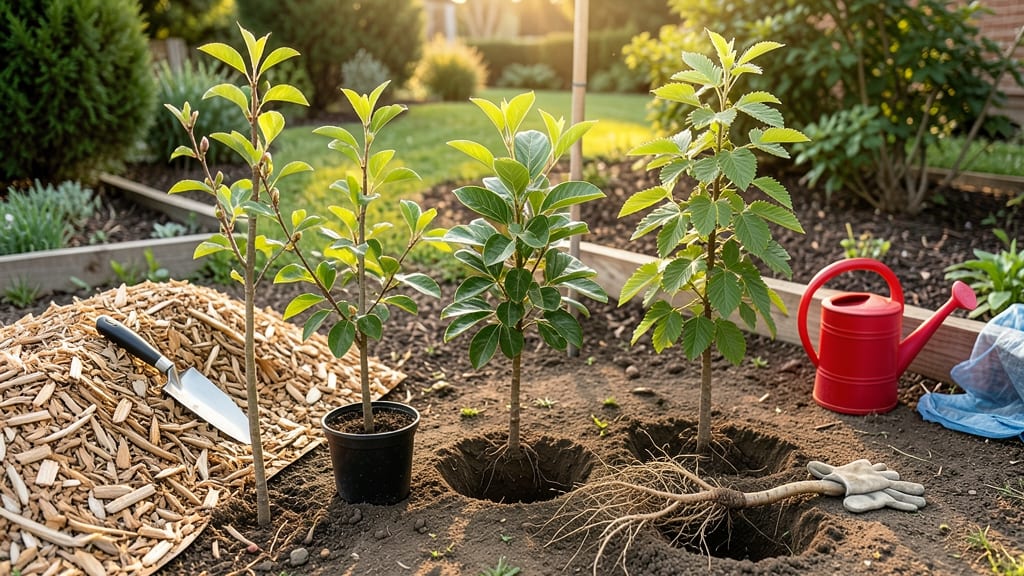
Planting fruit trees 🍎 in Central Texas at the wrong time can mean stunted growth, heat stress, or even death—so timing is everything.
The difference between a thriving orchard and struggling saplings often comes down to 4-6 weeks before the last frost date, which typically lands in mid-March for zones 8a-9a.
If you've ever wondered why some trees take off while others wilt under summer heat, the answer lies in root development. Planting in late winter or early spring gives fruit trees the critical head start they need to establish strong roots before the brutal Texas sun arrives.
I'll walk you through the exact months that work best for Central Texas, plus how to prepare your soil and care for young trees during their most vulnerable phase.
Whether you're planting peaches, citrus, or figs, these insights will help you avoid common mistakes and set your trees up for long-term success.
Let's dive into the science behind planting windows and discover how to give your fruit trees the best possible start in our unique climate. You'll learn which varieties handle our heat best and how to protect them once they're in the ground.
Best planting months for fruit trees in Central Texas climate zones (8a-9a)
Central Texas's USDA Zones 8a-9a offer a narrow window for planting fruit trees—too early risks frost damage, while too late exposes young roots to 100°F+ summer heat. The ideal planting window is late February through early April, aligning with soil temperatures between 60-70°F and before peak heat stress.
This timing lets roots establish before summer's intensity.
For stone fruits (peaches, plums, cherries), prioritize February-March planting.
These trees need chilling hours (300-600) to break dormancy, and Central Texas's mild winters often leave them vulnerable if planted too late. Citrus trees (oranges, lemons), however, thrive when planted in early spring (March-April) or even fall (November)—they hate frost but love heat.
Here’s the critical timeline for Central Texas fruit tree planting:
| Fruit Tree Type | Best Planting Months | Soil Temp Requirement | Key Risk |
|---|---|---|---|
| Peaches/Plums | February-March | 60-70°F | Late frost |
| Citrus (Oranges, Lemons) | March-April or November | 65-75°F | Frost damage |
| Figs | February-April | 55-65°F | Heat stress |
| Pecans | Late February-March | 50-60°F | Drought |
| Pomegranates | November-December | 50-60°F | Winter dieback |
Avoid planting in May or later—Central Texas summers bring consistent 95°F+ temperatures, which can scorch young roots before they establish. Even bare-root trees struggle to survive when planted after April 15, as their root systems can’t keep up with evaporative demand.
For container-grown trees (often sold potted), you have slightly more flexibility—plant them throughout spring (March-May) as long as you water deeply every 3-5 days to offset transplant shock. However, bare-root trees (cheaper and more robust) must go into the ground before April 1 for best results.
Pro tip: Check your local frost dates—Austin’s average last frost is March 15, but Waco can see frost until March 25. Plant 4-6 weeks before your area’s last frost date to ensure roots have time to establish 6-8 inches deep before heat arrives.
Use a soil thermometer to confirm temps are above 60°F before planting.
If you miss the spring window, fall planting (November) is your second-best option—just choose drought-tolerant varieties like muscadine grapes or persimmons, which handle Central Texas’s winter droughts better than peaches or plums. Mulch heavily (3-4 inches of wood chips) to protect roots from freeze-thaw cycles.
Remember: Root growth slows below 50°F and stops above 90°F. Planting in Central Texas’s shoulder seasons (February-April or November) gives roots the perfect 60-70°F window they need to spread 12+ inches before summer’s brutal heat sets in. 🌱
How to prepare fruit trees for Central Texas heat stress after planting
Once your fruit trees hit the ground in Central Texas, the real challenge begins—surviving the 100°F+ summers. Without proper prep, even the hardiest varieties can wilt under relentless heat and drought. My top priority after planting? Root protection and water efficiency to give young trees a fighting chance.
Central Texas summers aren’t just hot—they’re dry and intense, with low humidity that accelerates moisture loss. I’ve seen firsthand how shallow roots struggle when soil dries out within days. The key is mimicking nature’s moisture-retaining strategies while giving roots room to spread deep.
🚨 CRITICAL WARNING: Overwatering is just as deadly as underwatering. Saturation without drainage leads to root rot, which kills trees faster than drought. Always check soil 2 inches deep—if it’s dry, water deeply; if it’s soggy, hold off.
⚠️ Heat Stress Red Flags
- Wilting leaves that don’t recover by evening
- Brown leaf edges (heat scorch, not drought)
- Cracked soil around the base (severe dryness)
- Fungal spots on new growth (overwatering)
ACT NOW: Trim damaged leaves immediately and adjust watering.
My go-to defense? A 3-inch layer of organic mulch (like hardwood chips or straw) spread 3 feet out from the trunk. This blocks evaporative heat loss while encouraging deep root growth. Pro tip: Keep mulch away from the trunk to prevent rot—leave a 2-inch gap.
For drought-prone varieties like peaches or plums, I add hydrogel crystals to the planting hole. These tiny beads absorb 500x their weight in water and release it slowly—perfect for when I’m away for weekends. Pair this with drip irrigation set to run for 15-20 minutes daily during peak heat (June–August).
One mistake I see often? Pruning too late in summer. Always wait until September or early October to shape trees—this lets them recover before winter.
And if you’re planting citrus or figs, avoid full sun until they’re 3+ years old; give them afternoon shade with a lightweight shade cloth (30% block) until roots establish.
Remember: The first 2 years are critical. With these adjustments, your trees will outlast Texas summers and reward you with fruit for decades. 🌱