
Planting
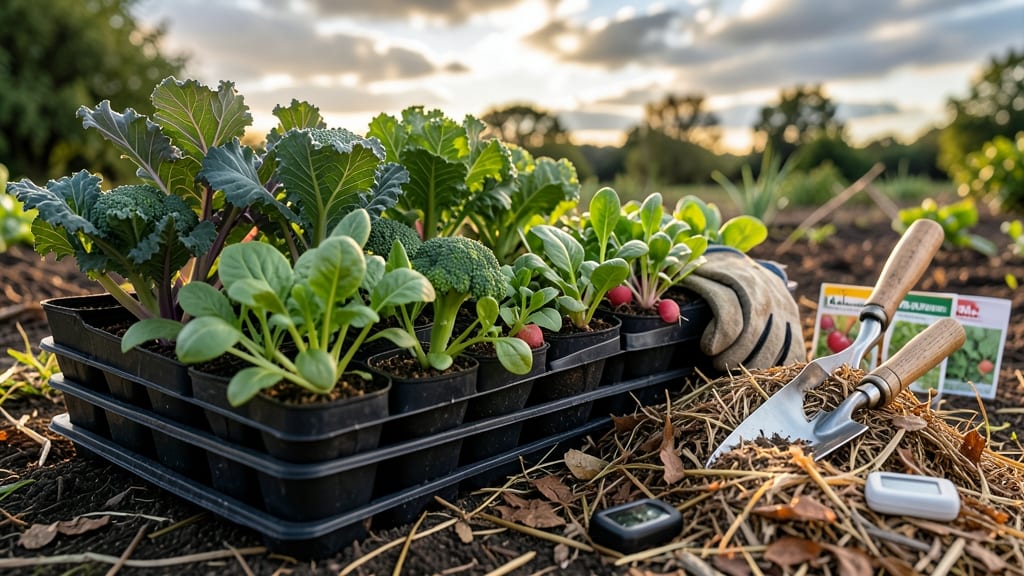
Timing when to plant a fall garden in Central Texas can mean the difference between a bountiful harvest and wasted effort. With the right schedule, you'll enjoy crisp vegetables all season, but plant too early, and the summer heat will send your greens bolting.
The key is knowing exactly when to start—6-8 weeks before your first frost, typically between mid-August and early October.
Central Texas gardeners face unique challenges: scorching afternoons that linger into September and unpredictable frost dates that can arrive as early as November. That’s why August is your best starting point for heat-tolerant crops like tomatoes and peppers, while cooler-loving veggies like kale and carrots should wait until September.
This balance ensures your 🥬 garden thrives without racing against the clock.
I’ve tested these planting windows firsthand, and the results speak for themselves: fewer bolted lettuce, no frost-damaged broccoli, and a steady supply of fresh produce straight from your backyard.
Whether you’re a seasoned gardener or just starting, these exact weeks will transform your fall harvest. Let’s dive into the schedule that works for Central Texas’ climate.
You’ll also discover how to adjust for your specific microclimate—whether you’re in Austin’s urban heat or the cooler Hill Country. Plus, I’ll share critical mistakes to avoid, like ignoring soil prep or misjudging frost dates.
By the end, you’ll have a foolproof plan to grow a garden that’s as rewarding as it is delicious.
Central Texas fall planting timeline: weeks before first frost by vegetable type
In Central Texas, where USDA Zones 8a-8b create a unique growing window, timing your fall garden is critical. The average first frost arrives between November 20 and December 15, but your planting schedule depends on the crop.
Warm-season vegetables like tomatoes and peppers need early starts, while cool-season greens like kale and spinach thrive when planted closer to frost.
For maximum success, I recommend starting 6-8 weeks before frost—typically mid-October for most cool-season crops. However, heat-tolerant varieties can handle earlier plantings. Let’s break down the exact planting windows for your fall garden, tailored to Central Texas’ climate quirks.
🌱
🌱 Central Texas Fall Planting Timeline
| Vegetable Type | Planting Window | Weeks Before Frost | Notes |
|---|---|---|---|
| Warm-Season Crops (Tomatoes, Peppers, Eggplant) | Late July - Early August | 10-12 weeks | Use heat-tolerant varieties like 'Celebrity' tomatoes or 'Jalapeño M' |
| Cool-Season Leafy Greens (Lettuce, Spinach, Kale) | Mid-August - Mid-September | 6-8 weeks | Choose bolt-resistant varieties like 'Black Seeded Simpson' lettuce |
| Root Vegetables (Carrots, Beets, Radishes) | Late August - Early October | 4-6 weeks | Loosen soil to prevent forking in carrots |
| Brassicas (Broccoli, Cabbage, Cauliflower) | Early September - Mid-October | 5-7 weeks | Transplant seedlings for faster growth |
| Peas and Beans (Green Beans, Snow Peas) | Mid-September - Early October | 4-5 weeks | Plant after soil temps drop below 85°F |
One of my favorite fall gardening strategies is succession planting. By staggering plantings every 2-3 weeks, you ensure a continuous harvest. For example, plant lettuce in late August, then again in early September and mid-September. This way, you’ll have fresh greens from October through December without gaps.
For warm-season crops like tomatoes and peppers, focus on heat-tolerant varieties that can handle Central Texas’ lingering summer heat. These plants need consistent soil moisture and mulch to protect roots from temperature swings.
I’ve had great success with 'Heatmaster' tomatoes, which thrive even when daytime temps hover around 90°F.
🌿
If you’re new to fall gardening in Texas, don’t overlook soil preparation. After summer’s heat, your soil may be depleted. I recommend amending it with compost and a balanced fertilizer (5-10-10) before planting.
This gives your crops the nutrients they need to establish strong roots before winter sets in.
Another pro tip: Monitor your local frost dates using resources like the Texas A&M AgriLife Extension. While the average first frost is around November 15, microclimates—like urban heat islands in Austin or cooler Hill Country elevations—can shift this by 1-2 weeks.
Adjust your planting schedule accordingly to avoid frost damage.
For slow-to-mature crops like broccoli or cabbage, start seeds indoors in late July and transplant outdoors in early September. This gives them enough time to mature before frost while still benefiting from the cooler fall temperatures.
I’ve found that 'Waltham 29' broccoli performs exceptionally well in Central Texas’ fall climate.
Finally, remember that fall gardens thrive with consistent care. Water deeply in the morning to reduce disease risk, and apply mulch to retain soil moisture. With the right timing and attention, your fall garden can be just as bountiful as your spring one!
☀️
How to adjust your fall planting schedule for Central Texas’ microclimates
Central Texas isn’t one-size-fits-all when it comes to planting. Austin’s urban heat islands can be 5-10°F warmer than the Hill Country, while elevations near 2,000 feet cool faster. These microclimates shift your ideal planting window by 2-4 weeks. Understanding these differences ensures your fall crops thrive instead of struggling.
For example, low-lying areas like San Marcos may still hit 90°F soil temps in early October, while higher elevations near Lake Travis could drop below 60°F by mid-September. Adjusting your schedule based on your local elevation and urban heat is key to avoiding bolted greens or frost-damaged roots.
Soil thermometers are your best tool—aim for 60-70°F soil temps before planting cool-season crops like kale or broccoli. In Austin’s urban core, this might mean waiting until late September when nighttime temps stabilize, while Hill Country gardeners can start 2 weeks earlier in early September.
🌡️ Microclimate Adjustments for Central Texas
| Area Type | Soil Temp Goal | Adjust Planting By | Example Crops |
|---|---|---|---|
| Urban Heat Islands (Austin) | 65-70°F | Wait 1-2 weeks longer | Lettuce, Spinach, Radishes |
| Mid-Elevation (Round Rock) | 60-65°F | Standard schedule | Broccoli, Carrots, Kale |
| Hill Country (Bandera) | 55-60°F | Start 1-2 weeks earlier | Cabbage, Brussels Sprouts, Peas |
Shade can also buy you 2-3 weeks of growing time. In urban areas, partial shade from buildings or trees can delay heat stress by keeping soil 5-10°F cooler than open sun. Try planting heat-sensitive crops like leafy greens under 30-50% shade cloth if your yard runs hot.
For warm-season holdovers like tomatoes or peppers, black plastic mulch can extend your harvest by 3-4 weeks by warming soil. But in cooler microclimates, skip it—these crops need 70°F+ soil to thrive, and mulch might actually delay maturity.
Always check your local frost dates—they vary by 1-2 weeks across the region. Use the Texas A&M AgriLife Extension tool to input your ZIP code and get precise first frost predictions. Then, count back 6-8 weeks for cool-season crops and 4-6 weeks for warm-season holdovers.
Pro tip: Keep a gardening journal for 2-3 years to track how your microclimate affects planting. Note when bolting happens, how frost impacts different zones, and which varieties perform best. This local data will become your gold standard for future fall gardens. 🌱