
Plants
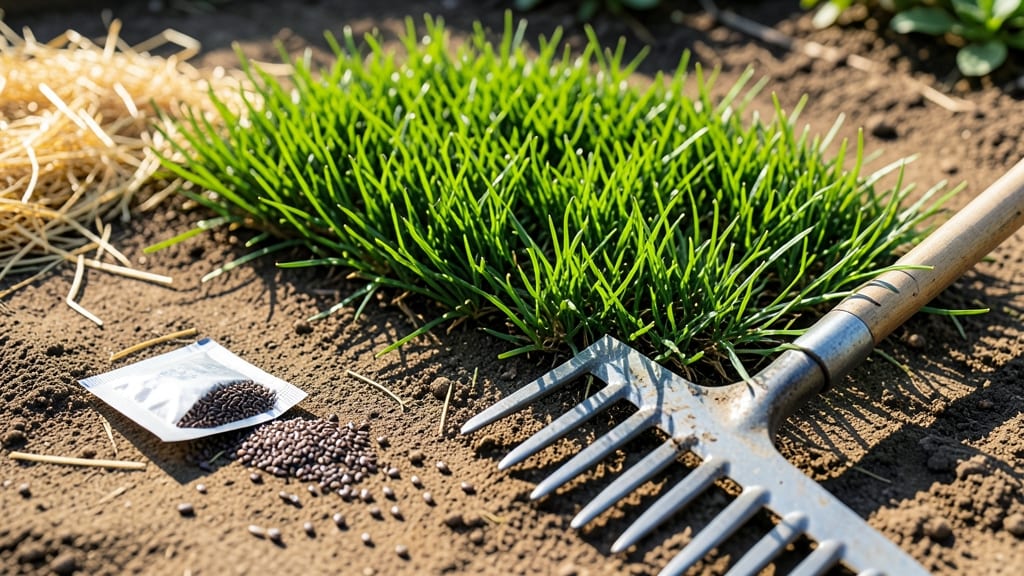
If you're dreaming of a lush, heat-resistant lawn in North Texas, timing your Bermuda grass seed planting is the key to success. Planting too early risks frost damage, while waiting too long weakens root growth before summer’s brutal heat arrives.
Bermuda grass thrives in USDA Zone 8a, but the exact weeks for planting—typically late spring to early summer—depend on soil temperatures and rainfall patterns. Miss this window, and you’ll battle patchy growth or even total failure.
I’ll break down the ideal planting timeline for North Texas, including soil prep tips and how to adjust for urban vs. rural microclimates. By the end, you’ll know exactly when to plant for a thick, vibrant lawn that survives the Texas heat.
Whether you’re in Dallas, Fort Worth, or Waco, these insights will help you avoid common mistakes and maximize your grass’s potential. Let’s get started!
North Texas Bermuda grass planting timeline: exact weeks for optimal germination and root growth
Bermuda grass thrives in North Texas’ hot, dry climate, but planting it at the wrong time means slow germination or even seed failure. The ideal window spans April through June, when soil temperatures hit 75–85°F and rainfall patterns support root development.
This isn’t just guesswork—it’s about matching your lawn’s needs to North Texas’ unpredictable spring weather.
For Dallas and Fort Worth, the sweet spot is mid-April to early June, while Waco’s slightly hotter climate allows for planting as early as late March. The key is waiting until the last frost date (March 15) has passed and soil stays consistently warm.
Planting too early risks frost damage, while waiting too long weakens summer establishment.
Here’s the week-by-week breakdown for your North Texas lawn, based on soil temperature, rainfall, and heat tolerance:
| Week | Soil Temp (°F) | Rainfall Needs | Action | Notes |
|---|---|---|---|---|
| Week 1 (Late March) | 60–65°F | Low (0.5–1 inch) | Prep soil, test pH | Risk of frost; wait for warmth |
| Week 2 (Early April) | 65–70°F | Moderate (1–1.5 inch) | Plant in Waco only | Dallas/Fort Worth: Wait 1–2 weeks |
| Week 3–4 (Mid-April) | 70–75°F | Moderate (1–1.5 inch) | Plant in Dallas/Fort Worth | Germination starts in 7–14 days |
| Week 5–6 (Late April) | 75–80°F | High (1.5–2 inch) | Peak planting time | Best for full root growth |
| Week 7–8 (May) | 80–85°F | Moderate (1–1.5 inch) | Late planting; monitor heat | Risk of drought stress |
| Week 9–10 (June) | 85–90°F | Low (0.5–1 inch) | Avoid; high heat risk | Seeds may dry out |
For urban areas like Dallas, where pavement absorbs heat, soil warms faster—plant 1–2 weeks earlier than rural zones. In contrast, Waco’s clay soil holds moisture longer, so you can start 2 weeks ahead of Fort Worth.
Always check a soil thermometer before planting; seeds need 75°F+ soil to germinate reliably.
If you miss the spring window, August is your backup, but success depends on consistent irrigation to combat summer heat. Bermuda grass planted in August can still establish, but it’ll struggle without daily watering for the first 4 weeks.
Avoid planting after mid-July—the heat becomes too intense for new seeds.
Pro tip:
Critical factors that determine success: soil temperature, rainfall, and heat tolerance
Planting Bermuda grass seed in North Texas isn’t just about picking a month—it’s about understanding three critical factors: soil temperature, rainfall patterns, and heat tolerance. Bermuda thrives when soil temperatures stay between 75°F and 85°F for consistent germination.
If you plant too early, seeds may rot in cool soil, while late planting risks weak root establishment before summer’s brutal heat arrives.
Rainfall plays a dual role: too little means seeds dry out, but too much can wash them away. North Texas averages 3-5 inches of rain per month during peak planting season (April–June), but droughts are common.
I always check the National Weather Service forecasts before seeding to avoid planting during predicted dry spells.
Heat tolerance is Bermuda’s superpower, but even it struggles if planted too late. The grass goes dormant in 90°F+ temperatures, so seeds planted in late June or July may not establish strong roots before the heat sets in.
Aim for April 15–May 30 for the best balance of warmth and moisture.
Planting Risks
- Seeds rot in cool soil
- Frost risk (March 15 avg last frost)
- Slow germination (3+ weeks delay)
- Weak root growth before heat stress
- Higher water needs (drought risk)
- Thinner coverage (20% less density)
- Soil 75–85°F for fast germination
- Moderate rainfall (3–5 inches/month)
- Strong roots before summer heat
To test soil temperature, use a soil thermometer (available at garden centers for ~$10). Bury it 2 inches deep in the morning—if it reads below 65°F, wait at least 2 weeks before planting.
For rainfall, I rely on the Texas A&M AgriLife Extension drought monitor to spot trends before seeding.
Adjust your planting date based on your North Texas location: Dallas/Fort Worth can plant slightly earlier (early April) due to urban heat islands, while Waco may need to wait until late April for consistent warmth. Always prioritize soil temperature over calendar dates—it’s the #1 predictor of success.
Finally, mulch with straw (not grass clippings) to retain moisture and regulate soil temperature. This simple step can improve germination rates by 30–40% in North Texas’ variable climate. 🌱