
Plants
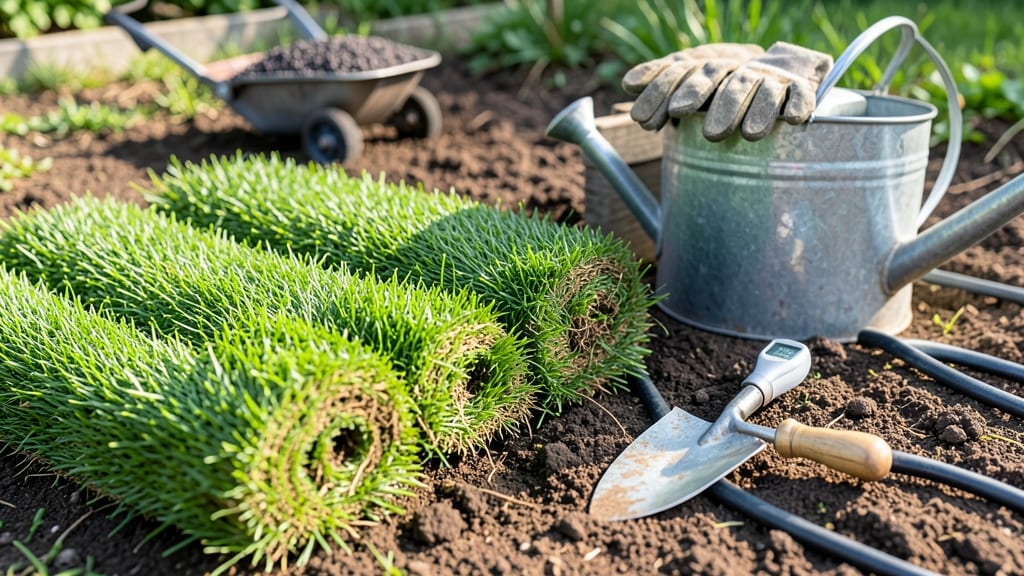
Oklahoma’s Bermuda grass planting deadlines by heat Zone (7a vs. 8a)
Timing your Bermuda grass planting in Oklahoma isn’t just about the calendar—it’s about heat zones and soil temperatures. Oklahoma spans USDA Zones 7a-8a, and even a few degrees difference can mean the difference between a lush lawn and wasted seeds.
In Zone 7a (northern OK), you’ll need to wait longer for warm soil, while Zone 8a (southern OK) offers a slightly longer window. Let’s break down the exact planting deadlines to avoid frost damage and maximize germination.
Bermuda grass is a warm-season grass, meaning it thrives when soil temperatures stay above 65°F (18°C) for at least 4-6 weeks. Planting too early in cool soils can lead to poor germination or even seed rot.
Conversely, planting too late in summer heat stresses young seedlings. The sweet spot? Late April to early June for spring planting and late August to early September for fall planting—both aligned with Oklahoma’s frost-free periods.
Here’s how to check your local microclimate for precision timing: Use a soil thermometer (inserted 4 inches deep) to confirm temperatures. If your soil hasn’t hit 65°F by May 1st, wait until it does—even if it’s June.
Southern Oklahoma (Zone 8a) can start as early as mid-April, while northern areas (Zone 7a) may need to wait until late May.
🌱
If you’re unsure about your exact heat zone, use the USDA Plant Hardiness Zone Map or check with your local Oklahoma Cooperative Extension Service. They can provide hyper-local advice based on your county’s microclimate.
For example, areas near Wichita Mountains may have cooler nights, while the Red Bed Plains can run hotter.
Another critical factor is rainfall patterns. Oklahoma’s spring can be unpredictable—some years bring heavy rains in April, while others stay dry until June. If you’re planting in dry conditions, consider using a starter fertilizer with gypsum to improve soil moisture retention.
For wet springs, delay planting until the soil dries out to prevent seed rot.
For sod vs. seed decisions, timing shifts slightly. Sod can be installed as soon as soil is workable (usually 2-4 weeks earlier than seeds), but seeds need consistent warmth to germinate.
If you’re using sod, aim for late April to early May in Zone 7a and mid-March to April in Zone 8a, ensuring roots can establish before summer heat arrives.
Pro tip: If you miss the spring window, don’t despair—fall planting (late August to early September) is your second chance. Bermuda grass can still establish strong roots before first frost, provided you water deeply and avoid fertilizing after September 1st.
This gives your lawn a head start for spring green-up.
✂️
How to prepare Oklahoma soil for Bermuda grass planting (step-by-step)
Preparing your Oklahoma soil for Bermuda grass is the secret to a thick, lush lawn that survives the state’s intense heat and clay-heavy soils. Unlike cooler climates, Bermuda thrives when planted in warmer soil temperatures (65°F+)—but only if the ground is properly prepped first.
Skipping this step means slower germination, weak roots, and vulnerability to fungal diseases common in Oklahoma’s humid summers.
Start with a soil test—Oklahoma’s clay soils often need amendments like compost or sand to improve drainage. My local extension office provides free tests, or you can use a DIY kit. Aim for a pH between 6.0 and 7.0; Bermuda grass prefers slightly acidic to neutral soil.
If your test shows lower pH, add pelletized lime 2-3 months before planting to adjust it gradually.