
Plants
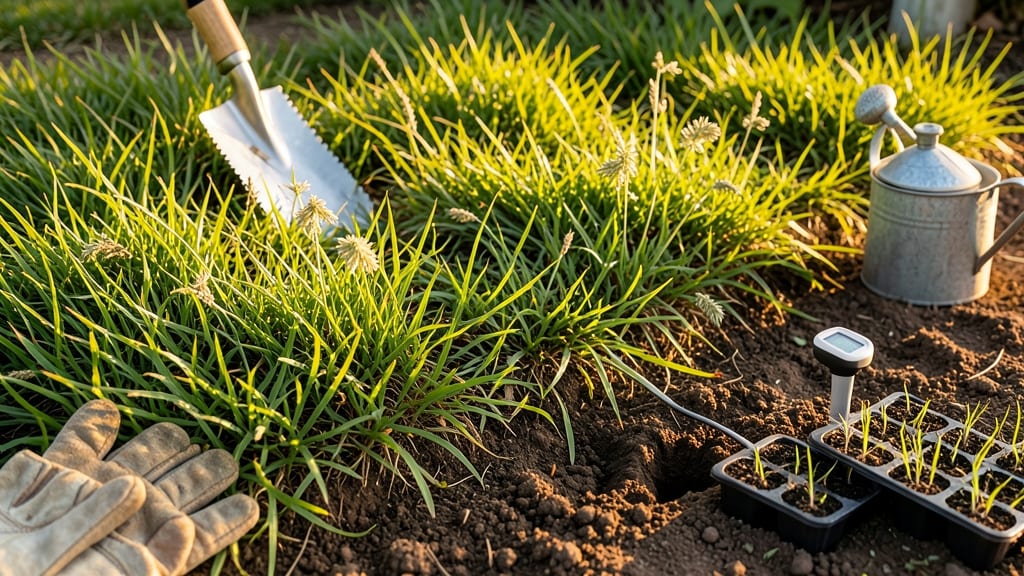
Planting Bermuda Grass at the wrong time in Oklahoma can mean the difference between a lush, green lawn and one that struggles to survive the state's intense heat—so getting the timing right is absolutely critical.
With Oklahoma's 6b-8a climate zones, you’ve got a narrow window to plant for strong root growth before summer hits, and missing it could leave your lawn vulnerable to drought and weeds.
I’ve spent years working with Oklahoma lawns, and what I’ve learned is that late April through early June is your best bet for spring planting, while fall offers a second chance from August to early September.
But here’s the catch: not all counties are created equal—microclimates can shift your ideal planting date by weeks, and soil prep makes or breaks your success.
In this guide, I’ll break down the exact planting windows for your Oklahoma county, including how to adjust for heat zones and drought conditions.
You’ll discover whether sod or seed works better for your climate, plus the 3 key soil prep steps that most homeowners overlook—and how to avoid the most common mistakes that kill Bermuda Grass before it even takes hold.
Ready to transform your lawn from patchy to picture-perfect? Let’s dive into the county-specific dates and strategies that’ll give your Bermuda Grass the strong start it needs to thrive all summer long.
Optimal planting windows for Bermuda grass by Oklahoma county (with heat-Zone adjustments)
Oklahoma’s diverse climate zones mean your Bermuda grass planting window can vary by hundreds of miles. In the panhandle (Zone 7b-8a), you can start as early as mid-April, while southeastern Oklahoma (Zone 7a) may need to wait until late April to avoid late frosts.
The key is planting when soil temps hit 65°F—your grass won’t germinate before then, no matter how eager you are!
Timing also depends on whether you’re using seed or sod. Sod establishes faster but requires warmer soil temps (70°F+), while seed needs consistent moisture and 65°F minimum.
In central Oklahoma (Zone 7a-7b), aim for late April to early May—this gives roots time to anchor before summer’s 100°F+ heat waves hit.
Here’s the county-by-county breakdown of ideal planting windows, adjusted for Oklahoma’s microclimates and drought-prone summers:
| Region | USDA Zone | Seed Planting Window | Sod Planting Window | Key Consideration |
|---|---|---|---|---|
| Panhandle (e.g., Beaver, Cimarron) | 7b-8a | Mid-April to early May | Late April to mid-May | Drier climate; water deeply |
| Central OK (e.g., Oklahoma City, Stillwater) | 7a-7b | Late April to early June | Early May to mid-June | Moderate rainfall; avoid June heat |
| Southeast (e.g., Tulsa, Muskogee) | 7a | Late April to early May | Early May to late May | Higher humidity; watch for fungal risks |
| Fall Planting (All Regions) | 7a-8a | August to early September | Late August to mid-September | Cooler temps reduce drought stress |
If you plant too early, your Bermuda grass will sit dormant in cool soil, becoming a prime target for fungal diseases like brown patch. Conversely, planting after June risks summer drought stress, where young roots struggle to establish before Oklahoma’s 100°F+ heat sets in.
My pro tip: Use a soil thermometer to confirm 65°F+ soil temps before seeding.
For sod installation, wait until soil temps hit 70°F+—this ensures roots knit together quickly and outcompete weeds. In southern Oklahoma (Zone 7a), this often means late May, while northern counties (Zone 7b) can start by early May.
Always water deeply for the first 2-3 weeks to encourage root growth.
Don’t overlook fall planting—August to early September offers a second chance for a thicker lawn next spring. The cooler temps reduce watering needs, and established roots handle winter better.
Just avoid planting after September 10th, as new growth won’t harden off before first frosts in November.
Protect your Bermuda grass from Oklahoma’s intense sun by mulching with straw (not hay—it contains weed seeds!). Spread a thin layer (¼ inch) over seeded areas to retain moisture and regulate soil temps. Remove it once germination begins (10-14 days) to prevent matting.
Finally, test your soil pH before planting—Bermuda grass thrives in pH 6.0-7.0. Oklahoma’s clay-heavy soils often test <
How to prepare your soil and seed for maximum Bermuda grass root establishment
Bermuda grass thrives in Oklahoma’s heat, but only if your soil and seedbed are prepped correctly. Clay-heavy Oklahoma soils need special attention to ensure strong root growth and drought resistance. Start by testing your soil pH (6.0-7.0)—Bermuda grass struggles in acidic or alkaline extremes.
If your soil is compacted, loosen it 8-12 inches deep with a tiller or rototiller. This helps roots penetrate easily and prevents water runoff during Oklahoma’s intense summer storms. Mix in 2-3 inches of compost or aged manure to improve drainage and nutrient retention.
For seed-based planting, choose a high-quality Bermuda grass seed mix like ‘Tifway’ or ‘Riverdale’—these varieties handle Oklahoma’s heat and drought better. If using sod instead, select disease-resistant rolls to avoid fungal issues common in humid Oklahoma summers.
Step-by-Step Soil & Seed Prep for Bermuda Grass
- 🔧 Test soil pH (aim for 6.0-7.0) using a soil kit or lab test.
- 🌱 Loosen soil 8-12 inches deep to break up clay and improve aeration.
- 💧 Add compost or sand (if soil is too dense) to improve drainage.
- 🌱 Choose seed or sod suited for Oklahoma’s heat (e.g., ‘Tifway’ or ‘Riverdale’).
- ✂️ Rake seedbed smooth to ensure even seed-to-soil contact.
- 💧 Water lightly before planting to settle soil and prevent seed displacement.
After planting, water deeply 2-3 times daily for the first 2 weeks to keep soil moist but not soggy. Bermuda grass seeds need consistent moisture to germinate, especially in Oklahoma’s hot, dry winds. Use a light mulch layer (straw or peat moss) to retain moisture and block weeds.
For sod installations, water immediately after laying to help roots bond with the soil. Keep the sod damp for 2-3 weeks while roots establish—this is critical in Oklahoma’s high-evaporation summers. Avoid heavy foot traffic until the sod is fully rooted.
Finally, apply a slow-release nitrogen fertilizer (16-4-8 or 30-0-4) 4-6 weeks after planting to boost root growth. This timing ensures your Bermuda grass develops a deep, drought-resistant root system before Oklahoma’s peak heat arrives.