
Plants
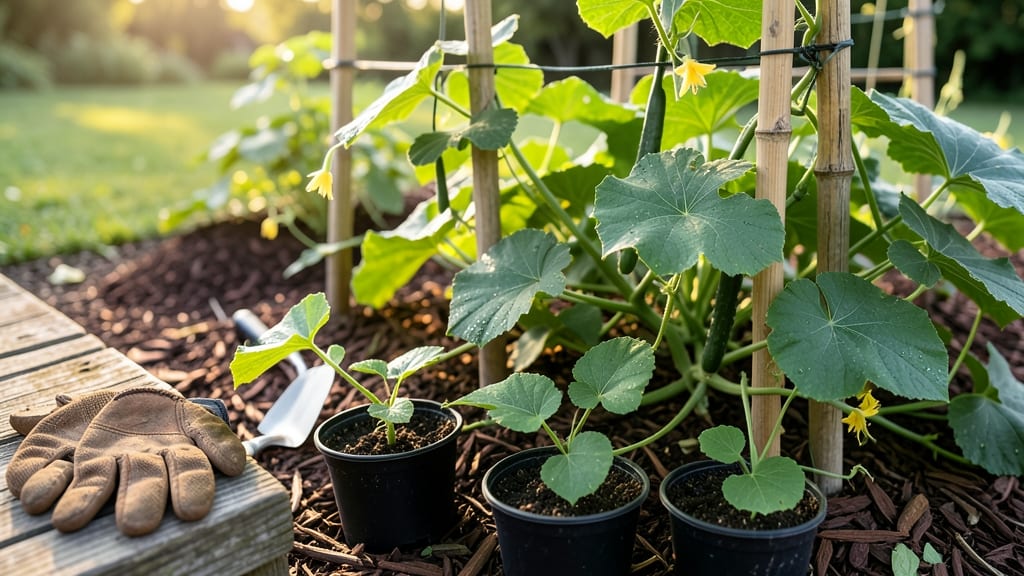
If you’ve ever watched your 🥒 cucumber plants wilt under South Texas heat—or worse, get fried by a surprise frost—you know timing is everything.
Planting cucumbers in the wrong window means bitter fruit, stunted vines, or even total loss, but get the deadlines right, and you’ll enjoy crisp, homegrown harvests from May through October.
The key is understanding South Texas’s two planting seasons: early spring (mid-February to May) and late summer (July to September). Skip the guesswork by aligning your schedule with soil temperatures (at least 60°F) and avoiding the brutal summer peak when cucumbers bolt or burn.
I’ll break down the exact windows for your 9a-10a zone, plus pro tips to beat the heat.
Why does this matter? Because in South Texas, where 270 frost-free days turn into scorching summers, cucumbers need a fighting chance. Whether you’re a first-time gardener or a seasoned grower, mastering these deadlines means fewer failed plants and more homegrown snacks on your table.
Let’s dive into the heat-zone deadlines that’ll turn your cucumber dreams into reality—no more wasted seeds or wilted vines. Ready to plant with confidence?
South Texas cucumber planting deadlines by heat zone (exact dates for zero-frost success)
South Texas' USDA Zones 8a-10a create a unique challenge for cucumber growers. Unlike northern climates, we don't have to worry about hard freezes, but soil temperature and humidity spikes demand precise timing.
The key is planting when soil reaches 60°F—this triggers consistent germination and growth before summer's brutal heat sets in.
For most of South Texas, the last frost date averages around January 15, but the real deadline is when nighttime temperatures stay above 55°F consistently.
This typically falls in mid-February for coastal areas and late February for inland regions like San Antonio. Missing this window risks poor germination or stunted plants.
Here's the exact planting timeline tailored to South Texas' microclimates:
| Planting Window | USDA Zones | Soil Temp Requirement | Best Method | Harvest Window |
|---|---|---|---|---|
| Mid-February to early April | 8a-9a (Hill Country) | 60°F+ consistently | Direct sow or seedlings | May-July |
| Late February to early May | 9b-10a (Coastal) | 60°F+ (earlier in 10a) | Seedlings preferred | April-August |
| Late July to early September | All zones (fall crop) | 70°F+ (cooler nights) | Direct sow only | September-November |
Notice the fall planting window in late July? This is critical for South Texas gardeners—it lets you harvest cucumbers when summer's 100°F+ heat would otherwise make growing impossible. The secret is choosing heat-tolerant varieties like 'Straight Eight' or 'Lemon Cucumber' that can handle the transition from summer to fall.
For direct-sown seeds, aim to plant when soil is 60°F+ and nighttime temps stay above 55°F. In South Texas, this means waiting until after March 1 for most areas.
If you're using seedlings, you can start slightly earlier (late February) since they're more established. Just be prepared to provide shade during the hottest part of the day.
Pro tip: Use a soil thermometer to confirm temperatures—South Texas' black soil can heat up faster than you'd expect. I once planted too early in a 58°F soil and had only 30% germination. The lesson? Wait for 60°F—it's worth the delay for stronger plants.
If you're in Zone 10a (like Brownsville), you can even plant cucumbers in January under 30% shade cloth. The key is avoiding prolonged heat stress—once temps hit 95°F+, cucumbers start bolting (flowering without fruit) or develop bitter, seedy cucumbers.
For a second harvest, plan your fall planting by August 15. This gives plants 8-10 weeks to mature before the first light frosts in December. Use black plastic mulch to warm the soil and extend the season by 2-3 weeks.
Remember: South Texas cucumbers thrive when planted after the last frost but before the worst heat. Get these deadlines right, and you'll enjoy crisp, sweet cucumbers from spring through fall—without the guesswork.
How to extend your cucumber growing season in South Texas heat (tips for avoiding bolting and wilting)
South Texas summers can turn your cucumber plants into crispy snacks if you don’t adapt. The key is strategic heat management—think of it like giving your plants a shady siesta during peak hours.
Even the hardiest varieties struggle when soil temps hit 90°F+, causing bolting (premature flowering) or wilting (droopy, stressed vines). But with the right tricks, you can stretch your harvest from late spring through early fall without losing plants to the heat.
First, choose heat-tolerant varieties—not all cucumbers are created equal. Look for types labeled "heat-resistant" or "long-vining" like ‘Straight Eight’, ‘Southern Sweet’, or ‘Arkansas Little Leaf’.
These varieties handle 95°F+ soil temps better than standard slicing cucumbers. Pair them with mulch (straw or black plastic) to keep roots 10°F cooler than air temps.
- Shade cloth (30-50%) during 11 AM–3 PM to block direct sun while allowing light penetration.
- Drip irrigation at soil level (not overhead) to avoid fungal diseases like powdery mildew.
- Morning watering only—never at night—to prevent wilting and root rot in humidity.
- Trellising vines off the ground reduces soil-borne heat and improves air circulation.
- Companion plants like radishes (break soil compaction) or beans (fix nitrogen) to outcompete weeds and retain moisture.
Don’t overlook soil prep—amend your beds with compost and aged manure before planting to improve water retention. In USDA Zone 10a (like Brownsville), you can even plant a fall crop in late July if you use row covers to shield seedlings from scorching afternoons.
Just remember: Cucumbers hate transplant shock, so start seeds indoors or use biodegradable pots for direct sowing.
Watch for heat stress signs like yellowing leaves or drooping vines—these mean it’s time to increase shade or pause watering (yes, really! Overwatering in heat is a common mistake).
If your plants bolt (send up flowers too fast), they’ll produce bitter fruit. To delay bolting, prune aggressively to focus energy on leafy growth before flowering.
For a second harvest, try succession planting in early September—this gives cucumbers 6-8 weeks of growth before fall rains arrive. Use raised beds if your soil stays soggy, as root rot is a silent killer in South Texas’ humid summers.
And always harvest frequently (every 2-3 days) to encourage more production—overripe cucumbers on the vine signal the plant is stressed and slowing down.
With these tweaks, you can double your cucumber yield and enjoy fresh picks from March through October—no more relying on store-bought, waxy cucumbers! The secret? Work WITH the heat, not against it. 🌿