
Plants
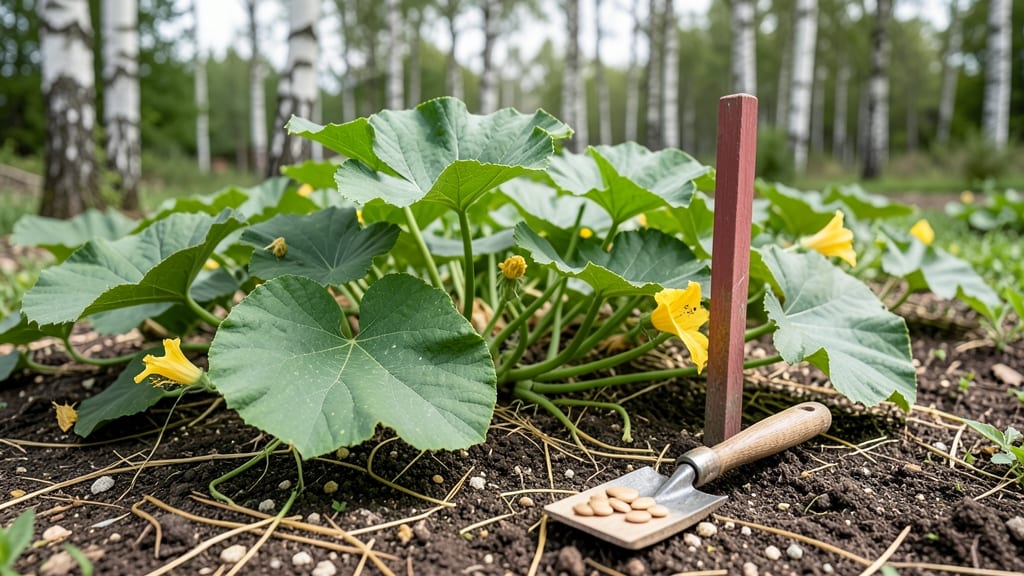
If you're dreaming of carving a 🎃 this Halloween or baking pumpkin pie this fall, timing your Ohio pumpkin seed planting is the key to success.
Planting too early risks frost damage, while waiting too long cuts your harvest window short—both mistakes can leave you with wilted vines instead of your dream pumpkins.
Ohio's USDA Zone 6a climate gives you a narrow but critical window to plant pumpkin seeds: mid-April to mid-May, once the soil warms to at least 70°F and the last frost has passed. This timing ensures your seeds germinate quickly and your plants mature before Ohio's first frost in October.
But here's the catch: Ohio's unpredictable spring weather can throw off even the best-laid plans. I'll show you how to adjust for your specific location—whether you're in Columbus, Cleveland, or Cincinnati—so you can maximize your chances of a bountiful harvest.
Ready to grow pumpkins that thrive? Let's dive into the exact dates, soil prep tips, and post-planting care that will turn your Ohio garden into a pumpkin patch paradise by fall.
Ohio pumpkin planting dates by last frost average (with hardiness zones 5-6)
Ohio’s last frost dates vary dramatically across its USDA Zones 5-6, making precise timing critical for pumpkin success. In northern cities like Cleveland (Zone 5b), the average last frost hits May 15, while southern Cincinnati (Zone 6a) typically sees frost-free conditions by April 20.
Columbus falls right in the middle, with April 25 as the target date.
For direct sowing, wait until soil temperatures reach 70°F (21°C)—a critical threshold for germination. Use a soil thermometer to confirm, as cool soils (below 60°F) will delay sprouting by weeks. Most Ohio gardeners plant between mid-April and mid-May, aligning with moisture availability after spring rains.
Here’s how to adjust your planting window based on Ohio’s microclimates and pumpkin variety:
If you’re growing giant pumpkins (like Atlantic Giant), start seeds indoors 2-3 weeks earlier and transplant after the last frost. These varieties need 120+ days to mature, so early starts are essential.
For smaller varieties (e.g., Jack Be Little), direct sowing works well even in late May, as they mature in just 75–85 days.
Ohio’s first frost typically arrives October 15, leaving only 165 frost-free days for pumpkins. This short season means fast-maturing varieties are your best bet in northern Ohio, while southern regions can experiment with longer-season types. Always account for 2 weeks of buffer before the first frost to ensure harvests.
For transplanting, harden off seedlings for 7–10 days before moving them outdoors. Choose overcast days to reduce transplant shock, and water deeply immediately after planting. Morning watering (before 10 AM) prevents fungal diseases like powdery mildew, which thrives in Ohio’s humid summers.
Use row covers if planting early to protect seedlings from unexpected late frosts. Remove covers once plants reach 3–4 inches tall to avoid overheating. In high-risk areas (e.g., near lakes), consider backup planting dates in early June for a secondary harvest.
Monitor soil moisture closely after planting—consistent 1–2 inches of water weekly is critical, especially during flowering (6–8 weeks post-planting). Ohio’s summer droughts can stunt growth, so mulch with straw or leaves to retain moisture and regulate soil temperature.
🎃 Key Takeaway: Plant pumpkins in Ohio after the last frost when soil hits 70°F, adjusting for your region’s microclimate. Northern Ohio = May 1–15; Southern Ohio = April 10–25. Fast varieties are safer in cooler zones!
Ohio pumpkin planting dates by last frost average (with hardiness zones 5-6)
Ohio’s USDA Zones 5-6 mean your pumpkin seeds need to hit the soil at the perfect moment—after the last frost but before summer’s heat sets in. For most of Ohio, this window opens around mid-April to mid-May, but exact dates vary by location.
In Columbus, for example, the average last frost is April 15, while Cleveland typically waits until May 1 due to cooler lake effects. Cincinnati falls somewhere in between, with a April 20 average.
Timing isn’t just about frost—soil temperature matters too. Pumpkin seeds need 60-70°F soil to germinate. Use a soil thermometer to confirm readiness; if it’s cooler, wait. Planting too early risks seeds rotting in cold, wet soil.
Pro tip: Start seeds indoors 2-3 weeks before your target outdoor date for a head start on the season.
Here’s the critical comparison for Ohio’s major regions, including soil temp thresholds and backup dates if spring drags on:
For giant pumpkin varieties like Atlantic Giant (100+ days to maturity), aim for the earliest dates in your region. Smaller varieties like Jack Be Little (75-80 days) offer flexibility—you can plant them up to June 1 in Ohio and still harvest before frost.
Just be prepared for smaller yields if planting late.
Direct sowing is best for pumpkins—transplanting stresses the delicate roots. If you’re growing bush varieties, space seeds 3-4 feet apart; for vining types, give them 5-6 feet of space.
Use black plastic mulch to warm the soil faster and suppress weeds, which is especially helpful in Ohio’s cooler springs.
Ohio’s 165-day frost-free season is tight for long-season varieties, so don’t wait until June to plant unless you’re committed to smaller harvests.
Mark your calendar now: soil thermometer in hand, seeds ready to go, and you’ll be well on your way to a pumpkin patch that rivals any Halloween display.