
Companion Plants
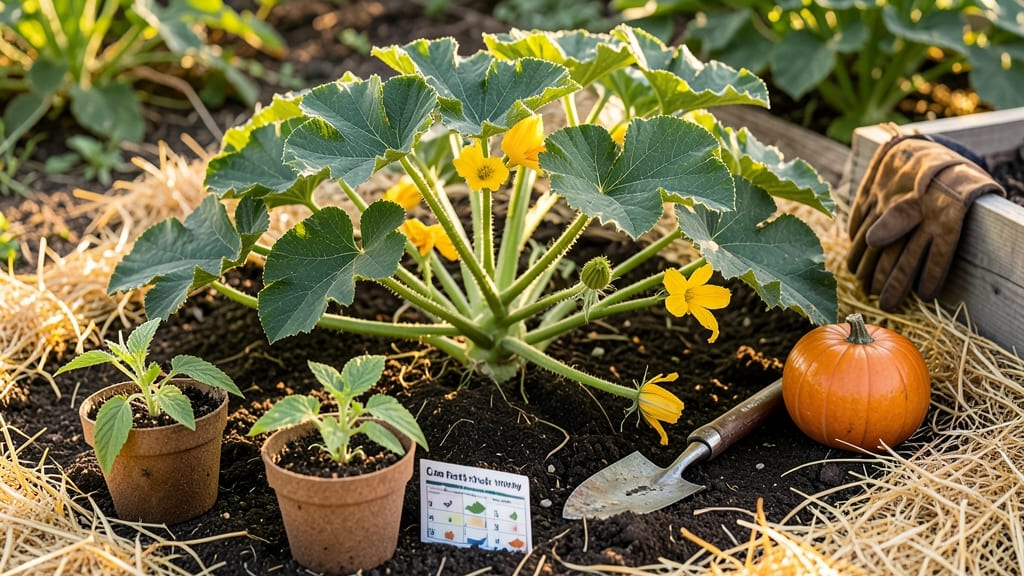
If you’ve ever dreamed of growing your own 🎃 pumpkins in Ohio, timing is everything—plant too early, and frost will nip your vines; too late, and your harvest won’t ripen before winter.
The key to success lies in knowing Ohio’s 6a zone frost dates and matching them to the right pumpkin varieties.
Ohio’s last frost typically arrives in mid-April, but soil temperature is the real game-changer—wait until it hits a steady 60°F before planting seeds. Whether you’re growing fast-maturing ‘Jack Be Little’ or classic ‘Howden’ pumpkins, getting the timing right ensures a bountiful harvest between September and October.
In this guide, I’ll break down the exact planting windows for Ohio, compare seed vs. seedling methods, and share pro tips to avoid common mistakes. Let’s turn your pumpkin patch into a thriving success story.
From soil prep to frost protection, you’ll learn how to maximize your growing season and enjoy homegrown pumpkins that rival the grocery store—without the guesswork. Ready to dig in?
Ohio’s frost dates & ideal pumpkin planting windows by month
Ohio’s frost dates vary by region, but most areas experience their last spring frost between April 15-30, while the first fall frost typically arrives by October 15. This gives you roughly 165 frost-free days—just enough time for pumpkins to mature if planted correctly.
Timing is critical because pumpkins need 90-120 days to harvest, depending on the variety.
For summer squash varieties (like zucchini or pattypan), you can plant 2-3 weeks after your last frost date—usually mid-May to early June.
However, winter squash (like pumpkins and butternuts) require a longer growing season, so aim to plant seeds after Memorial Day weekend (around May 25-31) to ensure they mature before frost.
If you’re using transplants instead of seeds, start them indoors 4-6 weeks before your last frost date. Ohio’s USDA Zone 6a climate means cooler springs, so don’t rush—wait until soil temperatures reach at least 60°F (use a soil thermometer to check!).
Planting too early in cold soil can stunt growth or invite disease.
Here’s a quick breakdown of Ohio’s planting windows by month to maximize your harvest:
| Month | Ideal Planting Time | Notes |
|---|---|---|
| May | Late May (after last frost) | Best for early varieties; soil must be warm. |
| June | Early to mid-June | Peak time for most pumpkin varieties. |
| July | Late July (for fall harvest) | Riskier; use fast-maturing varieties. |
| August | Not recommended | Plants won’t mature before frost. |
For northern Ohio (e.g., Cleveland, Toledo), plant 1-2 weeks later than the statewide average to account for cooler temperatures. In southern Ohio (e.g., Cincinnati, Columbus), you can push planting to early June safely. Always check your local Cooperative Extension Service for region-specific advice—Ohio’s microclimates can shift frost dates by weeks!
Pro tip: Use black plastic mulch to warm the soil faster and extend your planting window by 1-2 weeks. This is especially helpful if you’re growing long-season varieties like ‘Cinderella’ or ‘Sugar Pie,’ which need every extra day to mature.
Just lay the mulch down 1 week before planting to let it heat up the soil.
If you’re growing miniature pumpkins (like ‘Jack Be Little’), you can afford to plant slightly later—in early June—since they mature in just 75-85 days. But for standard-sized pumpkins, stick to the late May to early June window to avoid disappointment.
Remember, pumpkins won’t tolerate frost, so always have a backup plan (like a cold frame) if late-season weather turns chilly.
Finally, mark your calendar for September 15 as your harvest deadline. By this date, most Ohio regions experience their first hard frost, and pumpkins must be harvested before then.
If you’re lucky enough to have a mild fall, you might squeeze in a harvest as late as October 10, but don’t count on it!
🎃
Best pumpkin varieties for Ohio’s climate & their planting timelines
Ohio’s short growing season demands fast-maturing pumpkin varieties to avoid frost damage. I’ve grown ‘Jack Be Little’ (75 days) and ‘Howden’ (85 days) with success—they’re perfect for Ohio’s USDA Zone 6a climate. These compact varieties also work well in containers if space is limited.
For larger pumpkins, try ‘Sugar Pie’ (100 days) or ‘Cinderella’ (110 days), but plant them 2-3 weeks earlier than shorter-season types. I’ve seen ‘Cinderella’ produce 20-pound pumpkins in my southern Ohio garden when started in early May.
🎃 Pumpkin Variety Comparison for Ohio
| Variety | Days to Maturity | Best Planting Time | Size | Ohio Notes |
|---|---|---|---|---|
| Jack Be Little | 75-85 | Mid-May to early June | 1-3 lbs | Great for containers; resistant to powdery mildew |
| Howden | 85-95 | Late April to May | 8-12 lbs | Classic carving pumpkin; needs trellis support |
| Sugar Pie | 100-110 | Early May | 15-25 lbs | Sweet flesh; plant in fertile soil |
| Cinderella | 110-120 | Late April | 20-30 lbs | Needs long season; use row covers |
For Ohio gardeners, transplanting seedlings gives you a 2-week head start over direct sowing. I buy 4-6 week old seedlings from local nurseries in early May, then harden them off for 5-7 days before planting. This works especially well for longer-season varieties like ‘Cinderella’.
Extend your harvest with black plastic mulch or row covers to protect young plants from late frosts. I’ve used floating row covers to push maturity dates back by 10-14 days in my cooler northern Ohio garden. Just
If you’re short on space, try bush-type varieties like ‘Waltham Butternut’ (90 days) which grow in 3-4 foot wide mounds instead of sprawling vines. These work beautifully in raised beds and are easier to maintain in Ohio’s humid summers.
Remember: Soil temperature is critical—wait until it reaches 60°F+ before planting. Use a soil thermometer to check, especially in Ohio’s clay-heavy soils that warm slowly. I’ve had poor germination when planting too early, even with frost-free forecasts.