
Plants
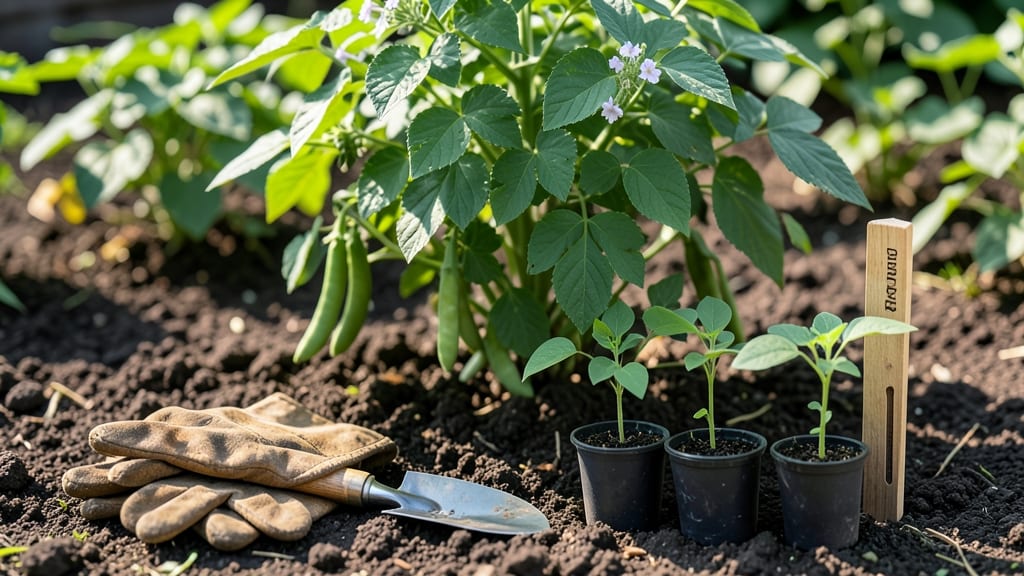
Timing your bean planting in Massachusetts can mean the difference between a bountiful harvest and wasted effort. With USDA Zone 6a conditions, knowing exactly when to plant 🌱 beans after the last frost is critical—especially since late spring frosts can still sneak up on you.
Most gardeners wait until mid-April to late May (after April 15) to sow seeds, but the real secret lies in soil temperature. Beans thrive when the ground reaches a steady 60°F, which typically happens by early May in most of the state.
This small detail can save your crop from stunted growth or worse.
Whether you're growing pole beans for vertical gardens or bush varieties for easy picking, the right timing extends your harvest window from July through September. I’ll break down the exact dates for each type, plus pro tips to beat Massachusetts’ unpredictable weather—so you can enjoy fresh beans all season long.
Ready to avoid common mistakes and maximize your yield? Let’s get into the details that make all the difference in your garden.
Massachusetts bean planting calendar: exact dates by bean type
Massachusetts' USDA zones 5b and 6a create a short but productive growing window for beans. The key is planting after the average last frost date, which typically falls between April 15 and May 1, depending on your region.
For Boston and Worcester, aim for mid-May, while Cape Cod's cooler microclimate may push planting to late May.
Soil temperature is just as critical as air temperature. Beans need soil temps above 60°F to germinate properly. Use a soil thermometer to confirm—planting too soon in cold soil leads to rotten seeds and poor germination.
Most Massachusetts gardeners achieve this by late May, but early varieties can sometimes be planted in early May if soil warms faster.
Here’s your region-specific planting timeline for pole beans, bush beans, and heirloom varieties. These dates align with local frost data from the Massachusetts State Climatologist, ensuring you avoid late spring frosts that can devastate young seedlings.
| Bean Type | Optimal Planting Window | Notes for Massachusetts | Harvest Window |
|---|---|---|---|
| Pole Beans (e.g., 'Kentucky Wonder', 'Rattlesnake') | May 15–June 15 | Plant after soil reaches 65°F. Use trellises to save space and improve air circulation. | July–September |
| Bush Beans (e.g., 'Blue Lake', 'Provider') | May 1–June 1 | Cold-hardy varieties like 'Provider' can tolerate 50°F soil temps. Ideal for succession planting. | June–August |
| Heirloom Beans (e.g., 'Scarlet Runner', 'Jacob’s Cattle') | June 1–July 1 | Longer maturity—wait until after June 1 to avoid heat stress. Best for late-summer harvests. | August–Frost |
| All Beans (Succession Planting) | Every 2–3 weeks until July 15 | Extend harvests by planting new batches every 2 weeks. Stop by July 15 to avoid heat-sensitive seedlings. | June–September |
For coastal areas like Cape Cod, where soils stay cooler longer, delay planting until mid-to-late May. Inland regions like Worcester or Springfield can start 1–2 weeks earlier due to faster soil warming.
Always check the National Weather Service for your local frost advisory—a late frost in May can wipe out seedlings overnight.
If you’re unsure about your last frost date, use black plastic mulch to warm soil by 5–10°F. Lay it down 2 weeks before planting to create a microclimate that encourages faster germination. This trick works especially well for heirloom varieties, which need more time to mature.
Pro tip: Pre-sprout seeds indoors 5–7 days before outdoor planting. Place seeds in a damp paper towel on a sunny windowsill. Once sprouts emerge and reach 1–2 inches tall, transplant them into the garden.
This head-start method gives you a 2-week advantage over direct sowing, critical for Massachusetts’ short season.
Remember, beans are heat-loving plants. If you plant too late (after July 1), they’ll struggle with high summer temperatures and may produce fewer pods. Stick to the May–June window for the best results, and use shade cloth if temperatures exceed 90°F during flowering.
For container gardening, choose bush varieties like 'Blue Lake' and plant in 5-gallon pots with well-draining soil. Containers warm up faster than garden beds, so you can plant 1 week earlier than in-ground beans. Just ensure pots get at least 6 hours of sun daily.
Finally, mark your calendar for October 15, Massachusetts’ average first frost date. This is your last call for harvests. If you have unripe pods lingering, try row covers to protect them for 1–2 more weeks—but don’t count on extending the season beyond mid-October.
How to extend your bean harvest season in Massachusetts
Massachusetts’ short growing season doesn’t mean you’re limited to one bean harvest. With smart succession planting and cold-hardy varieties, you can enjoy fresh beans from May through September.
The key is spacing out plantings every 2-3 weeks after your first sowing date, ensuring a continuous supply of tender pods.
Start with early-maturing varieties like 'Provider' or 'Kentucky Wonder', which tolerate cooler soils better than most. These can go in as soon as soil hits 55°F—about 2 weeks earlier than standard varieties.
For late-season success, opt for heat-tolerant types like 'Blue Lake', which thrive in July-August heat without bolting.
🌱 Pro Tip: Use black plastic mulch to warm soil faster in spring. This can shave off 1-2 weeks from your planting window, giving you an earlier start. Just remove it before flowering to prevent overheating.
📌 3 Key Strategies for Extended Harvests
- 🌱 Succession Planting: Sow seeds every 2-3 weeks from May 1-July 1 for continuous harvests.
- 🌡️ Soil Warmers: Use row covers or black plastic to accelerate soil warming by 10-15°F.
- 🌿 Companion Planting: Pair beans with corn and squash to maximize space and deter pests.
For late-season plantings, focus on varieties that mature in 50-55 days. These can be direct-sown in early July and still produce before the first frost. Just be prepared to harvest aggressively—beans planted this late won’t tolerate waiting.
Don’t overlook container growing for small spaces. Dwarf varieties like 'Mascotte' thrive in 5-gallon pots and can be moved to sunniest spots as the season progresses. This flexibility lets you adjust planting dates based on weather forecasts.
Finally, monitor your local frost dates—especially if you’re pushing the season. The Cape Cod region often has 2-3 weeks longer of growing time than inland areas. Use a frost calendar to time your last planting 60 days before your area’s first frost date.