
Plants
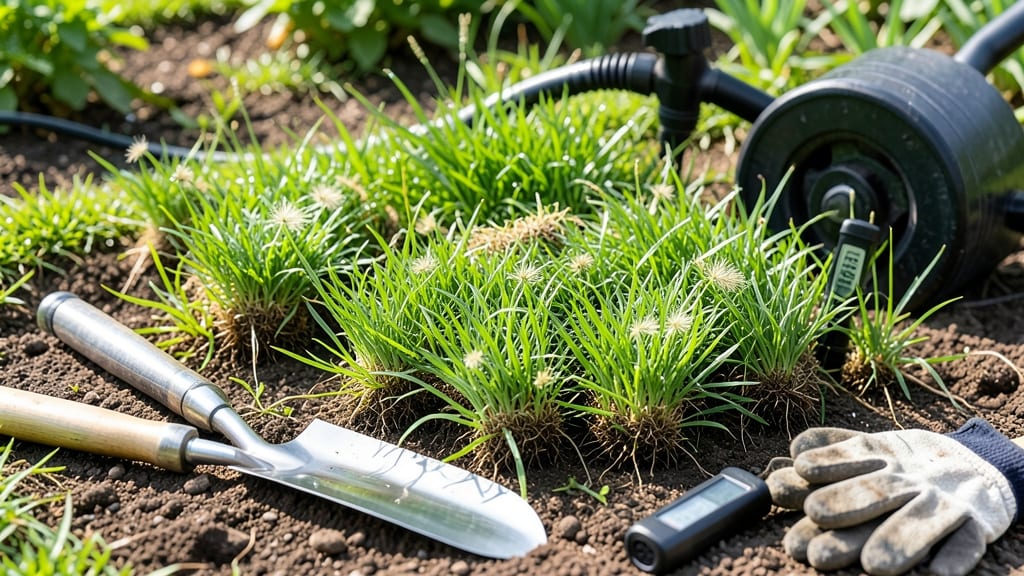
If you're dreaming of a lush, green Bermuda grass lawn in South Carolina, timing your planting is the most important step to success. Planting too early or too late can leave your grass struggling, even in our ideal 8a climate.
The secret lies in knowing exactly when to get those seeds in the ground for strong root growth before summer heat kicks in.
Most gardeners in South Carolina make one common mistake: they wait until spring's last frost has passed, but that's often too late for Bermuda grass 🌱. The best window actually opens 4-6 weeks before your average last frost date—typically in early March through April.
This head start gives your grass the perfect conditions to establish itself before our hot summers arrive.
Why does timing matter so much? Bermuda grass thrives in heat but needs consistent warmth to germinate properly. Planting at the right time means avoiding cold soil that slows growth and ensuring your lawn gets off to a fast, healthy start.
Let me show you exactly how to time your planting for maximum success in your specific part of the state.
In this guide, I'll walk you through the exact weeks to plant, how to prepare your soil, and what to watch for as your Bermuda grass takes root.
With these tips, you'll be well on your way to that thick, vibrant lawn you've been dreaming of—without the common pitfalls that trip up so many SC gardeners.
Best planting weeks for Bermuda grass in South Carolina: frost dates and regional variations
South Carolina’s USDA Zone 8a climate gives Bermuda grass a fighting chance—but timing your planting is critical. The last average frost date for most of SC falls around March 15, but regional variations mean your exact window depends on whether you're in the Upstate, Midlands, or Lowcountry.
Planting too early risks cold soil, while waiting too long can leave your lawn vulnerable to summer heat stress.
For optimal root establishment, aim to plant Bermuda grass 4-6 weeks before your last frost. This typically means late February to early April for most of SC. However, soil temperature is more important than calendar dates—wait until the ground reaches at least 65°F at a 4-inch depth.
In the Upstate (Greenville, Spartanburg), this might be early April, while the Lowcountry (Charleston, Hilton Head) can start as early as late February.
There’s also a late-summer replanting window from August to early September if you missed spring. This second chance allows Bermuda grass to establish roots before winter dormancy, but it requires consistent moisture to combat SC’s late-summer heat.
Many gardeners swear by this method for thicker, more resilient lawns the following year.
| Region | Last Frost Date | Ideal Planting Window | Soil Temp Threshold | Key Consideration |
|---|---|---|---|---|
| Upstate (Greenville, Spartanburg) | March 22 | Late March–Early April | 65°F+ | Cooler nights delay germination |
| Midlands (Columbia, Florence) | March 15 | Late February–Early April | 65°F+ | Moderate humidity speeds growth |
| Lowcountry (Charleston, Hilton Head) | March 1 | Late February–March | 60°F+ (warmer earlier) | Higher humidity increases fungal risk |
| Late Summer Replant | N/A | August–Early September | 70°F+ | Requires daily watering for 4+ weeks |
Many gardeners make the mistake of planting Bermuda grass in early spring when soil is still cool. If you plant too soon, seeds may rot or fail to germinate. Use a soil thermometer to confirm temperatures—this is the #1 factor in successful establishment.
Pro tip: In the Upstate, cover newly planted areas with lightweight row covers to warm the soil faster if needed.
If you’re in the Lowcountry, where humidity is higher, watch for fungal diseases like brown patch. Planting in late summer (August) gives Bermuda grass time to develop deep roots before winter, but you’ll need to water deeply 2-3 times per week until roots are established.
Avoid planting in September—the risk of frost increases, and new growth won’t harden off in time.
For fastest germination, choose late March to early April in most of SC. This window balances warm soil, longer daylight, and lower humidity—perfect conditions for Bermuda grass to take off.
Mark your calendar: If you miss this, your next best shot is late August, but be prepared for extra care.
One common misconception is that Bermuda grass can handle cool-season planting. It can’t. Unlike cool-season grasses like ryegrass, Bermuda grass is a warm-season plant that won’t germinate below 65°F.
Planting in February in the Upstate? Your seeds will likely just sit there, waiting for warmth. Use this time to prep your soil instead.
For best results, align your planting with SC’s growing degree days. Bermuda grass needs at least 1,200 growing degree days (50°F baseline) to establish a dense lawn. In the Midlands, this happens by mid-April, while the Lowcountry hits this mark by early April.
Use a growing degree day calculator for your exact location to fine-tune your timing.
Remember: Bermuda grass is aggressive once established, but it needs patience to get there. If you plant at the right time, you’ll see visible sprouts in 7-14 days and a full lawn in 60-90 days. Miss the window, and you might be waiting until next year for that l
How to prepare your South Carolina lawn for Bermuda grass planting: soil, sun, and seedbed secrets
Preparing your South Carolina lawn for Bermuda grass planting is just as critical as timing. The state’s clay-heavy soils and humid climate demand extra attention to ensure your new grass thrives. Start by testing your soil pH, which should ideally fall between 6.0–7.0 for optimal growth.
If your soil is too acidic or alkaline, amend it with lime or sulfur before planting.
Next, focus on sunlight exposure. Bermuda grass is a sun-loving plant that requires 6–8 hours of direct sunlight daily.
If your lawn has shaded areas, consider planting alternative grass types like St. Augustine or Zoysia in those spots. Full sun exposure is non-negotiable for a thick, vibrant Bermuda lawn.
Planting in cold soil below 65°F will stall germination. Always check soil temperature with a soil thermometer before planting. South Carolina’s Upstate may need to wait until late April, while the Lowcountry can start as early as mid-March.
Before planting, remove any existing grass or weeds using a non-residual herbicide like glyphosate. This ensures your Bermuda grass won’t compete with unwanted vegetation for nutrients. After treating, aerate your lawn in spring or fall to improve soil drainage and root penetration.
For clay-heavy soils, consider adding compost or sand to loosen the texture.
Create a smooth seedbed by raking the soil lightly to break up clumps. Avoid tilling too deeply, as Bermuda grass has shallow roots initially. Spread a starter fertilizer with a high nitrogen content (16-4-8) over the area to give your new grass a nutrient boost right from the start.
Water lightly to settle the soil without washing away the fertilizer.
Finally, mulch lightly with straw or peat moss to retain moisture and protect seeds from bird damage. Bermuda grass seeds are tiny, so keep them covered but not buried too deeply—just ¼ inch below the surface.
This setup ensures your grass gets the best possible start in South Carolina’s challenging climate.
With the right preparation, your Bermuda grass will establish strong roots and outcompete weeds within weeks. The key is patience and attention to detail—especially in the humid, heat-prone conditions of SC. Once established, your lawn will reward you with drought resistance and lush greenery all season long. 🌱