
Companion Plants
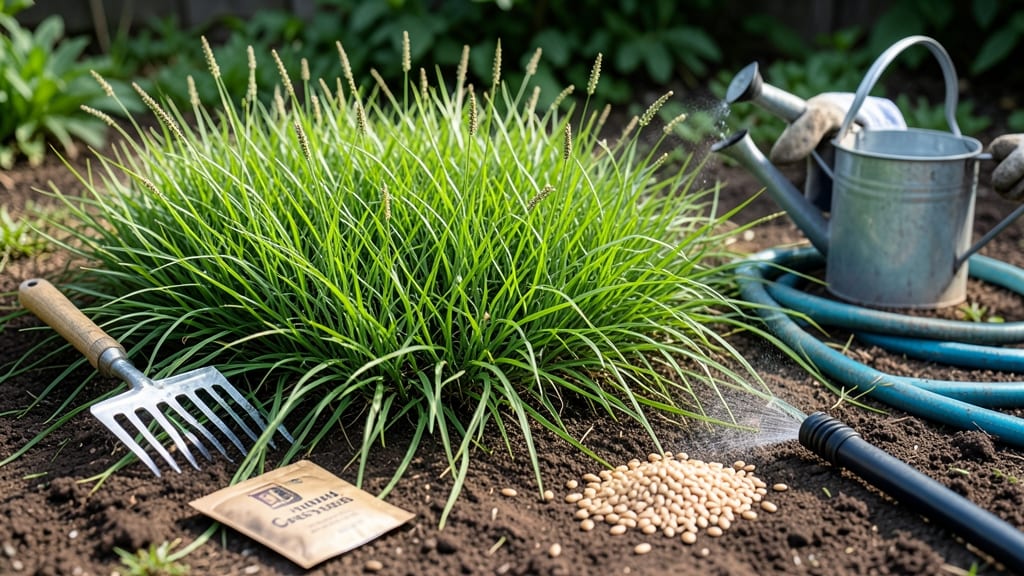
Planting Bermuda grass seed in Texas at the wrong time can turn your dream green lawn into a frustrating (and expensive) gamble.
The key to fast, lush growth isn't just about picking a month—it's about soil temperature, rainfall patterns, and avoiding summer's scorching heat that can fry your seed before it sprouts.
Most Texas gardeners know Bermuda grass 🌱 thrives in 8a-10b zones, but timing varies dramatically from North Texas to the Rio Grande Valley. Plant too early, and frost might nip your seedlings in the bud.
Too late, and you'll battle weeds or deal with seed that simply won't germinate in the heat.
I've seen firsthand how just a few degrees in soil temperature can mean the difference between a thriving lawn and wasted seed. The secret window?
Late spring to early summer (April-June) or early fall (August-September), when temperatures hit that sweet spot of 75-85°F—warm enough for germination but not so hot it stresses young plants.
In this guide, I'll break down exactly when to plant where in Texas, plus pro tips to prepare your soil and keep your new grass growing strong and fast—no guesswork required. Let's get that lawn looking its best.
Best planting windows for Bermuda grass seed in Texas by region
Texas’ diverse climate means your Bermuda grass planting window varies dramatically—from North Texas’ cooler springs to South Texas’ early warm spells. The key is soil temperature, not just the calendar. Aim for 75-85°F soil temps (measured 4 inches deep) to trigger germination.
For North Texas (Dallas/Fort Worth), the safest window is late April to mid-June or early August to mid-September. Central Texas (Austin/San Antonio) can start slightly earlier—mid-April to late June—while South Texas (Houston/Corpus Christi) often sees ideal conditions as early as March to May.
🌱Pro Tip: Use a soil thermometer ($10 at garden centers) to confirm temps before planting. If soil is below 65°F, seeds may rot or fail to sprout.
🌡️Why Soil Temp Matters: Bermuda grass seeds need warmth to germinate. If you plant in cooler months, seeds may sit dormant or rot. Fall planting (August-September) often works better than spring because summer heat is already established by then.
For North Texas homeowners, I recommend late August planting—this gives seedlings time to establish before first frost (usually November 15). In South Texas, March-April is ideal because humidity is lower and rains are less frequent.
💡Regional Hack: In Central Texas, watch for the "bluebonnet bloom" (late March-early April). When wildflowers peak, soil temps typically hit 75°F—perfect for seeding.
One common mistake is planting too early in North Texas (before May). Even if air temps feel warm, soil stays cool until after last frost. Always check soil, not air temperature.
🌿Fall vs. Spring Planting: Fall (August-September) often yields thicker grass because seedlings avoid summer’s extreme heat. Spring planting risks drought stress as temps climb.
For best results, align your planting with local rainfall patterns. South Texas’ May rains can wash away seeds, while North Texas’ June droughts require supplemental watering.
How to prepare your Texas lawn for Bermuda grass seed success
Preparing your lawn properly is the secret weapon for Bermuda grass seed success in Texas. Skipping this step means poor germination and wasted seed. Start by testing your soil—Bermuda thrives in slightly acidic to neutral soil (pH 6.0-7.0).
Use a soil test kit from your local extension office or buy one online for $10-$20. If your soil is too alkaline, add sulfur or peat moss to adjust the pH before planting.
Next, clear the area of weeds, rocks, and debris. Bermuda grass competes poorly with weeds, so pre-emergent herbicide applied 2-4 weeks before planting can prevent unwanted growth. For stubborn weeds, hand-pull or use a glyphosate-based herbicide like Roundup, but wait 2-3 weeks before seeding to avoid damaging new sprouts.