
Plants
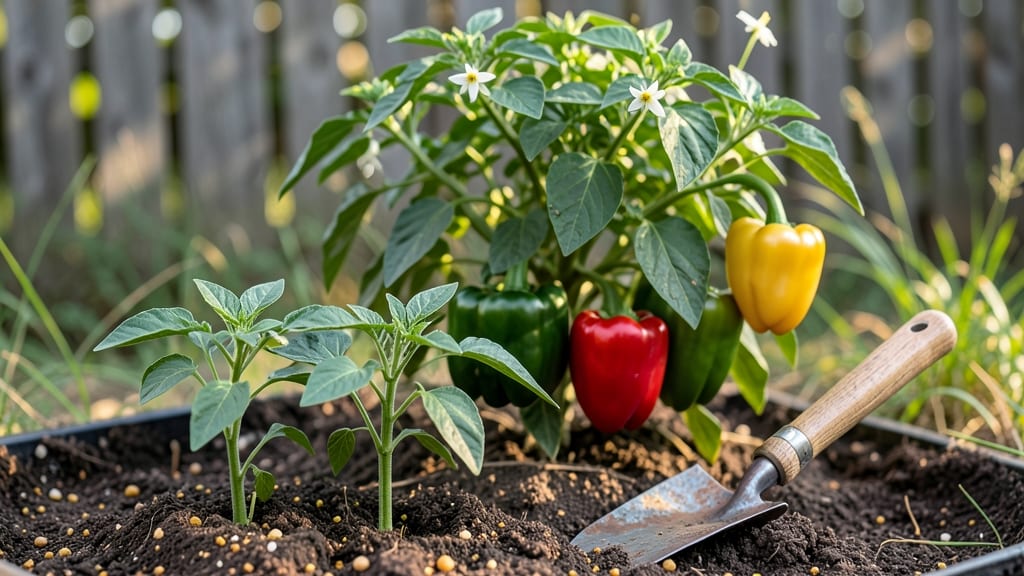
Timing your bell pepper 🌶️ planting in Southern California isn’t just about avoiding frost—it’s about outsmarting the heat. Unlike northern gardeners, you’ve got a year-round window, but planting too early risks stunted growth, while waiting too long means summer’s scorching sun can stress your plants before they bear fruit.
Here’s the secret: the sweet spot for most of Southern California’s 9b-11 zones is February through March for transplants, or April to May if you’re starting seeds.
Coastal areas like San Diego can push it slightly earlier, while inland spots near Palm Springs should wait until late spring to dodge the brutal summer heat.
Why does this matter? Because bell peppers 🌶️ hate two things: cold snaps (yes, they do happen in high deserts) and temperatures above 90°F for prolonged periods. Get it right, and you’ll enjoy a harvest from June through October.
Get it wrong, and you might end up with bitter, underwhelming peppers—or worse, no peppers at all.
In this guide, I’ll break down the exact planting windows for your microclimate, plus pro tips to stretch your growing season and keep your plants thriving. Let’s turn your garden into a bell pepper 🌶️ powerhouse!
Southern California heat zones: best planting windows by region (avoiding frost & heat stress)
Southern California’s diverse microclimates mean your bell pepper planting schedule should match your USDA Zone 9b-11 location. Unlike northern states, we don’t worry about frost damage—but heat stress after 90°F+ days can scorch young plants.
Coastal areas like San Diego and Santa Barbara stay milder longer, while inland Los Angeles and desert Palm Springs heat up faster. Let’s break down the ideal planting windows for each zone.
For coastal regions (e.g., Malibu, Long Beach), the safest time to plant bell pepper transplants is mid-February to early April. Soil temperatures here rarely drop below 60°F, giving seeds or seedlings a head start.
Inland areas like San Fernando Valley should wait until late March to mid-April to avoid late-winter heat spikes that can stress young plants.
Desert regions like Coachella Valley and Palm Springs have the shortest window: plant transplants in late March to early April and seeds in April. The ground heats up quickly, and direct-sown seeds may rot if planted too early.
Pro tip: Use black plastic mulch to warm soil faster in these areas.
| Region | Best Planting Window | Soil Temp Goal | Heat Risk |
|---|---|---|---|
| Coastal (Zone 9b-10a) | Mid-Feb to early April | 60°F+ | Low (mild summers) |
| Inland (Zone 10a-10b) | Late March to mid-April | 65°F+ | Moderate (hot summers) |
| Desert (Zone 11) | Late March to early April | 70°F+ | High (extreme heat) |
If you’re starting seeds indoors, begin 8-10 weeks before your target outdoor planting date. For coastal gardeners, that means mid-December to February. Inland gardeners should start seeds in January to avoid transplant shock when temperatures rise.
Use grow lights to maintain 12-16 hours of light daily—bell peppers need strong light to prevent leggy seedlings.
Watch for soil temperature cues: Use a soil thermometer to confirm 60°F+ for seeds and 65°F+ for transplants. In cooler microclimates (e.g., Santa Cruz Mountains), wait until nighttime temps stay above 55°F. Planting too early in these areas can lead to blossom end rot or stunted growth.
For summer planting, aim for late July to early August in inland/desert zones to harvest before October’s heat peaks. Coastal areas can push this to mid-August. Choose heat-tolerant varieties like ‘Jupiter’ or ‘Aristotle’ for these later plantings—they handle 95°F+ better than standard types.
Pro tip: Succession plant every 2-3 weeks from February to July for continuous harvests. This works especially well in container gardens, where you can replace finished plants with new seedlings. Just be sure to harden off transplants for 7-10 days before moving them outdoors to avoid shock.
Remember, Southern California’s lack of frost is a double-edged sword: you can grow year-round, but you must time plantings to avoid heat stress.
Pay attention to 7-day forecasts—if 100°F+ heat is predicted within 2 weeks of transplanting, delay your planting or use shade cloth to protect young plants.
Finally, amend your soil with compost or aged manure before planting to improve water retention and nutrient availability. Bell peppers are heavy feeders, and poor soil can lead to blossom drop even with perfect timing. Mulch with straw or wood chips to keep roots cool and moist.
By matching your planting window to your local heat zone, you’ll give your bell peppers the best shot at thriving—no matter where you garden in Southern California. 🌿
Southern California heat zones: best planting windows by region (avoiding frost & heat stress)
Southern California’s diverse microclimates mean your bell pepper 🌶️ planting timeline depends on whether you’re near the coast, inland, or in the desert.
Coastal areas like San Diego (Zone 10a) enjoy milder winters and can start transplants as early as January, while inland cities like Los Angeles (Zone 10b) should aim for February-March.
High desert regions near Palm Springs (Zone 11) face extreme summer heat, so wait until late April-May to avoid stressing young plants.
The key is avoiding two extremes: cold snaps (yes, they happen in the desert!) and prolonged 90°F+ temperatures before peppers mature. Most varieties need 75-90 days to harvest, so time it so they’re producing fruit when summer cools slightly in September-October.
Here’s how to match your region to the perfect window:
| Region | USDA Zone | Best Planting Window | Key Consideration |
|---|---|---|---|
| Coastal (San Diego, Santa Barbara) | 10a-11 | January-February (transplants) or March-April (seeds) | Milder winters; avoid late spring fog |
| Inland (Los Angeles, Orange County) | 10b-11 | February-March (transplants) or April-May (seeds) | Balanced heat; watch for Santa Ana winds |
| Desert (Palm Springs, Joshua Tree) | 11 | Late April-May (transplants only) | Extreme summer heat; use shade cloth |
For coastal gardeners, you can even squeeze in a fall crop by planting transplants in August-September—just choose fast-maturing varieties like ‘Early California Wonder’ (60 days to harvest).
Inland areas should focus on spring planting and avoid summer sowing, as peppers struggle to set fruit when daytime temps exceed 95°F for more than a week.
Pro tip: Check your local AgriMet station for real-time soil temps—bell peppers need 60°F+ soil to germinate. Inland areas often hit this by mid-March, while desert zones may need to wait until May.
If you’re unsure, err on the side of transplants over seeds, as they’re already hardened off and ready to grow.
One more critical note: high-elevation areas (like parts of the San Bernardino Mountains) can still see light frosts in winter. If you’re above 3,000 feet, treat them like Zone 9 and delay planting until mid-April to be safe. Use row covers if early blooms appear before summer heat arrives.
Now that you’ve got your timing locked in, the next step is extending your season—whether that means beating the heat with shade or stretching harvests into fall. Stay tuned for my next section on season-extending hacks that’ll keep your bell peppers 🌶️ producing well past September!