Plants
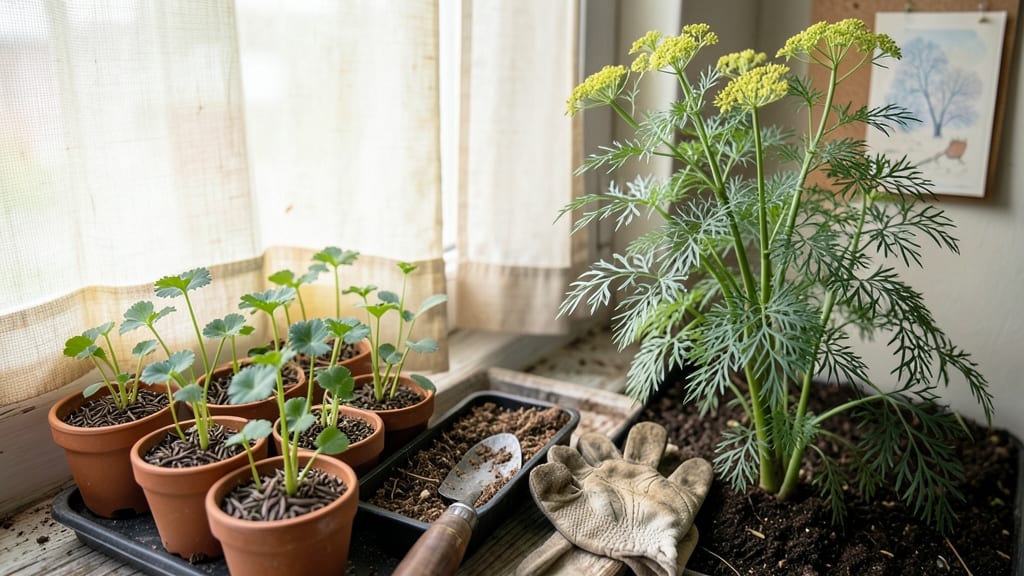
If you’ve ever wondered why your dill 🌿 keeps bolting before you can even use it, the answer lies in when to plant dill in Southern California—and trust me, timing makes all the difference.
Unlike frost-prone regions, SoCal’s mild winters mean you can grow dill year-round, but planting at the wrong time still risks stunted growth or bitter flavors.
Here’s the secret: Fall and winter are your sweet spots for zero-frost survival, while spring and summer demand extra care to avoid heat stress.
Whether you’re growing dill for pickles, soups, or fresh garnishes, this guide breaks down the exact months to plant for maximum yield—and how to adjust for your microclimate, whether you’re coastal or inland.
We’ll also cover how to cheat bolting with simple tricks like shade and watering, plus companion planting tips to keep your dill thriving. Ready to grow lush, flavorful dill without the guesswork? Let’s dive in.
You’ll leave here knowing exactly when to plant for 60–100 days of harvest-ready dill, no matter the season. No more wasted seeds or bitter surprises—just perfect, homegrown flavor.
Best months to plant dill in Southern California for zero-frost survival
Southern California’s USDA zones 9b-11 mean no frost risks for most growers, but bolting (premature flowering) remains the biggest threat. The key to year-round dill success lies in understanding how temperature shifts trigger bolting—especially during our hot summers and cool winters.
Unlike frost-sensitive regions, SoCal’s 365 frost-free days let you plant dill any month, but optimal timing maximizes flavor and yield.
For peak harvests, focus on fall and winter planting (November–March). These months provide cooler soil temps (60–70°F), which slow dill’s growth just enough to delay bolting while still allowing 90-day harvest windows before summer heat arrives.
Spring planting (March–May) works too, but requires shade cloth to prevent bolting as temps rise above 75°F.
Summer planting (June–August) is possible but high-risk. Dill bolts within 3–4 weeks in 90°F+ heat, turning bitter and woody. If you must plant in summer, use shade cloth (30–50%) and daily watering to buy 4–6 weeks of harvest time before bolting takes over.
🌿 Southern California Dill Planting Guide by Season
| Season | Best Planting Months | Key Considerations | Harvest Window |
|---|---|---|---|
| Fall | November–December | Cooler soil, minimal bolting, ideal for winter harvests | January–March (90 days) |
| Winter | January–February | Slow growth, harvest by May before summer heat | March–May (75–90 days) |
| Spring | March–May | Use shade cloth after 75°F; succession plant every 2 weeks | May–July (60–75 days) |
| Summer | June–August | High bolting risk; shade + daily water for short-term harvests | June–August (30–45 days) |
✅ Pro Tip: Plant Mammoth dill in fall/winter and Bouquet dill in spring/summer for best results.
Coastal vs. inland microclimates add another layer to timing. Inland areas like Palm Springs or Bakersfield can hit 100°F+ by May, forcing earlier shade cloth use (by April).
Coastal zones like Santa Barbara or San Diego stay 5–10°F cooler, giving you 2 extra weeks of harvest time in summer before bolting sets in.
To extend your harvest season, use succession planting: Sow new seeds every 2–3 weeks from November through May. This ensures a continuous supply of fresh dill, even as older plants bolt.
For example, plant your first batch in November, then follow up in December, January, February, and March—each batch will mature just as the next is ready to harvest.
Soil temperature matters just as much as air temperature. Dill seeds won’t germinate below 60°F, so avoid planting in deep winter (December–January) unless you use row covers or a cold frame.
Aim for soil temps of 65–75°F for optimal germination (use a soil thermometer if unsure). In summer, keep soil temps below 80°F with mulch to prevent bolting.
For container growing, timing shifts slightly. Pots heat up faster than ground soil, so plant 2–4 weeks earlier in spring and 2 weeks later in fall compared to in-ground planting.
Use black containers for winter (absorbs heat) and light-colored pots in summer (reflects heat). Always place containers in morning sun, afternoon shade to regulate temps.
Remember: Dill is an annual in SoCal, meaning it completes its life cycle in one growing season. Unlike perennials, it won’t regrow from the same plant after bolting.
This makes succession planting even more critical—if you miss a planting window, you’ll have no dill until the next season. Plan ahead to avoid gaps in your harvest!
🌱
Best months to plant dill in Southern California for zero-frost survival
Southern California’s USDA zones 9b-11 mean dill can grow year-round, but optimal planting windows maximize flavor and yield. Unlike northern climates, you won’t face frost damage, but heat-induced bolting is your biggest enemy.
The sweet spot? Plant in fall (September–November) for cooler weather and spring (February–April) to avoid summer’s scorching sun.
Coastal areas like San Diego and Santa Barbara can plant slightly later due to cooler microclimates, while inland zones like Los Angeles and Riverside should start earlier. For succession planting, stagger seeds every 2–3 weeks to ensure a continuous harvest through summer.
🌱 Dill Planting Timeline for Southern California
| Season | Best Planting Window | Key Considerations | Harvest Window |
|---|---|---|---|
| Fall | September–November | Cooler temps, lower bolting risk | December–March |
| Winter | December–January | Slow growth; protect from winds | February–April |
| Spring | February–April | Avoid May heat; use shade cloth | May–July |
| Summer | June–August | High bolting risk; use afternoon shade | August–October |
💡 Pro Tip: For summer planting, sow seeds in partial shade (30% shade cloth) to delay bolting by 2–3 weeks.
Inland areas like Palm Springs can push summer planting to late June, but coastal zones should wait until July to avoid heat stress. Test soil moisture daily—dill wilts faster in 100°F+ temps. Mulch with straw to retain moisture and keep roots cool.
For container gardening, plant dill in 5-gallon pots with drainage holes and use a lightweight potting mix. Containers dry out faster, so water every 2–3 days in summer. Place pots in morning sun to avoid afternoon heat exposure.
Bolting is the #1 enemy of SoCal dill growers. To prevent it, avoid over-fertilizing with high-nitrogen feeds and keep plants well-watered but not soggy. If you spot flower buds, harvest immediately—the flavor declines once seeds form.
Extend your harvest season by planting Mammoth dill in fall for winter harvests or Bouquet dill in spring for summer use. Both varieties thrive in SoCal’s climate, but Mammoth handles cooler temps better while Bouquet tolerates heat slightly better.