
Plants
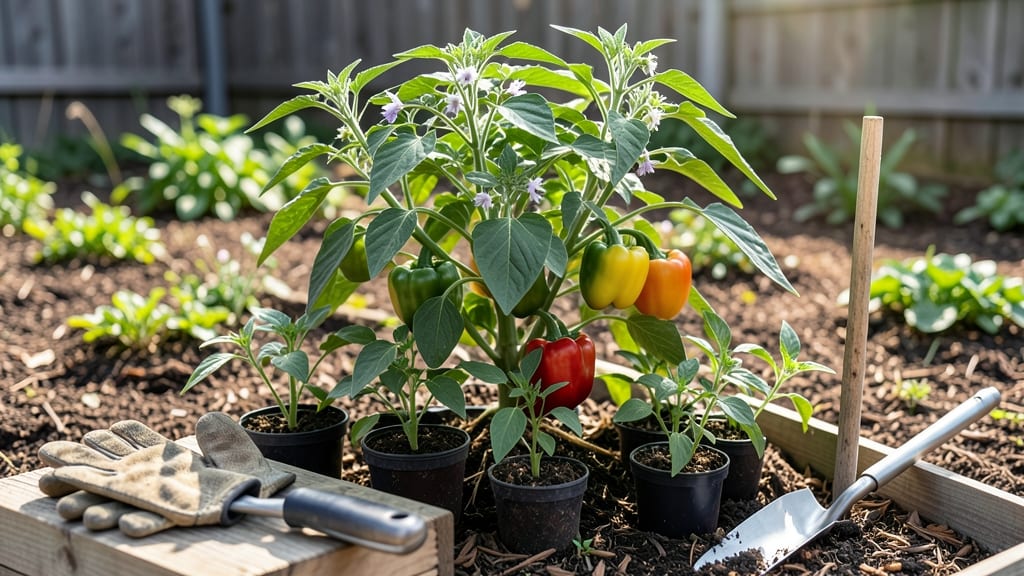
Timing your bell pepper 🌶️ planting in Arkansas isn’t just about avoiding frost—it’s about maximizing your harvest before summer’s brutal heat sets in. With the state’s unique 7a-8a zones, getting the window right means the difference between a garden bursting with sweet peppers and sad, wilted plants.
Most Arkansas gardeners swear by transplanting seedlings after April 15, once soil warms to 60°F—but that’s just the starting point. Whether you’re in the humid Delta or the cooler Ozarks, your local microclimate plays a bigger role than you might think.
I’ll break down exactly when to plant for your specific corner of the state, plus pro tips to stretch your growing season.
You’ll discover how to choose between early-season varieties that tolerate cooler soils and heat-loving peppers that thrive in Arkansas’ long summers. We’ll also cover when to start seeds indoors versus direct sowing—because getting this wrong could mean losing your entire crop to late frosts or early heat stress.
By the end, you’ll have a clear planting schedule tailored to Arkansas’ 200-day frost-free window, plus strategies to protect your peppers from pests and humidity. Let’s get those 🌶️ plants in the ground at the perfect moment for a harvest from July through October.
Arkansas heat zone map: best planting windows by region
Arkansas spans USDA zones 6b through 8a, creating a diverse climate where bell peppers can thrive—but only if planted at the right time.
The state’s last frost dates range from early March in the Ozarks to late March in the Delta, while first frosts arrive as early as October 15 in northern regions and as late as November 15 in southern Arkansas.
This means your planting window can shift by 4-6 weeks depending on where you live.
For northern Arkansas (USDA 6b-7a), like Bentonville or Fayetteville, aim to transplant seedlings after April 15—once soil temperatures hit 60°F consistently. In central Arkansas (USDA 7b-8a), including Little Rock and Hot Springs, you’ve got flexibility from April 1 to May 1.
Meanwhile, southern Arkansas (USDA 8a), such as Texarkana or El Dorado, can start as early as March 15 for heat-tolerant varieties.
Here’s the key: Cool-season varieties (like 'Aristotle') need to be in the ground by April 15 statewide, while heat-loving varieties (such as 'Carolina Wonder') can wait until May 1 in cooler zones or even June 1 in the Delta.
The 180-220 day growing season in Arkansas means you’ve got room to experiment, but timing is everything for avoiding blossom-end rot or stunted growth.
🌱
| Arkansas Region | USDA Zone | Last Frost Date | Best Transplant Window | Soil Temp Threshold |
|---|---|---|---|---|
| Northern Arkansas (Ozarks) | 6b-7a | March 15-April 1 | April 15-May 1 | 60°F+ |
| Central Arkansas | 7b-8a | March 20-April 5 | April 1-May 15 | 60°F+ |
| Southern Arkansas (Delta) | 8a | March 1-April 1 | March 15-May 1 | 55°F+ (earlier for heat-tolerant) |
| Arkansas River Valley | 7a-7b | March 25-April 10 | April 10-May 10 | 60°F+ |
Note: Adjust for microclimates (e.g., urban heat islands or shaded areas).
If you’re starting seeds indoors, begin 8-10 weeks before your last frost date. For northern Arkansas, that means January 15-February 1, while southern gardeners can wait until February 15-March 1.
Seedlings need 6-8 hours of light daily and 70°F soil to germinate properly. Pro tip: Use a heat mat to speed up germination in cooler zones.
For direct sowing, wait until soil is at least 60°F and nighttime temperatures stay above 55°F. In central Arkansas, this typically aligns with late April to early May.
Direct-sown peppers may take 5-7 days longer to mature than transplanted ones, so factor that into your harvest timeline. Succession planting every 2-3 weeks after your initial date ensures a continuous harvest through October.
One common mistake Arkansas gardeners make is planting too early in cooler zones, which leads to poor root development and blossom-end rot. Always check your local Arkansas Cooperative Extension Service for hyper-local frost data, as microclimates can shift planting windows by 1-2 weeks.
For example, a south-facing slope in the Ozarks might warm up 10 days earlier than a valley.
🌡️
To maximize your harvest, pair your planting timeline with soil prep. Arkansas’ clay-heavy soils in the Delta need compost or aged manure to improve drainage, while sandy soils in the Ozarks benefit from orgainc mulch to retain moisture.
Aim for a pH of 6.0-6.8—bell peppers are sensitive to acidic soils, which can stunt growth. A soil test kit (available at local nurseries) is worth the investment for Arkansas gardeners.
Finally, don’t forget about pest pressure. Southern Arkansas’ humid climate increases risks of aphids and pepper maggots, while northern regions may battle colorado potato beetles. Plan your planting window to avoid peak pest seasons: late May through July.
Using row covers early in the season can buy you 2-3 weeks of protection before pests become overwhelming.
How to extend your Arkansas bell pepper growing season
Arkansas gardeners know that timing is everything when growing bell peppers. While the ideal window is April 15 to May 15, you can push your harvest earlier or later with the right techniques.
The key is extending the season using tools like row covers and soil warming to match your pepper variety’s needs.
For early planting, start seeds indoors 8-10 weeks before your last frost date (typically mid-March). Use grow lights to ensure strong seedlings before transplanting. If your soil is still too cold (below 60°F), opt for black plastic mulch or soil warming cables to speed up heating.
🌱
If you’re planting late in the season (June or July), focus on heat-tolerant varieties like 'Carolina Wonder' and use drip irrigation to avoid fungal issues from Arkansas’ humidity. For fall harvests, aim to plant by July 1 so peppers mature before the first frost hits.
Another trick is succession planting: Sow new seeds every 2-3 weeks after your initial planting for a staggered harvest. This works especially well in Arkansas’ long, hot summers, ensuring you always have peppers at peak ripeness.
🌿