Plants
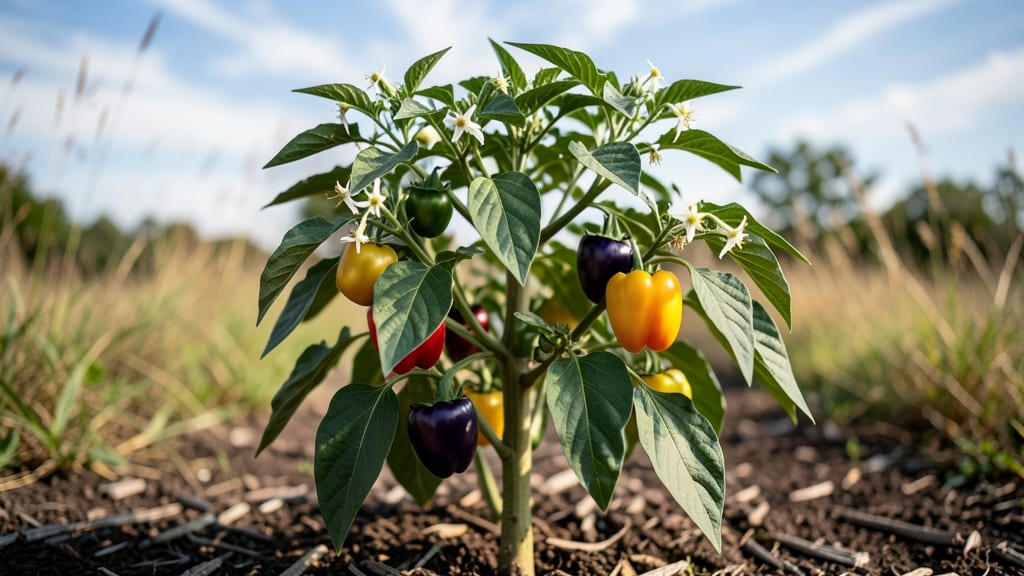
If you're dreaming of homegrown bell peppers 🌶️ but worried about space, don’t fret—how tall does a bell pepper plant grow can be surprisingly adaptable. Understanding their height helps you pick the perfect variety for your garden, whether you're working with a tiny balcony or a sprawling backyard.
The truth is, bell pepper plants typically reach between 2 to 4 feet tall, but some compact varieties stay under 2 feet, making them ideal for containers. Meanwhile, larger types can stretch toward 4 feet or more if left unchecked.
The key to managing their height lies in choosing the right variety and giving them the proper care.
In this guide, I’ll break down everything you need to know—from dwarf varieties perfect for small spaces to giant types that thrive with support. You’ll also discover how pruning and training can help you control growth, maximize yield, and keep your plants happy no matter how much room you have.
Ready to turn your gardening space into a pepper paradise? Let’s dive into how to pick the right size and care for your bell peppers like a pro.


Bell pepper plant height by variety: compact vs giant types compared
Bell pepper plants come in a surprising range of heights, from dwarf varieties that fit neatly in pots to giant types that need room to sprawl. The average bell pepper plant grows 2 to 4 feet tall, but some varieties can stretch even taller with proper care.
Understanding these differences helps you choose the perfect fit for your garden space—whether it's a balcony container or a sunny backyard plot.
Height isn't just about space, though. It also affects yield potential, pruning needs, and even harvesting ease. For example, a tall variety like 'California Wonder' might produce more peppers but require staking, while a compact type like 'Tiny Tim' stays manageable without support.
Let’s break down the key categories to help you decide what grows best in your garden.
🌱
If you're growing bell peppers in containers, stick to dwarf or semi-dwarf varieties like 'Tiny Tim' or 'Sweet Banana.' These plants thrive in 5-gallon pots and rarely exceed 2 feet in height, making them perfect for balconies or patios.
Just ensure your container has drainage holes and use a lightweight potting mix to avoid root stress.
For in-ground gardens, standard varieties like 'California Wonder' or 'Early California Wonder' are excellent choices. These plants typically reach 3 to 4 feet tall and benefit from mulching to retain moisture and suppress weeds. If you're short on space, consider pruning techniques to control height while maximizing fruit production.
Giant or indeterminate varieties, such as 'Mammoth' or 'Big Bertha,' can grow taller than 4 feet and may even reach 5 feet or more with proper care. These are best suited for large gardens or trellis systems, as they require sturdy support to prevent toppling.
Their extended growing season also means you can harvest peppers well into fall, but they demand more nutrients and water to support their size.
Another factor influencing height is pruning practices. Regularly pinching back side shoots or succulent growth can encourage a bushier, more compact plant. Conversely, leaving the plant unpruned often results in taller, leggier growth.
This is especially useful for container growers who want to keep their plants manageable while still producing a good yield.
Sunlight also plays a crucial role in determining how tall your bell pepper plant will grow. While most varieties need 6 to 8 hours of full sun daily, insufficient light can lead to stretched, weak stems and reduced fruit production.
If you're growing in partial shade, opt for compact varieties that tolerate lower light conditions, like 'Pepperoncini' or 'Sweet Chili.' These varieties are more forgiving and less likely to grow tall and spindly.
Finally, consider your climate zone. In warmer regions (Zones 9-11), bell peppers may grow taller and more vigorously due to longer growing seasons. In cooler climates (Zones 6-8), you might see slightly shorter plants unless you use row covers or black plastic mulch to extend the season.
Always check the USDA zone recommendations for your specific variety to ensure optimal growth.
🌿
How to control bell pepper plant height: pruning and training tips
Managing your bell pepper plant height isn’t just about aesthetics—it’s about maximizing your harvest yield and making the most of limited space. Whether you’re growing in a small container or a backyard garden, smart pruning and training techniques can keep plants at your ideal height while boosting productivity.
Most bell pepper varieties naturally grow between 2-4 feet tall, but with the right approach, you can encourage compact growth or guide them upward for vertical gardening. The key lies in understanding when and how to prune, along with using support structures like trellises or cages.
Pruning isn’t just about cutting back—it’s about directing energy toward fruit production. Remove suckers (those small shoots that form in the leaf axils) to prevent overcrowding and redirect nutrients to existing peppers. Focus on removing weak or leggy growth while preserving the main stem and branches that bear fruit.
For space-saving strategies, consider topping your plants when they reach your desired height. This involves pinching off the main stem’s growing tip to halt vertical growth while encouraging bushier, fruit-heavy side branches. Just be sure to do this before flowering to avoid reducing yield.
| Technique | Best For | When to Do It | Tools Needed |
|---|---|---|---|
| Pruning Suckers | Compact growth, better airflow | Every 2-3 weeks, spring-summer | Clean pruners, gloves |
| Topping Plants | Control height, bushier growth | Early season (before flowering) | Pruners, rubbing alcohol |
| Trellising | Vertical growth, small spaces | Early planting, as plants grow | Trellis, soft ties, stakes |
| Staking | Support heavy plants, prevent sprawl | At planting, reinforce as needed | Stakes, plant ties, cage |
If you’re dealing with tall bell pepper plants that threaten to overwhelm your garden, trellising is your best friend. Install a trellis or cage early in the season to guide vines upward.
This not only saves space but also improves air circulation, reducing the risk of disease and making it easier to spot pests.
For container gardening, choose dwarf varieties or use small cages to contain growth. Regularly check for root-bound conditions and upgrade pots if needed—root-restricted plants grow slower and produce fewer peppers.
Always use well-draining soil and fertilize lightly to avoid overfeeding, which can lead to excessive leafy growth at the expense of fruit.
Remember, the goal is balance: prune for structure, support for height, and always prioritize fruit production. With these techniques, you can enjoy a bountiful harvest—no matter how much (or little) space you have to work with! 🌱