
Plants
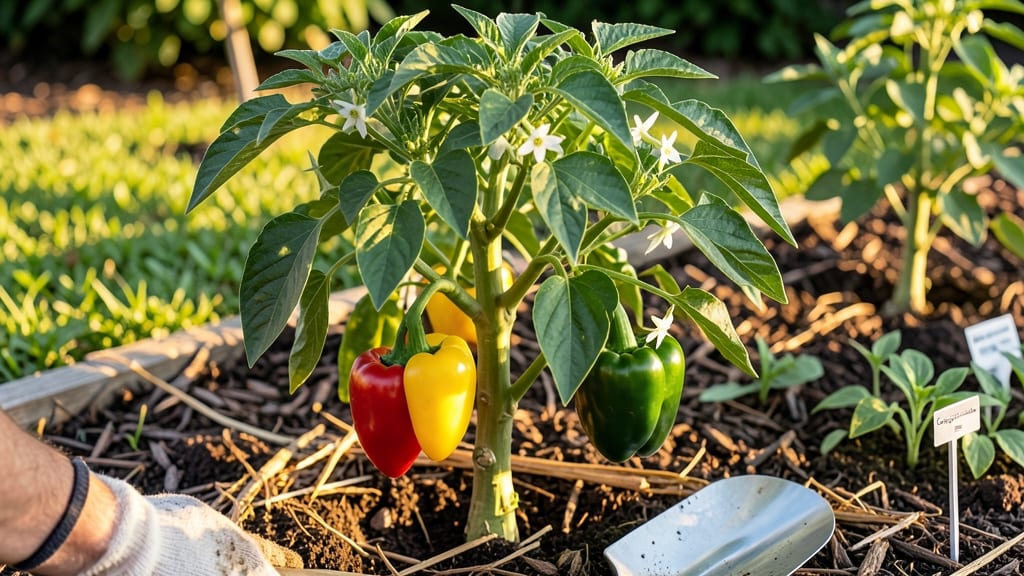
Knowing when to plant bell peppers in Michigan can mean the difference between a bountiful harvest and wasted effort. With Michigan’s unpredictable spring frosts and short growing season, timing is everything for your 🌶️ plants to thrive.
Whether you're a seasoned gardener or just starting out, getting this right ensures your peppers have enough time to mature before the first frost hits.
Most Michigan gardeners in zones 5b-6b should aim to plant bell pepper transplants between mid-April and early June, once the soil has warmed to at least 60°F. This window gives your plants the 150-180 frost-free days they need to reach maturity.
But don’t worry if you’re unsure about your exact last frost date—we’ll break down the best strategies for your specific county.
You might be tempted to rush planting, but starting too early can leave your peppers vulnerable to cold snaps. Instead, focus on preparing your soil and choosing the right varieties that can handle Michigan’s climate. With the right approach, you’ll be enjoying fresh, homegrown bell peppers from July through October.
In this guide, I’ll walk you through everything you need to know—from adjusting planting dates based on your heat zone to extending your growing season with simple tricks. Let’s make sure your bell peppers get the perfect start!
Michigan bell pepper planting dates by USDA heat zone (with frost risk charts)
Michigan’s diverse climate zones mean your bell pepper planting window varies dramatically from southern Wayne County (Zone 6a) to northern Chippewa County (Zone 4a).
In Southern Michigan, you can safely plant transplants as early as mid-April, while Northern Michigan gardeners should wait until late May to avoid frost damage. The key is aligning your planting with average last frost dates and soil temperature thresholds of 60°F+.
For direct sowing, wait until two weeks after your last frost date to give seedlings time to establish before cooler nights arrive. In Central Michigan (Zones 5b-6b), this typically means early to mid-May.
Meanwhile, Northern Michigan gardeners often rely on transplants for a longer harvest window, since direct-sown peppers struggle with the shorter growing season.
Here’s the critical timeline for Michigan bell pepper planting by zone, including frost risk windows and soil prep tips:
| Zone | Last Frost Date | Transplant Window | Direct Sow Window | Soil Temp Goal |
|---|---|---|---|---|
| Southern (6a-7a) | April 15–May 1 | Mid-April–early May | Late May–early June | 60°F+ |
| Central (5b-6b) | May 1–15 | Late April–mid-May | Mid-May–early June | 60°F+ |
| Northern (4a-5a) | May 15–June 1 | Late May–early June | Early June–mid-June | 65°F+ |
🌱 Pro Tip: Use a soil thermometer to confirm temps—peppers won’t thrive below 55°F.
If you’re starting seeds indoors, begin 8–10 weeks before your last frost date. For Southern Michigan, that’s mid-February, while Northern Michigan gardeners should start seeds in early April. Use grow lights to prevent leggy seedlings, and harden off plants for 7–10 days before transplanting.
For direct sowing, choose fast-maturing varieties (like 'Sweet Banana' or 'Jupiter') to maximize your short Michigan season. Plant seeds ½ inch deep and 12 inches apart in rows 18 inches apart to allow airflow and reduce disease risk.
Mulch with straw or black plastic to warm the soil faster and retain moisture.
One common mistake is planting too early in Northern Michigan—even if the air feels warm, soil temps lag behind. Test your soil with a moisture meter; aim for 60°F+ at 4 inches deep.
If temps are below 55°F, delay planting or use row covers to create a microclimate.
In Southern Michigan, you can extend the season by planting a second crop in July for a fall harvest. Choose shorter-day varieties like 'Carmen' or 'Aristotle', which tolerate cooler temps better. Just be sure to harvest before frost—peppers won’t survive below 32°F.
Always check your local county extension office for year-specific frost data, as Michigan’s weather patterns shift yearly. For example, 2023 saw late frosts in May in Grand Rapids, pushing planting dates back 2–3 weeks. Stay flexible and monitor forecasts closely.
With the right timing, you can harvest bell peppers from July through October—even in Michigan’s cooler climate. The secret? Plan ahead, test soil temps, and choose the right varieties for your zone. Now grab your garden journal and mark those planting dates!
How to adjust planting for Michigan’s unpredictable weather (and avoid common mistakes)
Michigan’s weather is famously fickle—one day it’s 60°F and sunny, the next it’s a 30°F surprise. To protect your bell pepper plants, I’ve learned to play it smart. Start by checking your local frost dates (usually mid-April for Southern Michigan, late May for Northern regions) and adjust your timeline accordingly.
For those early starts, use row covers or cold frames to shield seedlings from late frosts. I’ve had great success with floating row covers—they let sunlight through while trapping heat. Just
These 3 mistakes kill bell pepper yields in Michigan every year:
- Planting too early—seedlings won’t survive below 50°F soil temps.
- Skipping mulch—fluctuating temps stress roots, stunting growth.
- Overcrowding plants—bell peppers need 18-24 inches of space to thrive.
🌱 Pro Tip: Use black plastic mulch to warm soil faster in spring.
If you’re pushing the season later into summer, opt for fast-maturing varieties like 'Early Prolific' (60 days to harvest). I’ve extended my harvest into early October by planting a second batch in late June—just give them a south-facing spot with maximum sunlight.
For extra insurance, add a heat-reflective mulch like straw to keep roots cool during 90°F+ heatwaves.
Watering is another critical adjustment. Bell peppers hate wet feet but need consistent moisture. In Michigan’s humid summers, I water deeply in the morning (1-2 inches per week) and avoid overhead sprinklers to prevent fungal diseases. For container-grown peppers, I check soil moisture daily—they dry out faster!
Finally, don’t forget to monitor pollination. Michigan’s cool, rainy summers can reduce bee activity. Give plants a gentle shake in the morning to help self-pollination, or hand-pollinate with a small brush if flowers aren’t setting fruit.
With these adjustments, you’ll turn Michigan’s unpredictable weather into an advantage—not a setback.
🌿 Remember: The key is flexibility. Check your local Almanac frost dates yearly, and don’t hesitate to use season extenders like cold frames or row covers. Your bell pepper harvest will thank you!