
How To
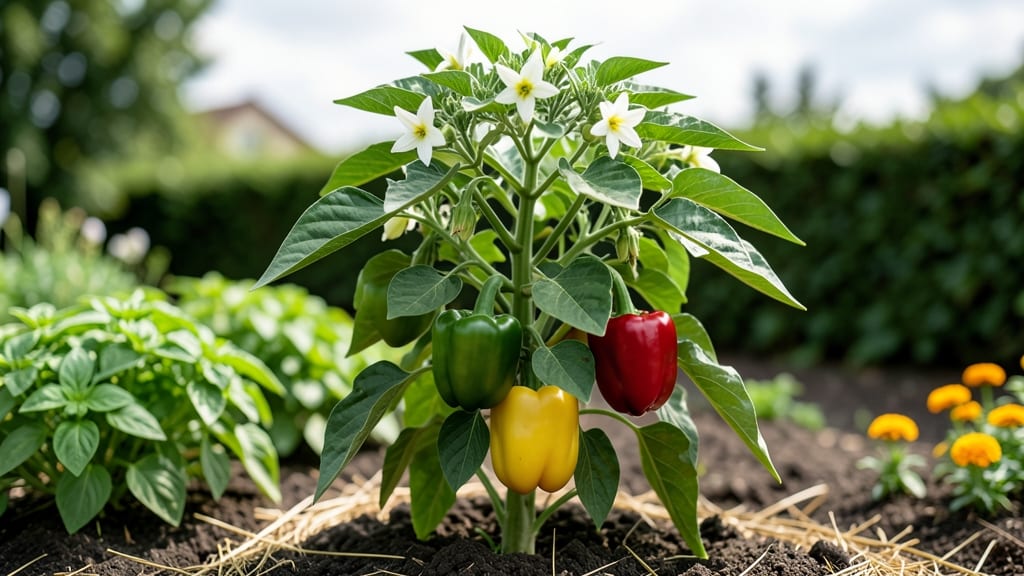
Wondering how tall does bell pepper plant grow before you commit to planting? The answer might surprise you—these vibrant 🌶️ plants can range from compact 1-foot dwarfs to towering 4-foot giants, depending on the variety you choose.
If you're working with limited garden space, you'll love knowing that some bell peppers stay neatly contained, while others need room to stretch their legs. The key to happy plants—and a bountiful harvest—starts with understanding their growth habits and spacing needs.
Whether you're a first-time gardener or a seasoned pro, getting this right means more peppers per square foot and healthier plants that thrive. Let's break down the height ranges, space-saving varieties, and smart planting tips so you can grow like a pro—no matter how small your space.
From dwarf varieties perfect for containers to standard types that need a little elbow room, we'll cover everything you need to know to maximize your garden's potential. Ready to grow your best crop yet?


Standard bell pepper plant height: what to expect from common varieties
When planning your garden, knowing how tall bell pepper plants grow helps you choose the right spot and spacing. Most standard bell pepper varieties reach heights between 2 to 4 feet, but their growth habits vary widely.
For example, California Wonder, a classic variety, typically grows 3 to 4 feet tall and thrives in warm climates. Meanwhile, Jalapeño peppers often stay slightly shorter, around 2 to 3 feet, but can produce more vigorously if given enough space.
Bell peppers fall into two main growth categories: bush types and indeterminate types. Bush varieties, like Sweet Banana, grow to a fixed height (usually 2 to 3 feet) and stop producing new growth once they flower.
Indeterminate types, such as Big Beef, keep growing taller (up to 4 feet or more) and produce peppers continuously throughout the season. This distinction is crucial for spacing and support planning.
Proper spacing is key to preventing disease and maximizing yield. For bush varieties, space plants 18 to 24 inches apart in rows that are 2 to 3 feet apart. Indeterminate types need more room—24 to 36 inches apart—to accommodate their height and sprawling habit.
Crowding can lead to poor air circulation, increasing the risk of fungal diseases like powdery mildew.
Here’s a quick reference for common bell pepper varieties and their typical mature heights:
| Variety | Height Range | Spacing Needs | Growth Habit |
|---|---|---|---|
| California Wonder | 3–4 ft | 18–24 in apart | Bush |
| Jalapeño | 2–3 ft | 18–24 in apart | Bush or Indeterminate |
| Sweet Banana | 2–3 ft | 18–24 in apart | Bush |
| Big Beef | 3–4+ ft | 24–36 in apart | Indeterminate |
| Carmen | 2–3 ft | 18–24 in apart | Bush |
If you’re growing bell peppers in containers, opt for bush varieties or dwarf types to save space. A 5-gallon pot is ideal for smaller plants, while larger containers (at least 10 gallons) work for indeterminate types.
Always ensure containers have drainage holes to prevent root rot, a common issue when watering schedules aren’t consistent.
Sunlight is another critical factor influencing height. Bell peppers need 6 to 8 hours of direct sunlight daily to grow to their full potential. Inadequate light can stunt growth, leading to leggy plants that produce fewer peppers.
If you’re growing in partial shade, choose shade-tolerant varieties like Carmen, which can handle slightly less light while still reaching 2 to 3 feet tall.
Pruning can also affect height and yield. For indeterminate varieties, pinch off the tips of new growth to encourage bushier, more compact plants. This technique redirects energy toward fruit production rather than vertical growth.
Just be sure to prune in the morning to allow wounds to heal during the day, reducing the risk of disease.
Finally, soil quality plays a role in how tall your bell peppers grow. Amend your soil with compost or aged manure to provide essential nutrients like nitrogen, phosphorus, and potassium.
Well-draining soil prevents waterlogging, which can weaken plants and stunt their growth. Aim for a soil pH between 6.0 and 6.8 for optimal nutrient uptake.
Understanding these factors will help you choose the right varieties and care practices to get the most out of your bell pepper garden, no matter how much space you have to work with. 🌶️
Standard bell pepper plant height: what to expect from common varieties
Most bell pepper plants reach heights between 2 to 4 feet at maturity, but their growth habits vary dramatically by variety. Standard varieties like California Wonder and Sweet Banana typically grow 3 to 4 feet tall, while jalapeño peppers often stay shorter at 2 to 3 feet.
These differences matter because taller varieties need more vertical space and stronger support.
Understanding your variety’s growth pattern is key. Indeterminate types (like most heirlooms) grow continuously and can reach 4 feet or taller if left unpruned, while bush varieties (like 'Early California Wonder') top out around 2 to 3 feet and produce fruit all at once.
This distinction affects spacing and yield planning.
For optimal air circulation and disease prevention, space standard varieties 18 to 24 inches apart in rows 24 inches apart. Taller varieties may need 36 inches between plants to prevent shading and fungal issues.
Proper spacing also ensures each plant gets enough sunlight—a critical factor for sweet, high-yield peppers.
🌶️
| Variety | Height Range | Spacing Needs | Growth Habit |
|---|---|---|---|
| California Wonder | 3-4 ft | 18-24 in apart | Bush |
| Sweet Banana | 3-4 ft | 24 in apart | Indeterminate |
| Jalapeño | 2-3 ft | 18 in apart | Bush/Indeterminate |
| Carmen | 2.5-3.5 ft | 24 in apart | Bush |
If you’re growing in containers, choose compact varieties or prune taller ones to stay under 2 feet. Containers limit root growth, so opt for 5-gallon pots minimum to prevent stunted plants.
Smaller pots may work for dwarf varieties but require frequent watering and fertilizing to compensate for limited soil volume.
Another factor influencing height is pruning. Regularly trimming side shoots can reduce height by up to 30% while redirecting energy to fruit production. For example, pinching off suckers (the shoots in the leaf axils) on indeterminate varieties keeps them more manageable and boosts yield.
🌱