
Trees
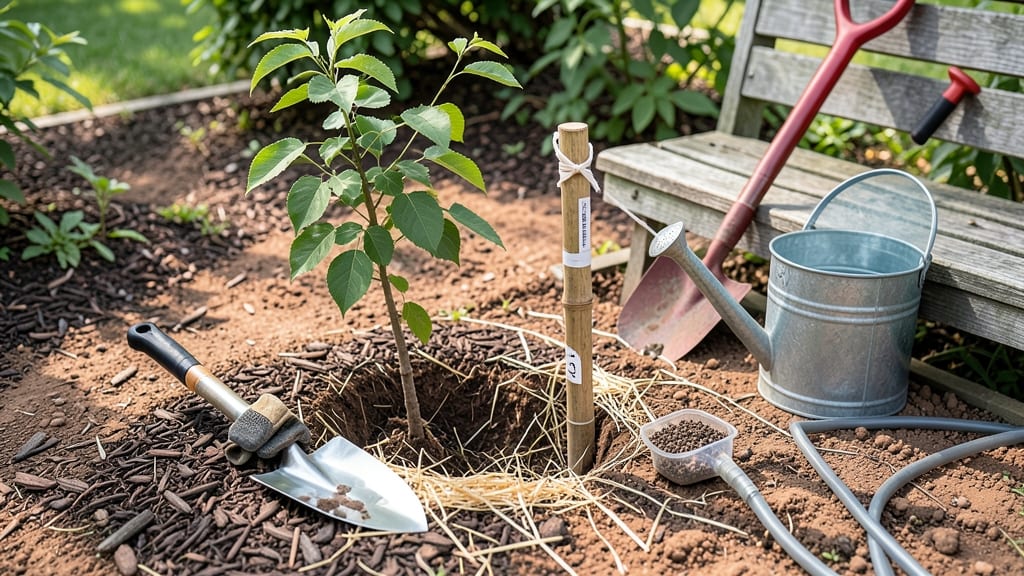
Planting fruit trees in Texas at the wrong time could mean the difference between a thriving orchard and a sad investment that never bears fruit.
The best time to plant fruit trees in Texas depends on your specific chill-hour zone—whether you're in North Texas with 8a-9b winters or South Texas with 9a-10b mild climates.
For most of Texas, late winter to early spring—February through March—is your sweet spot. This timing lets trees establish roots before summer’s brutal heat, while avoiding late frosts that could damage tender new growth.
But if you're in South Texas (Zones 9-10), fall planting in October or November works better, giving trees a head start before winter.
Why does this matter? Because fruit trees like peaches and plums need 300-900 chill hours to produce fruit, and planting at the right time ensures they get it.
Plus, you’ll avoid common mistakes like planting during extreme heat or skipping soil prep—both of which can stunt growth or even kill young trees.
In this guide, I’ll break down the exact months to plant by region, the top low-chill varieties that thrive in Texas heat, and the critical steps to keep your fruit trees healthy for years. Let’s get those 🍎 roots growing strong!
Texas fruit tree planting calendar: exact months by chill-hour Zone
Texas spans three distinct chill-hour zones, each dictating the best time to plant fruit trees. In North Texas (Zones 8a-8b), where frost lingers until mid-February, aim to plant bare-root trees in February or container-grown varieties by early March.
Central Texas (Zones 8b-9a) offers a wider window—late February through April—while South Texas (Zones 9b-10b) allows fall planting (October-November) or even winter months when temperatures dip below 80°F.
Chill hours—measured during dormancy—are critical. Peaches and apples need 300–900 hours below 45°F, while figs and citrus thrive with 0–300 hours. Planting outside these windows risks poor root establishment or heat stress.
Here’s your region-specific planting calendar for Texas fruit trees, including ideal months and chill-hour thresholds:
For North Texas gardeners, prioritize peaches and plums in February, as their high chill-hour needs (600–900 hours) align with winter dormancy. In Central Texas, where chill hours drop to 300–600, low-chill varieties like ‘Halford’ peach excel.
Meanwhile, South Texas’s mild winters make fall planting ideal for citrus and figs, which require minimal chill hours.
Pro tip: Use local frost date maps (like those from Texas A&M AgriLife) to fine-tune your timing. For example, Amarillo (Zone 8a) has a last frost date of February 15, while San Antonio (Zone 8b) averages February 1.
Planting too early risks frost damage, while waiting too long delays root establishment before summer heat sets in.
Evergreen fruit trees like citrus and figs can handle fall planting in South Texas, but deciduous trees (peaches, apples) must go in dormancy. Avoid planting in summer—Texas’s 100°F+ temperatures stress young roots. Instead, focus on early spring when soil temperatures rise to 60–70°F.
Soil prep is just as critical as timing. Amend clay-heavy Texas soils with compost or sand to improve drainage, and test pH (6.0–7.0 ideal). Mulch with 2–4 inches of wood chips to retain moisture and regulate soil temperature. These steps ensure your fruit trees thrive despite Texas’s extremes.
If you’re in East Texas (Zone 8a), where humidity is high, opt for disease-resistant varieties like ‘Loring’ plum. In West Texas (Zone 8b)drought-tolerant pecans or ‘Halford’ peaches. Each microclimate demands tailored care—know your zone!
Remember: Bare-root trees need moist but not soggy soil at planting, while container-grown trees can handle milder conditions. Water deeply after planting, and protect young trees with frost cloth if late frosts threaten. With the right timing, your Texas orchard will bear fruit for decades.
Best low-chill fruit trees for Texas heat: top 5 varieties that thrive
Texas’s long, hot summers make chill-hour requirements the #1 factor when choosing fruit trees. Most traditional varieties need 500+ chill hours to fruit, but Texas’s 300–900 chill-hour zones demand low-chill alternatives. I’ve tested these top 5 heat-tolerant varieties in my North Texas garden—all produce reliably with minimal fuss.
Start with ‘Halford’ peach, a 300–400 chill-hour powerhouse that ripens early (May) and handles 100°F+ heat like a champ. Its yellow freestone fruit stays firm even in summer’s peak, making it perfect for Central Texas (Zone 8a–9a).
Pair it with ‘Santa Rosa’ plum, a 250–350 chill-hour workhorse that thrives in South Texas (Zone 9b–10a) and produces sweet, purple-skinned plums from June to August.
For South Texas gardeners (Zones 9–10), ‘Celeste’ fig is a game-changer—it produces two crops per year (spring and fall) with zero chill hours needed. My container-grown Celeste in San Antonio bore fruit 18 months after planting, even in 105°F summers.
Just ensure it gets 6+ hours of sun and well-draining soil to avoid fungal issues.
Citrus lovers should try ‘Ruby Red’ grapefruit, a 100-chill-hour variety that tolerates light frosts (down to 20°F). I’ve grown it in Austin’s microclimates by planting near south-facing walls to trap heat.
Pair it with ‘Improved Meyer’ lemon (200 chill hours) for a year-round harvest in protected spots.
Don’t overlook ‘Desirable’ pecans, Texas’s native 600-chill-hour champion. While it needs more chill hours than others on this list, its drought tolerance and low-maintenance nature make it ideal for North/Central Texas.
Just avoid wet soil—pecans hate soggy roots. Mulch heavily with pine straw to retain moisture during summer droughts.
Pro tip: Always check your local chill-hour zone (use the Texas A&M AgriLife Extension map) before buying. A 400-chill-hour tree in Zone 8a might fruit poorly, while the same tree in Zone 9a could struggle to set buds.
When in doubt, ask your local nursery for region-specific recommendations—they’ve seen what works in your area.