
Trees
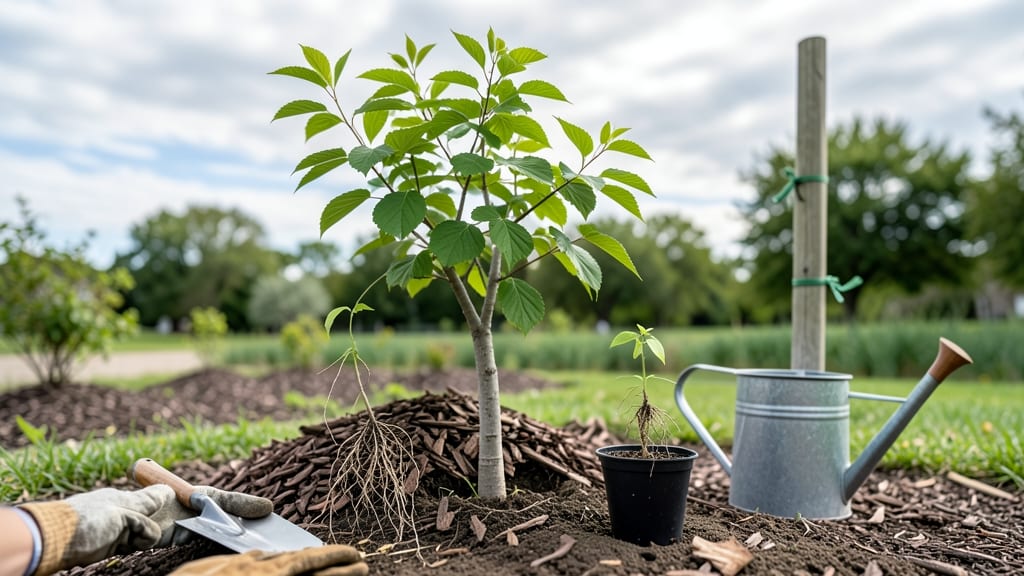
Planting a dogwood tree 🌳 in Texas at the wrong time can mean the difference between a thriving shade provider and a struggling understory plant—especially given the state's extreme heat and unpredictable weather patterns.
If you're dreaming of that perfect springtime bloom or a future canopy of lush green, timing is everything. Texas's diverse climate zones—from the chilly North to the balmy South—mean what works in one area might fail in another.
Let me break down exactly when to plant for maximum success, so your dogwood gets off to the best possible start.
Most gardeners swear by late fall to early spring as the ideal window, but is that always true for Texas? We'll explore how to adjust your planting schedule based on your specific region, soil conditions, and even whether you're planting bare-root or in containers.
Spoiler: there's a sweet spot that avoids both scorching summers and early frosts.
Ready to give your dogwood tree the best chance to thrive? I'll walk you through the most common mistakes to avoid and share pro tips that make all the difference in Texas's challenging growing conditions. Let's get started!
Best months to plant dogwood trees in Texas for maximum survival
Timing is everything when planting dogwood trees in Texas, where the climate swings from scorching summers to unpredictable winters. The ideal window is late fall through early spring—specifically November to February—when cooler temperatures and increased rainfall give young roots a fighting chance.
This period aligns with the tree's dormant phase, reducing transplant shock and stress.
Dogwoods are deciduous trees that thrive when planted while dormant, allowing them to focus energy on root establishment rather than leaf production. In Texas, this means avoiding the summer heat (June-August) and the peak growing season (April-May), when water demands spike and soil temperatures can fry delicate roots.
Even container-grown dogwoods benefit from this timing, though they offer slightly more flexibility.
Late fall—particularly November and December—is my top recommendation for most of Texas. The soil remains warm enough for root growth, but air temperatures drop, reducing evaporation and watering demands.
By planting in these months, you give your dogwood a 3-4 month head start before the next growing season, which translates to faster establishment and better survival rates.
For North Texas (USDA Zones 7b-8a), aim for planting between November 15 and February 15. In Central Texas (Zones 8a-8b), extend this slightly to October 30 to March 15, while South Texas (Zones 9a-10a) gardeners can plant as late as January 31 due to milder winters.
Always check your local last frost date—planting too early risks frost damage to new growth.
If you must plant in early spring (March-April), do so quickly—before the soil dries out and temperatures rise. Container-grown dogwoods can handle this window better than bare-root trees, as their root systems are less vulnerable to heat stress.
However, prioritize morning planting to give roots time to acclimate before the afternoon sun intensifies.
One common misconception is that dogwoods can be planted anytime in Texas's mild winters. While South Texas (Zones 9a-10a) does offer a longer window, even here, planting in late winter (February) is ideal.
The risk of unpredictable cold snaps in early spring (March) can still stress young trees, especially if they've already begun active growth.
For container planting, the rules relax slightly. You can plant container-grown dogwoods in Texas from October through April, as the pots provide some insulation. However, avoid planting in extreme heat (above 90°F), as the roots can overheat even in containers.
Always remove the tree from its pot and inspect the roots before planting—if they're circling, trim them gently to encourage outward growth.
Pro tip: Mulch heavily after planting (3-4 inches of organic mulch) to retain moisture and regulate soil temperature. This is especially critical in North Texas, where winter temperatures can fluctuate wildly. Use shredded bark or pine straw, keeping it 6 inches away from the trunk to prevent rot.
Remember, the goal is to give your dogwood the best possible start. By planting during its natural dormant phase and aligning with Texas's climate zones, you'll set the stage for a tree that thrives for decades—providing shade, beauty, and wildlife habitat in your landscape. 🌳
Texas climate zones and dogwood planting adjustments by region
Texas spans USDA hardiness zones 8a through 10a, meaning frost dates and heat intensity vary dramatically from North to South. Understanding your specific region’s climate is key to choosing the right dogwood variety and planting window.
For example, a Texas redbud thrives in North Texas, while Florida dogwoods adapt better to South Texas humidity.
In North Texas (Zones 8a-8b), like Dallas and Fort Worth, winters are colder with first frosts as early as November 15. This means your best planting window narrows to late November through February—after the ground freezes but before spring heat arrives.
South Texas (Zones 9a-10a), however, has milder winters with frost-free periods extending into January, giving you more flexibility.
Central Texas (Zones 8b-9a), including Austin and San Antonio, offers a middle ground. Here, you can plant dogwoods from October through March, but avoid late winter if unpredictable warm spells trigger early budding. The Texas mountain laurel (a drought-tolerant native) pairs beautifully with dogwoods in this region.
Soil types also play a role. North Texas often has clay-heavy soils, requiring amendments like compost to improve drainage. South Texas soils tend to be sandy and well-draining, while Central Texas features caliche layers that need breaking up.
Always test your soil’s pH—dogwoods prefer slightly acidic to neutral (6.0-7.0).
Container planting is an option in warmer zones (9a-10a), allowing you to plant dogwoods year-round. However, container-grown trees need larger pots (at least 15 gallons) and consistent watering since they dry out faster in Texas’s intense sun. Choose dwarf varieties like ‘Meader’ if space is limited.
Regardless of your zone, avoid planting during summer heatwaves (June-August). The stress of transplanting combined with 100°F+ temperatures can kill young dogwoods within weeks. Instead, opt for bare-root trees in winter or container-grown trees in early spring for the best survival rates.
🌿
| Region | USDA Zone | Best Planting Window | Key Considerations |
|---|---|---|---|
| North Texas | 8a-8b | Late November–February | Cold winters; amend clay soil; avoid late winter warm spells. |
| Central Texas | 8b-9a | October–March | Variable frost; break up caliche; pair with native drought-tolerant plants. |
| South Texas | 9a-10a | Year-round (container) or November–February (ground) | Mild winters; use containers for flexibility; watch for fungal diseases in humidity. |
If you’re unsure about your exact frost dates, check the Texas A&M AgriLife Extension maps or use a local nursery’s planting guide. They often provide hyper-local advice tailored to your city’s microclimate.
For instance, College Station (Zone 8a) has later frosts than Lubbock (Zone 8b), even though they’re close in distance.
Pro tip: Plant dogwoods near existing shade trees to create a layered canopy. This mimics their natural understory habitat and protects them from Texas’s harsh afternoon sun. Pair them with Texas sage or yaupon holly for a low-maintenance, native-friendly landscape.
✂️