
Trees
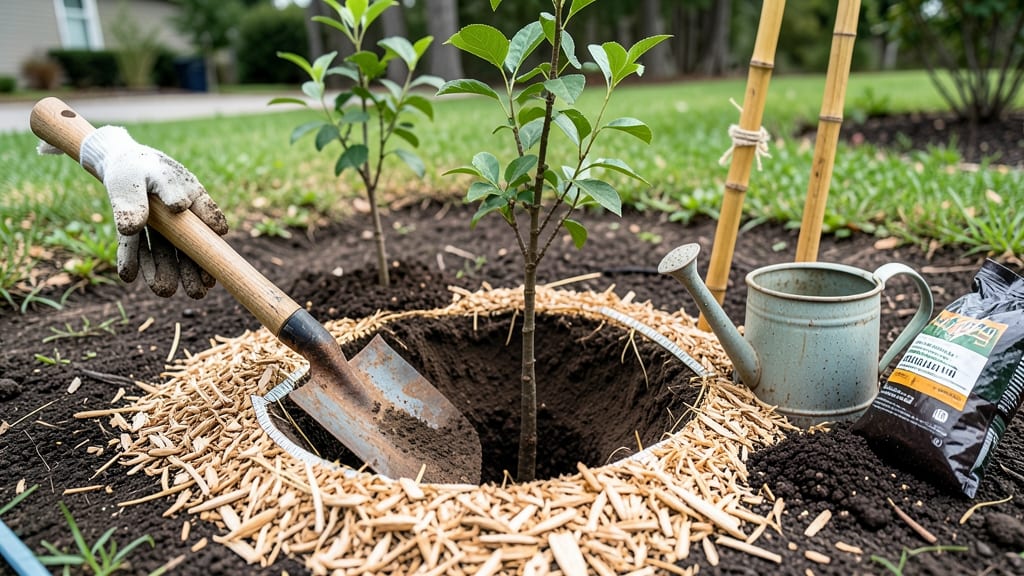
Timing is everything when it comes to planting fruit trees 🍎 in North Texas—get it wrong, and you might end up with a sad, struggling sapling instead of a future harvest.
The region’s unpredictable chill hours and scorching summers demand precision, but most gardeners don’t realize how much difference a few weeks can make.
If you’ve ever watched a neighbor’s peach tree thrive while yours wilts under the Texas sun, you’re not imagining things—it’s likely about when they planted it. Late winter to early spring is your golden window, but even then, factors like soil prep and tree type matter more than you’d think.
In this guide, I’ll break down the exact months to plant each variety (peaches, figs, citrus, and more) and why USDA Zone 8a rules are different from what you’ve heard. You’ll also learn how to avoid the most common mistakes that turn hopeful plantings into costly failures.
Ready to turn your backyard into a productive orchard? Let’s get those roots in the ground at the perfect time for maximum survival and minimum stress.
North Texas chill hours & heat zones: how they determine fruit tree planting timing
North Texas spans USDA Hardiness Zones 7b through 8b, which means our winters can drop below 10°F (-12°C) while summers regularly hit 100°F+ (38°C).
These extremes directly impact when—and which—fruit trees thrive in your yard. Chill hours (the number of hours below 45°F (7°C) during dormancy) are critical: peaches need 300-500 hours, while apples require 800-1,000+ hours. Without enough chill hours, trees may bloom too early and risk frost damage.
Our heat zones (like the USDA Heat Zone Map) also matter. North Texas falls into Heat Zones 6-9, meaning summer heat can stress young trees if planted at the wrong time.
For example, fig trees (low chill requirement) handle our heat better than apples, which need more winter dormancy. Matching your tree’s needs to North Texas’ climate is key to success.
Here’s how chill hours and heat zones work together to dictate planting timing: 1. Late winter (February-March) is ideal for bare-root trees because the ground is workable, and trees are still dormant. This minimizes transplant shock. 2.
Early spring (April) works for container-grown trees, but avoid planting after mid-April—summer heat arrives fast, and young roots struggle to establish. 3. Fall (October-November) is risky unless you’re in Zone 8b (like Dallas), where mild winters allow late planting. Most trees need time to root before winter.
North Texas microclimates add another layer of complexity. Urban areas like Dallas-Fort Worth are 2-3°F warmer than rural spots due to the urban heat island effect. This can push chill hours lower, making low-chill varieties (like figs or pears) better choices. Conversely, hill country regions (e.g., Freestone County) have colder winters and can support higher-chill apples.
Let’s break down how these factors interact for common North Texas fruit trees—because not all trees play well in our climate. For instance, peaches need 400-600 chill hours and suffer if planted in Zone 8b without proper winter protection.
Meanwhile, citrus trees (like meyer lemons) thrive in Zone 8b+ but can’t survive Zone 7b winters without container protection or indoor overwintering.
Understanding your exact chill hours is easier than you think. Use a home weather station or check local Cooperative Extension Service data (like Texas A&M AgriLife). For example, Amarillo (Zone 7b) averages 800+ chill hours, while San Antonio (Zone 8b) gets only 300-400 hours.
This explains why apple trees struggle in San Antonio but thrive in Amarillo.
Now, let’s look at how these chill hour requirements translate into planting windows for your favorite fruit trees. The table below shows which trees suit North Texas and when to plant them to align with our climate quirks.
| Tree Type | Chill Hours Needed | Best Planting Window | North Texas Suitability | Notes |
|---|---|---|---|---|
| Peach | 300-600 | Late Feb - Early March | Zone 7b-8a | Needs winter chill; avoid Zone 8b+ |
| Plum | 200-500 | Feb - April | Zone 7b-8b | Dwarf varieties adapt better to heat |
| Apple | 800-1,000+ | Late Feb - Early March | Zone 7b only | Risky in Zone 8a+; use cold-hardy varieties |
| Pear | 300-600 | Feb - March | Zone 7b-8b | Thrive in heat; low-maintenance |
| Fig | 0-200 | March - April
Best months to plant fruit trees in North Texas by variety (peaches, plums, apples, pears)North Texas’ USDA Zones 7b-8b create a tricky balance—too early and your peach trees face late frosts, while too late risks summer transplant shock. The sweet spot? Late winter to early spring, when soil warms but extreme heat hasn’t arrived. For container-grown trees, you can plant year-round, but avoid June-August when temperatures exceed 95°F. Peaches and plums are the most chill-hour-sensitive varieties in North Texas, needing 300-600 hours below 45°F. Plant them in February—after the average last frost (March 15) but before bud break. Apples and pears, with higher chill requirements (600-900 hours), thrive when planted in late February to early March. Citrus and figs? They’re low-chill exceptions—plant them in March-April when soil temperatures hit 60°F+.📌 Planting Timeline for North Texas Fruit Trees
Pro Tip: Check local frost dates (e.g., Dallas: avg last frost March 15) and adjust by 2-3 weeks for rural areas like Waco or Lubbock.
🌱
Did You Know?
North Texas’ microclimates can shift planting windows by 3+ weeks. Hill Country (e.g., Fredericksburg) stays cooler—plant peaches in early March. Panhandle areas (e.g., Amarillo) can plant 2 weeks earlier due to fewer chill hours. 🌳 |