
Trees
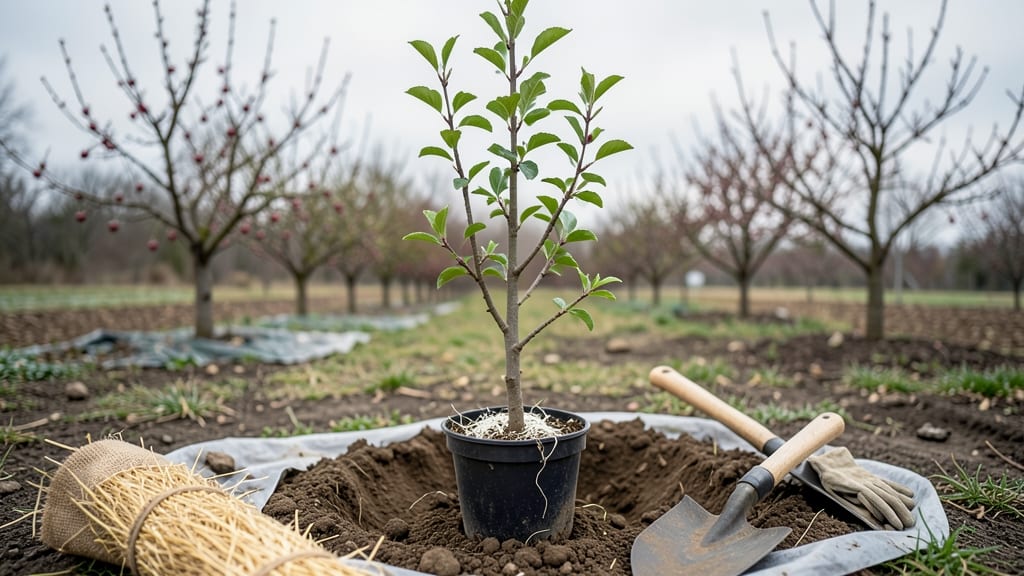
Timing your fruit tree planting in Wisconsin isn't just about the calendar—it’s about matching your 🍎 variety to the region’s critical chill hours. Plant too early, and frost will kill young roots; too late, and trees won’t establish before winter.
The right window means stronger roots, better survival, and sweeter harvests down the road.
Wisconsin’s Zone 5B-6A climate gives you two prime chances to plant: late spring after the last frost or early fall before the first freeze. But getting it wrong can mean struggling with weak growth or even losing your investment.
I’ll break down exactly when to dig in—plus how to pick the best varieties for your specific microclimate.
You might think all fruit trees thrive in Wisconsin, but some need 800+ chill hours while others do fine with just 300. I’ll show you how to match your tree to your zone so it grows strong and produces fruit year after year.
Let’s get those roots in the ground the right way.
From soil prep to frost dates, I’ve got the insider tips Wisconsin gardeners swear by. Whether you’re planting bare-root saplings or container-grown trees, you’ll leave here knowing exactly when to start—and how to set your fruit tree up for success in the Badger State.
Wisconsin fruit tree planting timeline by chill-hour requirements
Wisconsin’s Zone 5B-6A climate demands precise timing for fruit tree planting, especially when matching varieties to their chill-hour needs. Most Wisconsin-grown fruit trees require between 200-1,000 chill hours (below 45°F) to break dormancy.
Planting outside this window risks poor establishment or winter damage. Let’s break down the ideal windows for spring vs. fall planting, including frost-risk warnings unique to Wisconsin’s late-spring freezes.
For spring planting, aim for late April to early June—after the last frost date (typically mid-April to early May) but before buds begin to swell.
This window ensures young roots establish before summer heat arrives. Fall planting, however, offers a longer window: early September to early October, allowing trees to root before winter dormancy. Both timelines depend on soil temperature staying above 40°F for root growth.
Chill-hour mismatches are a common mistake in Wisconsin. For example, planting a 1,000-hour apple variety like ‘Honeycrisp’ (which thrives in Zone 5B-6A) in southern Wisconsin is safe, but a 500-hour variety like ‘Fuji’ may fail to fruit reliably in northern Wisconsin’s cooler microclimates. Always check the chill-hour range of your chosen variety against your specific Wisconsin location.
The summary-table below outlines the best planting windows for Wisconsin’s most popular fruit trees, categorized by chill-hour requirements. It also highlights critical frost-risk periods and dormancy triggers to avoid.
Wisconsin Fruit Tree Planting by Chill-Hour Requirements
| Variety | Chill Hours | Spring Planting Window | Fall Planting Window | Frost Risk Period | Dormancy Trigger |
|---|---|---|---|---|---|
| Apple (Honeycrisp) | 800-1,000 | Late April - Early May | Early September - Mid-October | Late May - Early June | Bud swell (late April) |
| Cherry (Montmorency) | 600-800 | Early May - Mid-May | Mid-September - Early October | Mid-May - Late May | Pink bud stage (late April) |
| Pear (Bartlett) | 400-600 | Mid-April - Early May | Late August - Early September | Early May - Mid-May | Green tip emergence (early April) |
| Plum (Stanley) | 300-500 | Late April - Early May | Early September - Mid-September | Late April - Early May | Swollen bud stage (late March) |
| Peach (Redhaven) | 500-700 | Early May - Mid-May | Mid-September - Early October | Mid-May - Late May | Silver tip stage (late April) |
Note: Adjust planting dates 1-2 weeks earlier for southern Wisconsin (Zone 6A) and later for northern Wisconsin (Zone 5B).
Wisconsin’s late-spring freezes (common in May) can devastate newly planted trees if they’re not hardened off. For example, planting peaches or plums too early risks frost damage to emerging buds.
To mitigate this, monitor local National Weather Service forecasts and avoid planting until 3 weeks after the last frost date. In northern Wisconsin, this may extend planting into early June.
For fall planting, prioritize varieties with higher chill-hour requirements (e.g., 800+ hours) like apples and cherries. These trees benefit from fall’s cooler soil temperatures, which encourage root growth before winter dormancy.
However, avoid planting after early October, as roots may not harden before first frost (typically mid-October to early November).
Soil temperature is just as critical as air temperature. Use a soil thermometer to confirm soil is above 40°F at a 6-inch depth
Critical mistakes to avoid when planting in Wisconsin’s unpredictable spring
Wisconsin’s late spring frosts can turn your newly planted fruit trees into sad, brown sticks if you’re not careful. The biggest mistake? Planting too early when bud break is still weeks away.
Young roots need stable soil temperatures (above 40°F) to grow, but frost can still linger until mid-May in many areas.
Another common error is ignoring soil temperature—just because the air feels warm doesn’t mean the ground is ready. Use a soil thermometer to confirm it’s consistently above 50°F at 4 inches deep before planting. Cold soil slows root development and invites root rot.
Wisconsin’s April-May frosts can kill emerging buds. Check your local frost-free date (usually May 15 in southern WI, June 1 in northern WI) and wait 2-3 weeks after the last frost before planting bare-root trees.
Choosing the wrong fruit tree variety is another silent killer. Some trees need 800+ chill hours, while others thrive with just 400-500. Wisconsin’s Zone 5B-6A averages 600-800 chill hours, so pick varieties like ‘Honeycrisp’ apples or ‘Montmorency’ cherries—they’re bred for our climate.
Overlooking pollination needs can mean no fruit next year. Many apple and pear trees require a second tree for cross-pollination. Check the tag—some varieties are self-fruitful, but most aren’t. Plant a compatible partner within 50 feet to ensure success.
Finally, skipping soil prep sets your tree up for failure. Wisconsin’s clay-heavy soils drain poorly, so amend with compost or sand to improve aeration. A 6-inch layer of mulch (wood chips or straw) keeps roots cool in summer and insulated in winter.
By avoiding these spring planting pitfalls, your fruit trees will establish strong roots before Wisconsin’s first frost—setting you up for years of bountiful harvests. 🌳