
Lawn
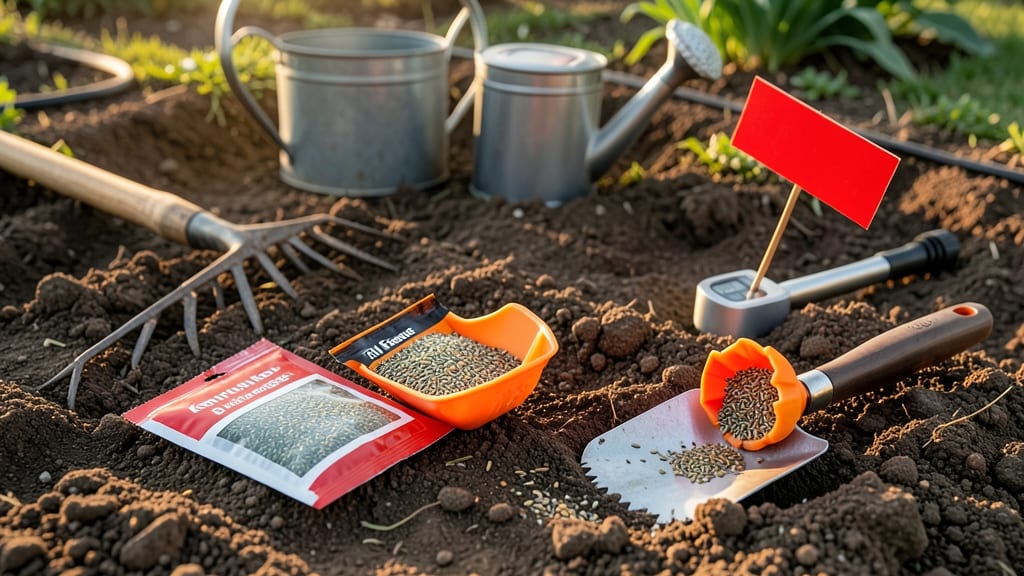
If you’ve ever stared at a bag of grass seed wondering "when can I plant grass seed in Ohio"—only to second-guess yourself because the weather forecast changes daily—you’re not alone.
Ohio’s 6a climate throws a curveball with its unpredictable springs, where frost can linger one week and vanish the next. But here’s the good news: timing isn’t just about guessing dates—it’s about reading your soil and grass type like a pro.
Most Ohio gardeners swear by planting 4-6 weeks before the last frost (typically mid-April), but that’s just the starting line. Cool-season grasses like Kentucky bluegrass thrive when soil hits 50°F, while warm-season varieties like Bermuda grass need to wait until 70°F+.
Skipping this step means risking slow germination or even total failure—especially in Ohio’s humid summers or sudden fall freezes.
What if you plant too early and face frost? Or too late and miss the sweet spot for root growth? I’ll break down the exact windows for your region—whether you’re in southern Ohio’s milder zones or northern areas where frost clings longer.
Plus, I’ll share my team’s pro tips for prepping soil, watering schedules, and protecting young shoots from Ohio’s infamous late-spring cold snaps.
By the end, you’ll know not just when to plant, but how to set your grass up for success—so you’re mowing a lush lawn by summer, not patching bare spots. Let’s get those seeds in the ground the right way.
Ohio’s exact last frost dates by region: when to plant cool-season vs. warm-season grass
Ohio’s diverse climate means last frost dates can vary by 500+ miles—from March 20 in southern Ohio to April 30 in the northern USDA Zone 5b areas. This variation directly impacts when you should plant cool-season grasses like Kentucky bluegrass or warm-season grasses like Bermuda grass.
Let’s break it down by region so you can plant with confidence.
Most Ohio gardeners focus on cool-season grasses (ideal for spring/fall planting), but warm-season varieties thrive when planted in late spring/early summer. The key is aligning your planting window with soil temperatures and frost-free periods.
For example, tall fescue (a cool-season favorite) needs 4-6 weeks before the last frost, while Bermuda grass (warm-season) should wait until soil hits 70°F+.
Here’s the region-by-region breakdown of Ohio’s frost dates and optimal planting windows for both grass types. Use this to schedule your planting 4-8 weeks in advance—proper timing can mean the difference between 90% germination and patchy, weak growth.
🌱
Notice how southern Ohio (like Cincinnati) has earlier frost dates—this means you can plant cool-season grass as early as late February, while northern Ohio (like Cleveland) should wait until mid-March. For warm-season grasses, the soil temperature is the real deciding factor, not the calendar date.
Pro tip: If you’re planting in fall, aim for 6-8 weeks before the first frost (typically September 15–October 15). This gives cool-season grasses time to establish roots before winter dormancy. Bermuda grass, however, should never be planted in fall—it’s strictly a spring/summer grass.
For microclimates (like urban heat islands or shaded yards), adjust your planting window by 1-2 weeks. Urban areas often warm up faster, while shaded spots may need a later start to avoid fungal issues.
Always check your local Almanac frost dates or use a soil thermometer to confirm conditions.
🌿
One common mistake I see is planting cool-season grass too late in spring, only to have it bolt (send up seed stalks) before establishing a strong root system. Conversely, planting warm-season grass too early risks frost damage or slow germination.
The 4-6 week buffer before last frost (or after first frost for fall) is your safety net.
If you’re still unsure, test your soil temperature with a $10 thermometer from your local garden center. Cool-season grasses need
Soil temperature and grass seed germination: the hidden factor most gardeners miss
Ohio’s spring soil warms unevenly, making soil temperature the secret weapon for successful grass seed germination. While you might check the calendar, your seeds are silently judging the ground’s warmth—or lack thereof. Cool-season grasses like Kentucky bluegrass need soil at 50–65°F, while warm-season Bermuda grass thrives at 70–90°F.
Planting too early when soil is cold stalls growth, while waiting too long risks summer drought stress.
I’ve learned the hard way that a soil thermometer is your best friend—rent one from a local garden center if you don’t own one. Stick it 2 inches deep (where seeds germinate) and check daily. Morning readings are most accurate because afternoon heat can skew results.
For Ohio’s USDA Zone 6a, aim for consistent 55°F+ soil before seeding cool-season grass in spring.
Here’s the kicker: Ohio’s Northwest region (like Toledo) often hits ideal soil temps 2–3 weeks later than Southeast Ohio (like Athens). That’s why I always test my own yard—neighbor’s advice won’t cut it. Pro tip: If your soil feels cool to the touch (like a chilled soda can), wait.
Patience now means thicker grass later.
| Grass Type | Ideal Soil Temp (°F) | Ohio Planting Window | Germination Time |
|---|---|---|---|
| Kentucky Bluegrass | 50–65°F | Early April–Mid-May | 7–21 days |
| Tall Fescue | 55–70°F | Late March–Early June | 10–14 days |
| Bermuda Grass | 70–90°F | Late May–June | 5–10 days |
Ohio’s summer heat waves can also throw a wrench in your plans. If your soil hits 80°F+ before warm-season grass is planted, germination slows dramatically.
I once planted Bermuda grass in early June when temps spiked to 88°F—my germination rate dropped by 40%. Solution: Use a lightweight row cover to shield seeds until soil cools slightly in the evening.
Don’t overlook fall planting either. Soil stays warm longer in September/October, giving cool-season grasses a second chance to establish roots before winter. Aim for 6–8 weeks before first frost (typically late September in most of Ohio).
This lets grass grow 3–4 inches tall before dormancy, so it’s hardier in spring.
Remember: Consistency is key. Check soil temps for 3 consecutive days before planting—one warm day doesn’t mean it’s time. And if your yard has shady spots, soil stays cooler longer.
Test those areas separately! With the right timing, you’ll have lush grass in 30 days instead of patchy, struggling shoots.