
Plants
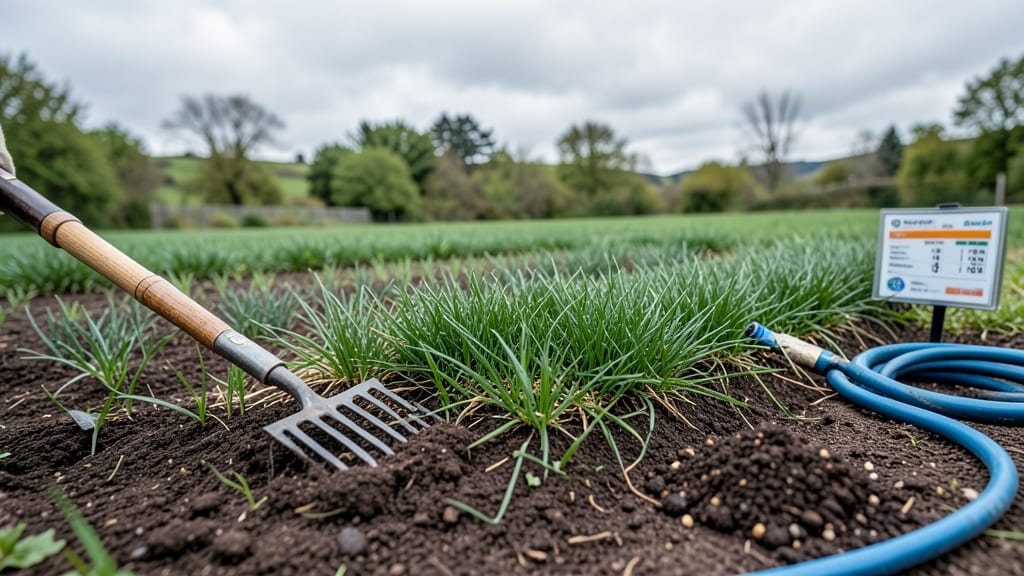
Timing your grass planting just right in spring is the key to a lush, healthy lawn—or a costly mistake. Plant too early, and frost can wipe out your efforts; wait too long, and summer heat may stunt growth before it even starts.
The perfect window depends on more than just the calendar—soil temperature, frost dates, and even your local climate all play a role.
For most regions, like Zone 6a, the ideal time to plant grass is 4-6 weeks before your last frost date, typically between mid-March and early April.
But here’s the catch: your soil needs to be warm enough—55-65°F—to encourage germination, not just frost-free. That’s why blindly following a planting chart can backfire.
I’ll break down exactly how to calculate your frost-free window, test soil readiness, and choose the right grass seed for your climate. Whether you’re prepping for early spring or adjusting for late planting, these steps will help you avoid the most common pitfalls and set your lawn up for success.
Ready to stop guessing and start growing? Let’s dive into the science—and the simple tools—you need to plant grass at the perfect moment this spring.
Optimal soil temperature & frost-free window for spring grass planting
Timing is everything when planting grass in spring. The perfect window balances soil warmth and frost risk, ensuring your new lawn thrives. Grass seeds need consistent soil temperatures between 50-65°F to germinate properly—too cold, and growth stalls; too hot, and seeds dry out.
Let’s break down the science-backed timing for your region.
First, check your USDA hardiness zone to estimate your local last frost date. In Zone 6a (like much of the Midwest), the average last frost falls around April 15, but this shifts earlier in the South and later in the North.
Planting 4-6 weeks before your last frost date gives seeds time to establish roots before summer heat arrives.
Soil temperature is your best indicator of readiness. Use a soil thermometer to monitor depth—ideal temps are 55-65°F at 4 inches deep. In colder climates (Zones 3-5), aim for late April to early May, while warmer zones (Zones 7-10) can start as early as February or March. Northern regions risk frost damage if planted too soon.
| Region | USDA Zone | Ideal Planting Window | Soil Temp (°F) | Notes |
|---|---|---|---|---|
| Northern (e.g., Midwest) | Zones 3-5 | Late April–Early May | 55–65°F | Wait for consistent warmth; frost risk high before April. |
| Southern (e.g., Southeast) | Zones 7-10 | February–March | 60–70°F | Plant early to avoid summer heat stress. |
| Mountainous (e.g., Rockies) | Zones 4-6 | May–June | 50–60°F | Cooler nights delay planting; prioritize soil warmth. |
| Pacific Northwest | Zones 6-8 | March–April | 55–65°F | Mild winters allow earlier planting; watch for late frosts. |
If you’re unsure about your last frost date, check the National Weather Service or local cooperative extension service for your area.
For example, in Zone 5, planting in late April ensures seeds germinate before summer heat, while Zone 8 lawns can start as early as February if soil is warm enough. Always prioritize soil temperature over calendar dates—seeds won’t germinate in cold soil, no matter how early you plant.
Another key factor is daylength. Grass planted in early spring benefits from increasing daylight, which boosts photosynthesis and growth. However, if you wait until late spring (May or June), your lawn may struggle to establish before summer drought sets in.
Balance is critical: plant too early, and frost kills tender shoots; too late, and your lawn enters summer stressed and weak.
For cool-season grasses (like Kentucky bluegrass or fescue), the ideal window is 4-6 weeks before your last frost.
These grasses thrive in cooler temps and can handle light frost once established. Warm-season grasses (like Bermuda or Zoysia) prefer soil temps above 65°F and are better planted in late spring to early summer—we’ll cover these in detail later.
Pro tip: If you’re in a transition zone (like Zone 7), split your planting into two batches. Sow half in early spring (for cool-season grasses) and half in late spring (for warm-season types).
This hedges your bets against unpredictable weather. Always monitor your lawn’s progress—if you see yellowing or stunted growth, it’s a sign to adjust watering or wait for warmer soil.
Remember, soil preparation is just as important as timing. Loosen compacted soil, remove weeds, and add compost before planting to create an ideal environment. Once your seeds are in the ground, consistent moisture is key—water lightly but frequently until germination (usually 7-14
Optimal soil temperature & frost-free window for spring grass planting
Timing your grass planting correctly in spring is all about balancing soil warmth and avoiding late frosts. Grass seeds need soil temperatures between 50-65°F to germinate properly, but planting too early risks frost damage.
The ideal window is typically 4-6 weeks after your last expected frost date, but this varies by region.
For most of the U.S., this means late March to early May in the North and February to April in the South. However, USDA hardiness zones play a critical role—Zone 5 gardeners should wait until mid-April, while Zone 8 can plant as early as February.
Always check your local frost-free date from the National Weather Service.
🌱Pro Tip: Use a soil thermometer (inserted 2-3 inches deep) to confirm warmth. If it reads below 55°F, wait another week. Grass seeds won’t germinate in cold soil, no matter how eager you are!
🌡️ Spring Grass Planting Timeline by Region
| Region | USDA Zone | Ideal Planting Window | Soil Temp Goal |
|---|---|---|---|
| Northern U.S. (MN, NY, PA) | 3-5 | Late April - Early May | 55-65°F |
| Midwest (IL, OH, MO) | 5-7 | Early April - Mid-May | 50-60°F |
| Southern U.S. (TX, FL, GA) | 8-10 | February - March | 60-70°F |
| Pacific Northwest (WA, OR) | 6-8 | March - Early April | 50-60°F |
⚠️ Warning: Planting too early (before soil warms) causes seed rot. Waiting too long (after May) risks weed competition.
If you're in a transition zone (like Zone 7), split your planting into two batches: half in early April and half in late May. This hedge against unpredictable weather. For warm-season grasses (like Bermuda or Zoysia), wait until after Memorial Day—they need soil temps above 65°F to thrive.
🌿Regional Exception: In drought-prone areas (e.g., Arizona, California), plant in early fall instead of spring to avoid summer heat stress. But for most of the U.S., spring is the golden window for lush, weed-free lawns.
Once you've nailed the timing, the next step is soil prep. Loosen the top 4-6 inches of soil, remove debris, and level the area—this ensures even seed-to-soil contact, which is critical for germination. Don't skip this step or you'll end up with patchy, weak grass.